Discover the benefits of biostimulants in European agricultural services and improve your production. Contact us for more information and advice!
Introduction
Today, the use of biostimulants in European agriculture has become an essential practice for improving crop productivity and sustainability. These natural products are developed from plant extracts, microorganisms and bioactive compounds, and are designed to enhance plant growth and health. In this article, we will explore the benefits of biostimulants in European agricultural services and how they can contribute to a more sustainable agricultural future.
Improved Nutrient Efficiency
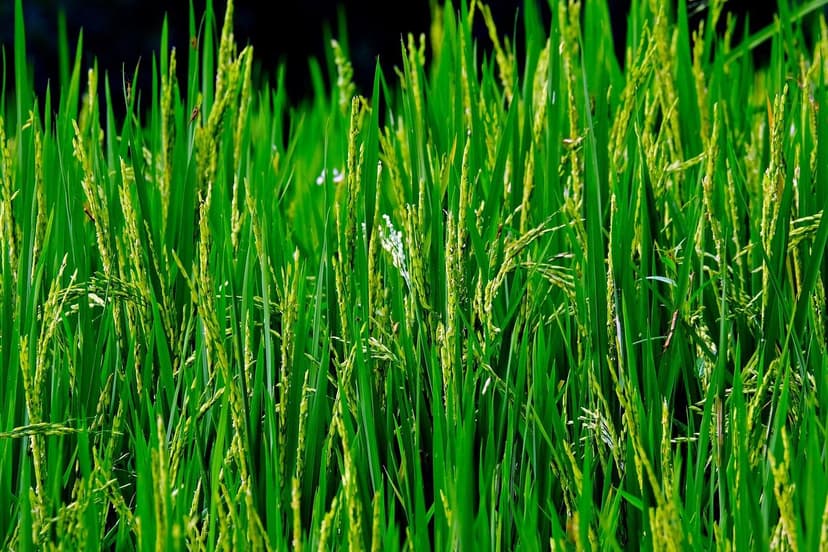
One of the main benefits of biostimulants is their ability to improve the nutrient efficiency of crops. These products work by facilitating the uptake of essential nutrients in the soil, which results in more effective use of fertilizers. The application of biostimulants can favour the availability of nutrients such as nitrogen, phosphorus and potassium, a crucial aspect for optimal plant development, although the result depends on the dose, the timing of application, the soil type and the crop conditions.
Biochemical Mechanisms of Action
Biostimulants act through various biochemical mechanisms. For example, many of them promote the activity of beneficial microorganisms in the soil that facilitate the mineralisation of nutrients. In addition, biostimulants can activate cell signalling pathways in plants, which in turn improves nutrient uptake through the creation of new roots and the expansion of the root system, an effect that depends on the dose, the timing of application and the physiological state of the crop.
Practical Examples in the Field
In addition, biostimulants can help improve crop quality.
Impact of Soil Microbiology
Biostimulants also influence soil microbiology, creating a more favourable environment for the development of healthy plants. The introduction of beneficial microorganisms, such as phosphorus-solubilising bacteria, can increase the availability of this critical nutrient. This is particularly relevant in soils with high phosphorus fixation, where the availability of this nutrient is limited.
Interaction with Chemical Fertilization
This suggests that biostimulants can act synergistically with fertilizers, allowing farmers to reduce the amount of chemical inputs required.
Increased Stress Tolerance
Biostimulants also play a fundamental role in increasing stress tolerance in plants. Adverse conditions, such as droughts, extreme temperatures and diseases, can severely affect crop yields. However, the use of biostimulants can improve the resistance of plants to these stress factors.
Production of Secondary Metabolites
For example, some studies have indicated that biostimulants can increase the production of secondary metabolites in plants, which act as defence mechanisms against pathogens and adverse environmental conditions. This increase in the production of secondary metabolites not only protects the plants, but can also result in higher quality of the harvested products, since many of these compounds are valued for their antioxidant properties and benefits for human health.
Success Stories under Stress Conditions
Under drought conditions, the application of biostimulants based on vermicompost extracts improves water retention in the soil and helps the plant to cope with water stress.
Improved Response to Biotic Stress
This is attributed to the activation of the plants' natural defences, which manifests itself in increased production of phenolic compounds and other metabolites that act as barriers against pathogens.
Crop Quality and Sustainability
Crop quality is another key aspect in which biostimulants can make a significant difference. By improving nutrient efficiency and stress resistance, these products contribute to the production of higher-quality crops. This is especially relevant for growers seeking to meet the demands of the European food market, which increasingly values the quality and sustainability of agricultural products.
Improvement of Organoleptic Properties
Biostimulants not only affect quantitative yields, but also improve the organoleptic properties of crops.
Impact on Agricultural Sustainability
In addition, the use of biostimulants in agriculture promotes more sustainable practices by reducing dependence on chemical inputs. This not only benefits the environment, but also improves growers' profitability by lowering the costs associated with fertilizers and chemical treatments.
Examples of Sustainable Implementation
In organic farming, biostimulants are particularly useful. This type of implementation is not only beneficial for the grower, but also contributes to the health of the agricultural ecosystem.
Reduction of the Carbon Footprint
The use of biostimulants can also contribute to reducing the carbon footprint associated with agricultural production. By optimising nutrient use and improving soil health, biostimulants can reduce the need for frequent applications of chemical fertilizers, which in turn reduces greenhouse gas emissions.
Conservation of Water Resources
Water use efficiency is another critical aspect of sustainable agriculture. Biostimulants can help improve the soil's water retention capacity, which is essential in regions prone to drought. This is not only beneficial for crop production, but also contributes to the conservation of water resources in vulnerable agricultural areas.
Research and Development of New Biostimulants
Research in the field of biostimulants is constantly evolving, and new products are being developed that promise to further improve their effects on crops. One of the most prominent approaches is biotechnology, which allows the creation of biostimulants from specific microorganisms that can interact synergistically with plants. For example, strains of bacteria of the genus Rhizobium have been isolated that not only fix nitrogen, but also produce hormones that stimulate root growth. These advances give growers more effective tools at their disposal to optimise agricultural production.
Education and Training for Growers
The successful implementation of biostimulants in agriculture also depends on the education and training of growers. It is essential that producers understand how and when to apply these products to maximise their benefits. Training programmes that include practical demonstrations and case studies are useful, as they allow application to be adjusted to crop and soil conditions. Continuous education in this field is key to encouraging the adoption of more sustainable agricultural practices.
Conclusion
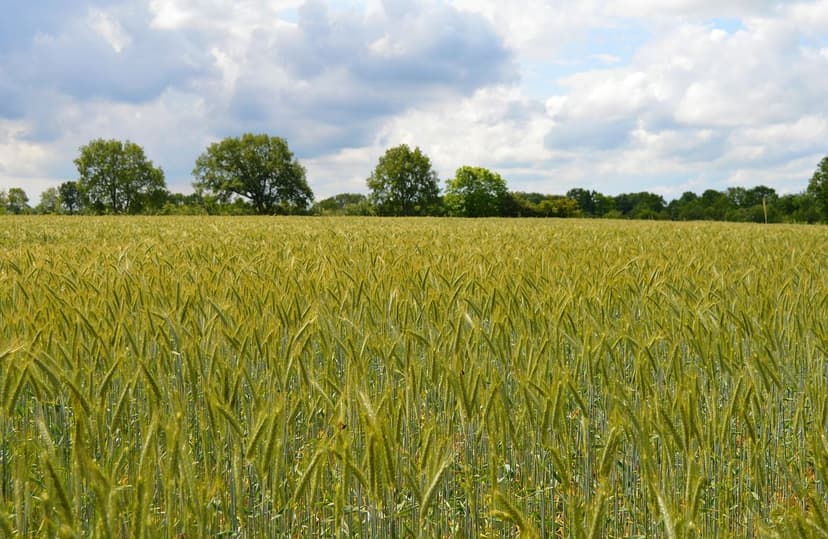
Biostimulants offer a wide range of benefits in European agriculture, from improved nutrient efficiency to increased stress tolerance and improved crop quality. As the agricultural sector continues to face challenges such as climate change and the growing demand for sustainable products, biostimulants are emerging as a viable solution to promote more sustainable and profitable agriculture. Their adoption not only benefits growers but also contributes to a healthier and more balanced food system for future generations. As research advances, new biostimulants with even more effective properties are expected to be developed, which will enable European growers to adapt better to the challenges of the future.
Related articles
Do you need professional help?
At Ecoganic in Spain, Europe, we offer advanced agricultural solutions, organic fertilizers. Call us: +34 623 753 719.
Innovations and lines of work in biostimulants
Research and development in the field of biostimulants is exploring new product lines. Advances in biotechnology make it possible to envisage biostimulants that are better adapted to the needs of each crop and each environmental condition. For example, some developments with plant extracts are being proposed for high-value crops, such as citrus and vegetables, with the aim of better adjusting their composition and their timing of use. Even so, it is worth remembering that the promise of an innovation is only confirmed when it is tested under the conditions of each holding.
Microalgae-Based Biostimulants
Another line of interest is microalgae-based biostimulants. These microscopic aquatic organisms contain nutrients and bioactive compounds that can contribute to the overall vigour of the crop and to soil biological activity. In extensive crops such as rice and maize, possible applications are being explored, but the results depend on the crop, the soil, the climate and the formulation, so they should not be taken for granted. Their possible contribution to soil quality and microbial diversity is an aspect of interest for agricultural sustainability, and a sensible way to verify it is to record the evolution of plots with and without treatment over several seasons.
Integration of Precision Technology
The integration of precision technologies, such as sensors and drones, can change the way biostimulants are applied. Growers can use these tools to monitor crop status and apply the product more precisely and in a more targeted way, which can help to optimise input use and reduce environmental impact. In crops such as maize, targeted application can reduce product waste, provided the equipment is well calibrated and the conditions of use stated on the label and the regulations governing application are respected. An investment in technology is only justified if its result is measured, comparing product consumption and crop response before and after adopting it.
Development of Controlled-Release Biostimulants
Research is also moving towards controlled-release biostimulants, designed so that nutrients and bioactive compounds reach the soil gradually. The idea is that the crop has access to them more continuously and, in principle, that the applied nutrition is used better and the risk of losses through runoff and of environmental contamination is reduced. However, actual release depends on the formulation, temperature, soil moisture and the type of crop, so it is advisable to ask the manufacturer for information on how the product behaves under conditions similar to one's own and not to expect it to replace a good fertilization plan.
Collaboration between the Public and Private Sectors
Collaboration between research institutions, universities and private-sector companies is essential to drive innovation in biostimulants. Collaborative projects, in which researchers and growers work together to test and develop new formulations, are a valuable route for products to respond to the changing needs of the agricultural sector. The creation of research consortia also facilitates the exchange of knowledge and the dissemination of good practices among growers, and makes it possible to compare results under different conditions before recommending them generally.
Regulations and Rules in the Biostimulant Industry
Plant biostimulants already have their own regulatory framework in the European Union: Regulation (EU) 2019/1009, applicable since July 2022, regulates them within fertilising products and sets requirements for their placing on the market, including safety requirements and the requirement that the product have the effects it declares. That framework does not replace the grower's own judgement: in practice, it can be relied on by asking the supplier for the documentation proving what the product declares and under what conditions it can be used, and by being wary of labels or commercial messages that promise results the documentation does not support.
Related articles
- Advanced agricultural solutions
- Biostimulants vs Fertilizers: Differences and Advantages
- Biostimulant Regulation in Europe: Changes for Growers
What are biostimulants?
Biostimulants are natural products used in agriculture to improve plant growth and health, increasing their nutrient use efficiency and their tolerance to stress.
How are biostimulants applied?
Biostimulants can be applied through irrigation, foliar spraying or mixed with fertilizers, depending on the type of crop and the manufacturer's recommendations.
Are biostimulants safe for the environment?
Yes, biostimulants are designed to be sustainable solutions that minimise environmental impact and promote responsible agricultural practices.
What are the economic benefits of using biostimulants?
The use of biostimulants can reduce the need for chemical fertilizers, improve crop quality and increase the overall profitability of agricultural production.