

Explore the benefits of biostimulants on olive oil quality. Improve production with Ecoganic. Contact us for more information!
Introduction
Olive oil production is one of the most relevant agricultural activities in Europe, especially in Spain, where the quality of the final product is essential. In this context, biostimulants have become key tools to improve both productivity and olive oil quality. This article explores the benefits of biostimulants on olive oil quality, analyzing their impact on olive cultivation and the implications for farmers.
Impact of Biostimulants on Olive Cultivation

Biostimulants are compounds that, when applied to crops, stimulate physiological processes that improve growth and productivity. In olive cultivation, biostimulants have been shown to:
- Stimulate root growth: By improving microbial activity in the soil, biostimulants promote a more robust root system, allowing better absorption of nutrients and water.
- Increase stress tolerance: Biostimulants help plants adapt to adverse conditions, such as drought or extreme temperatures, improving their resistance and overall health.
- Improve photosynthesis: Some biostimulants can increase photosynthetic efficiency, resulting in more vigorous growth and optimal fruit development.
Mechanisms of Action of Biostimulants
Biostimulants act through various biochemical and physiological mechanisms. For example, some contain auxins, cytokinins, and gibberellins, which are plant hormones that regulate growth. These hormones can increase cell division and cell elongation, resulting in a more extensive root system and greater nutrient uptake capacity. Additionally, biostimulants can enhance the activity of beneficial soil microorganisms, such as mycorrhizae, which in turn facilitate the absorption of phosphorus and other essential nutrients.
A study published in the "Journal of Agricultural and Food Chemistry" indicates that the application of amino acid-based biostimulants can increase the activity of the acid phosphatase enzyme by 25%, improving phosphorus availability in the soil and, consequently, plant nutrition. This type of interaction is crucial for developing an efficient root system and for optimal utilization of soil nutrients.
Field Studies on Biostimulants in Olive Trees
Recent research has demonstrated the positive impact of biostimulants on olive tree production. A study conducted in Andalusia showed that the application of a seaweed extract-based biostimulant increased root biomass by 30% and improved olive production by 20% compared to untreated controls. Another study in Italy demonstrated that the use of an amino acid-based biostimulant increased oil content by 15% compared to the control.
Furthermore, an experiment carried out in an olive grove in the Murcia region revealed that the application of a chitosan-based biostimulant increased disease resistance, reducing the incidence of powdery mildew by 40%. This effect is particularly relevant in a context where foliar diseases can drastically affect oil production and quality.
Interaction with Soil Microorganisms
Biostimulants also facilitate interaction with soil microorganisms, which is fundamental for olive grove health. It has been shown that certain biostimulants promote the growth of beneficial bacteria such as Pseudomonas and Bacillus, which contribute to nutrient solubilization and the production of metabolites that improve soil health. A study in an olive grove in Seville showed that inoculation with a biostimulant containing these bacteria increased microbial diversity by 50%, which translated into a 20% increase in nitrogen uptake by the plants.
Reduction of Water Stress
The application of biostimulants can be especially useful under water stress conditions. A trial conducted in an olive grove in Granada showed that the application of a biostimulant based on algae extracts reduced water loss by 30% during drought periods. This effect is attributed to the ability of biostimulants to increase the activity of aquaporins, proteins that facilitate water transport across cell membranes, helping plants maintain their turgor and functionality under adverse conditions.
Improvement in Olive Oil Quality
Olive oil quality depends not only on the olive variety and climatic conditions but also on agronomic management practices. Biostimulants play a crucial role in this aspect by:
- Increasing the content of phenolic compounds: These compounds are responsible for the oil's antioxidant properties and characteristic flavor. Studies show that the use of biostimulants can significantly increase the levels of these compounds.
- Improving organoleptic quality: By influencing the fatty acid profile and other oil components, biostimulants can contribute to better flavor, aroma, and color of olive oil.
- Reducing acidity: Proper application of biostimulants can help maintain oil acidity at optimal levels, which is a key quality indicator.
Influence on Phenolic Compound Content
Phenolic compounds, such as oleocanthal and oleacein, are responsible for the health properties and flavor of olive oil. A study published in the journal "Food Chemistry" found that the application of biostimulants based on plant extracts increased the content of phenolic compounds by 40% compared to untreated olive groves. This increase not only improves oil quality but also contributes to its oxidative stability, extending its shelf life.
Furthermore, another study conducted in an olive grove in Granada demonstrated that the use of a biostimulant based on rosemary extract increased the rosmarinic acid content in olives, resulting in improved flavor and antioxidant properties of the obtained oil. The increase in phenolic compounds correlated with a 30% reduction in oil oxidation, which is vital for maintaining quality during storage.
Improvement of Fatty Acid Profile
The fatty acid profile of olive oil is crucial for its nutritional quality. Biostimulants can influence fatty acid synthesis, favoring the production of monounsaturated fatty acids, such as oleic acid, and reducing saturated fatty acids. A study conducted in an olive grove in Jaén showed that the application of a specific biostimulant increased oleic acid content by 10%, thereby improving the nutritional profile of the oil.
Another study in an olive grove in Córdoba showed that combining biostimulants with sustainable management practices, such as reducing synthetic fertilizers, improved omega-3 content by 15%. This type of modification in the fatty acid profile is not only beneficial for human health but can also increase the commercial value of olive oil.
Oxidative Stability of the Oil
Oxidative stability is a critical factor in olive oil quality, as it determines its shelf life and organoleptic properties. The application of biostimulants can improve this stability by increasing the concentration of natural antioxidants in the oil. A study conducted in an olive grove in Málaga demonstrated that the application of a biostimulant based on citrus extracts increased the oxidative stability of the oil by 25%, resulting in a longer shelf life and reduced rancidity. These results are especially important for producers seeking to market high-quality oils in international markets.
Application of Biostimulants in Olive Groves
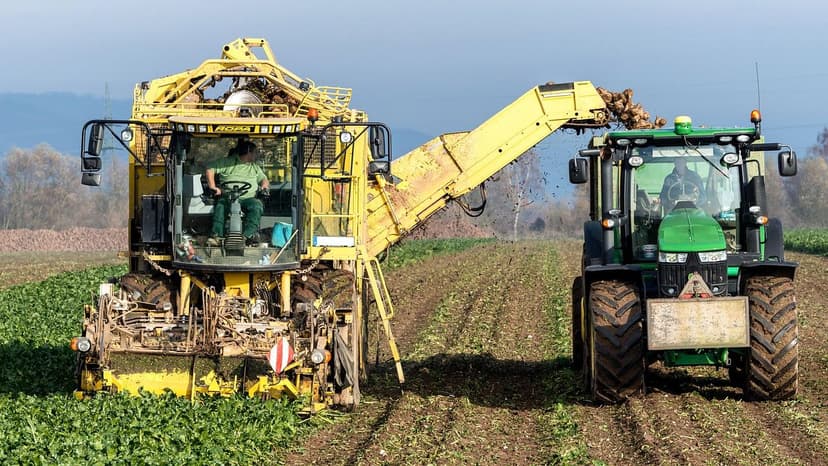
The application of biostimulants in olive crops must be carried out strategically to maximize their benefits. Some aspects to consider include:
- Timing of application: It is crucial to apply biostimulants at key stages of the olive tree's vegetative cycle, such as during flowering or fruit development, to ensure a positive impact on oil quality.
- Recommended doses: Following dosage recommendations is essential to avoid adverse effects and ensure product efficacy.
- Combination with other agronomic practices: Integrating the use of biostimulants with sustainable practices, such as proper fertilization and irrigation management, can enhance results in oil quality.
Field Application Protocols
To maximize the benefits of biostimulants, it is recommended to follow a specific application protocol. For example, during the flowering stage, applying an amino acid-based biostimulant can improve fruit set, potentially increasing yield. During the ripening stage, using biostimulants based on seaweed extracts can help increase oil accumulation in olives. A case study in an olive grove in Córdoba showed that applying biostimulants at these critical times resulted in a 25% increase in oil production.
Another successful protocol has been observed in the Toledo region, where farmers applied a hydrolyzed protein-based biostimulant just before harvest. This treatment not only improved yield by 18% but also enhanced oil stability, reducing peroxide formation by 35% during storage. These results highlight the importance of timely and specific management of biostimulants in olive groves.
Interaction with Agronomic Management
The combination of biostimulants with proper agronomic management is essential to optimize results. For example, in an experiment where biostimulants were combined with drip irrigation, an increase in water use efficiency was observed, reducing the required irrigation by 15% while maintaining high levels of production and quality. These interactions are key to sustainable agriculture, allowing farmers to maximize production while minimizing resource use and environmental impact.
Furthermore, implementing conservation farming practices, such as using cover crops and crop rotation, together with the application of biostimulants, has proven effective in improving soil health and biodiversity. A study in an olive grove in Almería found that these practices, combined with biostimulants, resulted in a 20% increase in soil microbial diversity, which in turn improved nutrient availability for plants.
Success Stories in Biostimulant Application
There are numerous examples of farmers who have successfully implemented biostimulants in their olive groves. A notable case is that of a producer in the province of Cádiz who, by using a seaweed extract-based biostimulant, managed to increase his oil production by 30% in one season. This producer applied the biostimulant at the start of flowering and again during the ripening stage, resulting in higher quality and stability of the oil. Another example comes from an olive grove in the Murcia region, where the combination of biostimulants with conservation agriculture practices led to a 25% increase in oil quality, measured through acidity parameters and phenolic compound profile.
Related Articles
Need Professional Help?
At Ecoganic in Spain, Europe, we offer certified Biostimulants and Organic Fertilizers. Call us: +34 623 753 719.
Conclusions and Recommendations
Biostimulants represent an innovative and sustainable solution for improving the quality of olive oil. Through the optimization of agricultural practices and proper management, producers can obtain higher quality olive oils that meet the demands of today's market. For optimal results, it is essential to work with high-quality products and follow application recommendations.
Final Recommendations for Producers
1. **Assess Soil Conditions:** Before applying biostimulants, it is advisable to conduct a soil analysis to understand its characteristics and needs. This will help select the most suitable biostimulant.
2. **Monitor Plant Status:** Continuously tracking plant health and their response to biostimulants is crucial to adjust applications and maximize benefits.
3. **Agricultural Training:** Attending workshops and seminars on the use of biostimulants can provide farmers with the necessary tools to implement more effective practices in their olive groves.
4. **Document Results:** Keeping a record of applications and results obtained will allow producers to evaluate the effectiveness of biostimulants and make informed adjustments in the future.
5. **Incorporate Technology:** Using technological tools such as soil moisture sensors and nutrient monitoring can help optimize biostimulant application, adjusting doses and timing to the specific needs of the crops.
6. **Promote Local Research:** Participating in research and development projects on biostimulants can provide producers with a competitive advantage, allowing them to stay at the forefront of adopting new practices and technologies that improve olive oil quality.
The Importance of Sustainability in the Use of Biostimulants
Sustainability is a key aspect of modern agriculture. The application of biostimulants not only improves productivity but also reduces dependence on synthetic chemical inputs. For example, in a study conducted in an olive grove in Badajoz, it was observed that the use of biostimulants allowed for a 25% reduction in nitrogen fertilizer doses while maintaining optimal yields. This not only lowers production costs but also minimizes the environmental impact associated with conventional agriculture.
Future Perspectives for the Use of Biostimulants
The future of using biostimulants in olive cultivation is promising. Research continues to advance in the development of new products and formulations that further optimize olive oil quality. For instance, biostimulants derived from agro-industrial waste are being explored, which not only offer benefits in cultivation but also contribute to a more circular management of resources. Innovation in this field can open new opportunities for producers, allowing them to differentiate themselves in an increasingly competitive market.
Research and Development in Biostimulants
Collaboration among researchers, universities, and producers is essential to advance knowledge about biostimulants. Research programs that evaluate the effectiveness of different biostimulants under various agroclimatic conditions are crucial to providing farmers with concrete data and evidence-based recommendations. An example of this is the research project carried out at the University of Córdoba, which has been assessing the impact of several biostimulants on olive oil quality across different olive varieties, yielding promising results that could revolutionize current agricultural practices.
Optimization of Biostimulants for Specific Conditions
Biostimulants can be optimized for specific olive grove conditions. For example, in areas with saline soils, biostimulants based on seaweed extracts have been shown to not only improve plant growth but also reduce sodium toxicity in roots, enhancing water and nutrient uptake. A study conducted in the Murcia region showed that applying a biostimulant under saline conditions reduced sodium concentration in leaves by 20%, improving overall tree growth.
Biostimulants and Climate Change
In the context of climate change, the use of biostimulants can help olive trees adapt to extreme weather conditions. The application of biostimulants can improve plants' ability to manage thermal stress by increasing the production of heat shock proteins, which protect plant cells from damage. Research has indicated that the use of biostimulants can increase heat tolerance by 15%, which is crucial for survival and production in increasingly warmer climates.
Conclusions on the Future of Biostimulants
Biostimulants not only represent a tool for improving olive oil quality, but they are also emerging as an essential strategy in sustainable agriculture in the face of 21st-century challenges. With continued advances in research and the development of more specific and effective products, farmers will have the opportunity to maximize their yields, improve the quality of their products, and contribute to a more sustainable agricultural future.