

Explore the benefits of biostimulants in vegetables. Improve the productivity and sustainability of your crops. Contact us for more information!
Introduction to Biostimulants

Biostimulants are products that, when applied to plants or soil, promote biological processes that improve crop health and yield. In the context of vegetable cultivation, these compounds play a crucial role by facilitating more efficient nutrition and increasing resistance to environmental stress factors, such as drought or pests. For more information visit Ecoganic.
Benefits of Biostimulants in Vegetables
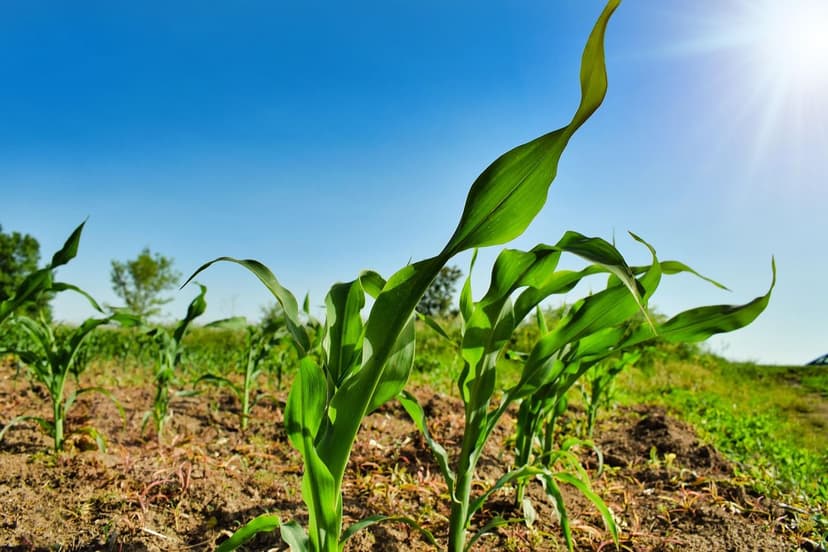
The incorporation of biostimulants in vegetable cultivation offers multiple benefits, which can be classified into three main areas: improvement of soil health, optimization of plant growth, and increase in harvest quality. Additionally, olive oil biostimulants also play an important role in improving olive oil quality, including biostimulants for olive oil quality. It is also important to consider micronutrients in healthy berries. For more information on the benefits of biostimulants and biostimulants, keep reading.
1. Improvement of Soil Health
Biostimulants can enrich soil microbiology, promoting the activity of beneficial microorganisms that contribute to soil health. These microorganisms help break down organic matter, releasing nutrients that are available to plants. Additionally, a healthy microbiota can reduce the incidence of plant diseases.
1.1 Mechanisms of Action of Biostimulants in the Soil
Biostimulants act through various mechanisms, including the production of organic compounds that promote the growth of beneficial microorganisms, such as bacteria of the genus Rhizobium and mycorrhizal fungi. These microorganisms, in turn, can improve the availability of nutrients like nitrogen and phosphorus, which are essential for vegetable growth. For example, a study conducted by the University of Córdoba showed that the use of seaweed-based biostimulants increased the population of Azospirillum, a bacterium that promotes root growth and enhances nutrient uptake.
Furthermore, biostimulants can induce the production of enzymes in the soil, such as phosphatases, which help release phosphorus from forms unavailable to plants. This is crucial, as phosphorus is one of the limiting nutrients in many agricultural soils, and it has been estimated that up to 80% of phosphorus in the soil may be in forms inaccessible to plants.
1.2 Impact on Soil Structure
The application of biostimulants can also improve soil structure, increasing its water retention capacity and aeration. A well-structured soil allows for better root development, resulting in more robust plant growth. Studies have shown that the application of humate-based biostimulants can increase soil porosity by 15%, which improves water infiltration and reduces erosion.
Improvement in soil structure can also lead to an increase in soil biological activity, which in turn can create a positive cycle where healthier soil promotes the growth of more beneficial microorganisms. This translates into greater nutrient availability and better crop yields.
2. Optimization of Plant Growth
Biostimulants stimulate physiological processes in plants, such as nutrient uptake and root formation. By improving nutrient use efficiency, crops can reach their maximum productive potential. For example, the use of certain biostimulants has been observed to increase root formation, allowing plants to access more nutrients and water in the soil.
2.1 Effects on Photosynthesis and Plant Growth
Biostimulants can also influence the rate of photosynthesis, leading to increased biomass and faster growth. In trials conducted with lettuce crops, it was found that the application of a seaweed extract-based biostimulant increased the photosynthesis rate by 20% compared to the untreated control, resulting in a 30% increase in harvest yield.
Furthermore, biostimulants can increase the activity of the Rubisco enzyme, which is key in the carbon fixation process, thereby improving photosynthetic efficiency. In a study on tomato crops, it was observed that the application of a biostimulant based on fulvic acid resulted in a 15% increase in Rubisco activity, which translated into more vigorous growth.
2.2 Resistance to Abiotic Stress
Biostimulants can also enhance plant resistance to abiotic stress conditions, such as drought or extreme temperatures. For example, a study on tomatoes showed that the application of an amino acid-based biostimulant improved drought tolerance, increasing production by 25% under water stress conditions. This effect is due to amino acids promoting the synthesis of proteins related to stress resistance and improving plant water regulation.
An additional mechanism to consider is the production of osmoprotective compounds, such as betaines and soluble sugars, which help plants maintain turgor and reduce cellular damage during stress events. Research has shown that the application of biostimulants can increase the concentration of these compounds in plants, thereby improving their ability to cope with adverse conditions. A recent study demonstrated that the application of a seaweed extract-based biostimulant under drought conditions increased betaine concentration by 40%, improving cell turgor.
3. Increase in Harvest Quality
The use of biostimulants not only affects the quantitative yield of crops but also improves the quality of the produ
Ecoganic products for this topic
UNIVERSAL POWER
Potassium oxide (K₂O)
1,19 % (measured)
Chloride: < 0,05 % (measured)
View technical sheet →MICRO PLUS 1-0-0
Total nitrogen (N)
1,013 % (measured)
Chloride: 0,183 % (measured)
View technical sheet →TERRA HUMID LIQUID
Humic and fulvic acids
incluido
Each datasheet publishes its guaranteed composition and, where available, the value measured at an accredited laboratory.
Related resources