

Common fungi in organic avocado
Fungus prevention in organic avocado is a key challenge for growers seeking to maintain crop health without resorting to synthetic fungicides. Among the most frequent fungal diseases are anthracnose (Colletotrichum gloeosporioides), root rot (Phytophthora cinnamomi), and scab (Sphaceloma perseae). These pathologies affect both production and fruit quality, reducing commercial value. Fungus prevention in organic avocado requires an integrated approach combining cultural practices, use of bioprotectants, and constant monitoring.
Infection mechanisms and favorable conditions
Anthracnose, caused by Colletotrichum gloeosporioides, develops optimally at temperatures between 20-28°C and relative humidity above 90%. Fungal spores germinate on the fruit surface forming appressoria that penetrate the cuticle using hydrolytic enzymes such as cutinases and pectinases. Studies have shown that anthracnose incidence can increase by up to 40% during prolonged rainy periods. Regarding Phytophthora cinnamomi, this oomycete requires poorly drained soils and acidic pH (4.5-6.5), where it produces biflagellate zoospores that swim toward roots in response to root exudates such as amino acids and sugars. Scab (Sphaceloma perseae) thrives under conditions of high foliar humidity (>95% RH) and moderate temperatures of 18-24°C, primarily infecting young shoots and developing fruit.
Economic impact and quantified losses
Economic losses from fungal diseases in organic avocado can reach between 15% and 30% of total production in the absence of preventive measures. In Mexico, the world's leading producer, anthracnose is estimated to cause postharvest losses of 20-25% in susceptible varieties such as Hass. Phytophthora root rot can eliminate up to 50% of young trees in orchards with poor drainage, with replanting costs exceeding $2,000 USD per hectare. Scab reduces the commercial value of the fruit by up to 35% due to deformations and scars on the skin, particularly affecting export markets where quality standards are stricter.
Integrated prevention strategies
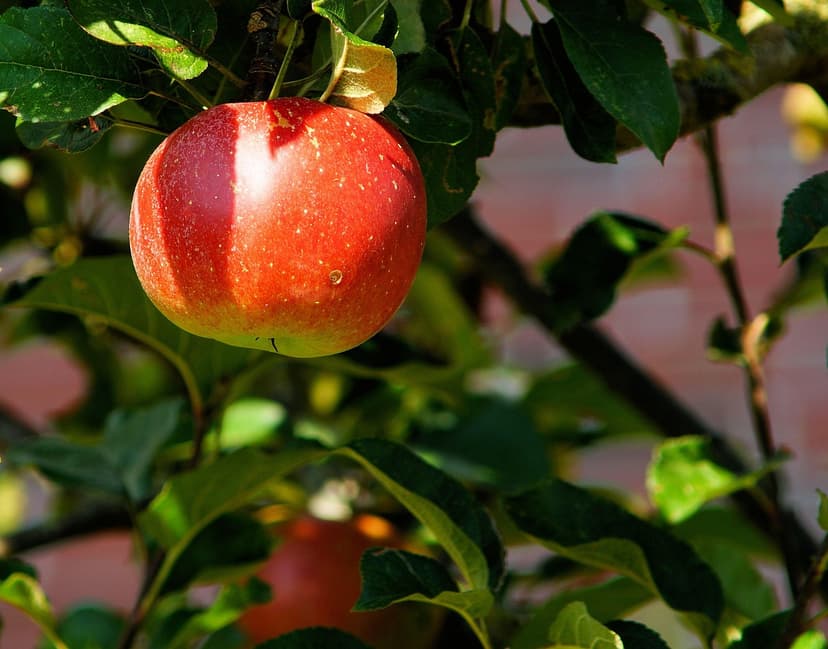
For effective fungal prevention in organic avocado, it is essential to implement integrated management that includes:
- Crop rotation: Avoid planting avocado in soils with a history of fungal diseases.
- Selection of resistant rootstocks: Use varieties tolerant to Phytophthora.
- Pruning management: Promote aeration and light entry to reduce foliar humidity.
- Weed control: Avoid alternate hosts for fungi.
These practices, combined with the application of biological products, strengthen fungal prevention in organic avocado.
Resistant rootstocks: scientific evidence and recommendations
The selection of resistant rootstocks is one of the most effective strategies against Phytophthora cinnamomi. Varieties such as 'Duke 7', 'Thomas', and 'Barr Duke' have shown genetic tolerance due to the production of phytoalexins like perseanol, an antifungal compound that inhibits pathogen growth. Studies in California demonstrated that trees grafted onto 'Duke 7' show a 60-70% reduction in root rot incidence compared to susceptible rootstocks like 'Topa Topa'. Under field conditions, it is recommended to evaluate compatibility with the scion variety and local edaphoclimatic conditions, as resistance can vary depending on water or nutritional stress.
Pruning management: technical protocol to reduce inoculum
Pruning should be carried out following a specific protocol to maximize aeration and reduce foliar humidity. It is recommended to remove crossing branches, suckers, and low shoots that impede air circulation, maintaining a minimum distance of 1.5 meters between trees. Training pruning should be performed during the dry season to minimize pathogen entry through wounds. Studies in Chile indicate that proper pruning reduces relative humidity within the canopy by 15-20%, decreasing the incidence of scab by 35%. It is crucial to disinfect pruning tools with 70% alcohol or 0.5% sodium hypochlorite between trees to prevent pathogen dispersal.
Weed control: identification of alternative hosts
Weeds can act as reservoirs for pathogenic fungi. Species such as Oxalis spp., Rumex spp., and Cyperus spp. are hosts for Phytophthora cinnamomi, while Commelina spp. can harbor Colletotrichum. It is recommended to implement a mechanical control program using brush cutters or organic mulching with pine bark or straw, which also reduces soil evaporation. In ecological systems, the use of cover crops such as Avena sativa or Vicia sativa can compete with weeds and improve soil biodiversity, reducing inoculum pressure by 25-30% according to research in Spain.
Bioprotectants and biostimulants in prevention
The use of bioprotectants based on beneficial microorganisms (Trichoderma, Bacillus) and natural extracts (propolis, algae) is a powerful tool in preventing fungi in organic avocado. These products act through competition, antibiosis, and activation of plant defenses. Additionally, biostimulants such as those based on amino acids and humic acids improve stress tolerance, reducing susceptibility to infections. Ecoganic develops specific solutions for preventing fungi in organic avocado, integrating science and sustainability.
Mechanisms of action of Trichoderma spp.
Trichoderma harzianum and Trichoderma viride are the most studied bioprotectants. They act through mycoparasitism, where the antagonist's hyphae coil around the pathogen's hyphae and secrete lytic enzymes such as chitinases, glucanases, and proteases that degrade the fungal cell wall. Additionally, they produce secondary metabolites like gliotoxin and viridin, which inhibit the growth of Phytophthora and Colletotrichum. Field studies in organic avocado have shown that biweekly applications of Trichoderma (1-2 kg/ha) reduce root rot incidence by 45-55% and improve yield by 20%. It is crucial to apply the product during hours of lower solar radiation (dawn or dusk) to avoid UV inactivation.
Bacillus subtilis: antibiosis and competition
Bacillus subtilis produces lipopeptides such as surfactin, iturin, and fengycin, which disrupt the cell membrane of pathogenic fungi, causing cell lysis. It also competes for nutrients in the rhizosphere and phyllosphere, reducing the availability of carbon and nitrogen for pathogens. In trials conducted in Colombia, foliar application of Bacillus subtilis (10^8 CFU/mL) every 15 days during the rainy season reduced the severity of anthracnose in Hass avocado fruits by 40-50%. It is recommended to combine it with a natural sticker such as soy lecithin (0.1%) to improve persistence on the leaf surface.
Natural extracts: propolis and seaweed
Propolis, a resin produced by bees, contains flavonoids (pinocembrin, galangin) and phenolic acids that inhibit spore germination of Colletotrichum by destabilizing the mitochondrial membrane. Postharvest applications at 2-3% have shown a 60% reduction in anthracnose incidence during storage. Seaweed extracts (Ecklonia maxima, Ascophyllum nodosum) are rich in polysaccharides such as laminarin and fucoidans, which act as defense elicitors, activating the salicylic acid pathway and phytoalexin production. Studies in Spain indicate that foliar applications of seaweed extract (2-3 L/ha)
Frequently Asked Questions
What are the most common fungi in organic avocado?
The most frequent are anthracnose (Colletotrichum gloeosporioides), root rot (Phytophthora cinnamomi), and scab (Sphaceloma perseae). These pathogens affect leaves, fruits, and roots, reducing production.
How to prevent fungi without synthetic fungicides?
Prevention can be achieved through integrated management: pruning for aeration, drip irrigation, use of resistant rootstocks, application of bioprotectants (Trichoderma, Bacillus), and biostimulants that strengthen the plant's defenses.
What organic products do you recommend for prevention?
We recommend bioprotectants based on beneficial microorganisms and natural extracts such as propolis or algae. Ecoganic offers specific solutions for organic avocado.
When should preventive treatments be applied?
Treatments should be applied during periods of high humidity (rainy season, morning dew) and after pruning or stress events that weaken the plant.