

Introduction
Soil microorganisms are essential for improving crop health, acting as natural allies in sustainable agriculture. These organisms, invisible to the naked eye, play crucial roles in plant nutrition and protection, facilitating increased yields in crops such as coffee, cocoa, avocado, among others. In a recent study, it has been observed that the application of soil microorganisms can increase agricultural productivity by 10% to 30%, representing a powerful tool for farmers seeking to improve crop efficiency sustainably.
The importance of soil microorganisms lies in their ability to transform inaccessible nutrients into forms that plants can absorb. Additionally, these organisms contribute to improving soil structure, increasing its fertility, and helping to mitigate abiotic and biotic stress. In this article, we will explore the benefits of soil microorganisms, their mechanisms of action, recommendations for their application, and use cases in Latin America.
Benefits of Soil Microorganisms
Improved Nutrient Absorption
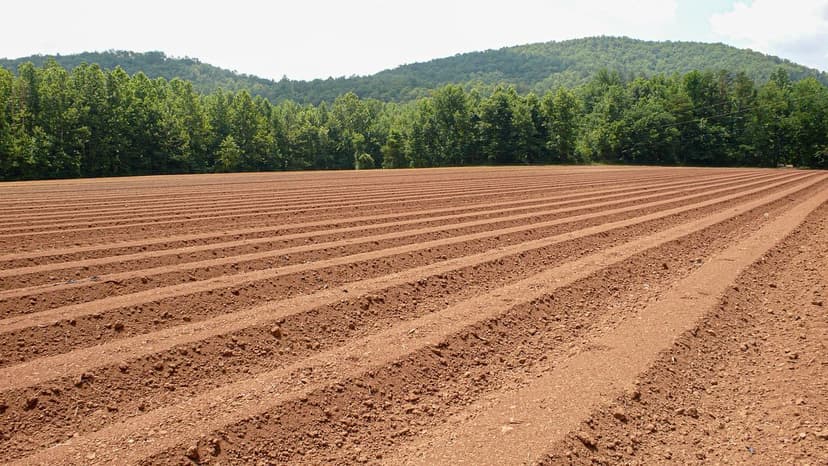
Soil microorganisms offer a wide range of benefits that can be harnessed to improve crop health. Among the most significant benefits is improved nutrient absorption. For example, certain plant growth-promoting rhizobacteria (PGPR) such as Azotobacter and cyanobacteria are capable of fixing atmospheric nitrogen, converting it into forms assimilable by plants, which is crucial for high-value crops like corn and soybeans. A study conducted at the University of California showed that the use of Azotobacter can increase nitrogen availability in the soil by 15-20%.
Furthermore, arbuscular mycorrhizae also play a vital role in improving phosphorus absorption, an essential nutrient that is often present in poorly soluble forms in the soil. It has been documented that the symbiosis between mycorrhizae and plants can increase phosphorus absorption by up to 70%, which is especially beneficial in nutrient-poor soils.
An additional study conducted at the University of Helsinki indicated that the application of Glomus intraradices in wheat crops improved the absorption of micronutrients such as zinc and copper by 25%, contributing to optimal plant development.
Biological Control of Pathogens
Furthermore, mycorrhizal fungi and actinobacteria such as Streptomyces play a vital role in the biological control of soil pathogens. These organisms not only help protect plants against diseases but also improve water and nutrient absorption, especially in nutrient-poor soils. An experiment conducted in wheat fields in India demonstrated that inoculation with Streptomyces reduced the incidence of fungal diseases by 25%.
The mechanism of action of these fungi includes the production of antimicrobial compounds that inhibit pathogen growth, as well as competition for space and resources in the rhizosphere. A study conducted by the University of Nottingham indicated that the introduction of mycorrhizae can reduce the need for chemical fungicides by 40%, thereby promoting more sustainable agricultural practices.
Additionally, the production of natural antibiotics by Streptomyces has been documented at the University of Cambridge, where a 30% reduction in the activity of pathogenic fungi was observed in tomato crops, contributing to a significant decrease in crop losses.
Induction of Stress Resistance
An essential aspect of soil microorganisms is their ability to induce resistance in plants against stress conditions such as drought and salinity. This is particularly relevant in tropical regions where climatic conditions can be extreme. By improving plant tolerance to these factors, microorganisms contribute to crop resilience and ensure more stable harvests. Crops treated with arbuscular mycorrhizae have been observed to show a 30% increase in water stress tolerance.
In addition to mycorrhizae, PGPR bacteria also play a fundamental role in mitigating abiotic stress. They produce indoleacetic acid, a plant hormone that improves root growth and water absorption, which is crucial under drought conditions. An experiment at the University of Bangalore demonstrated that tomato plants treated with Pseudomonas fluorescens showed a 25% increase in resistance to saline stress.
In a study from the University of Pretoria, the application of Bacillus amyloliquefaciens in maize crops was shown to increase the production of heat shock proteins by 40%, thereby improving resistance to thermal stress.
Improvement of Soil Structure
Soil microorganisms also contribute to improving soil structure by producing exopolysaccharides that act as cementing agents, binding soil particles into larger, more stable aggregates. This process increases soil porosity, enhancing water infiltration and reducing erosion. A study at the University of Leeds showed that microbial activity can increase soil aggregate stability by 35%, which is essential for soil conservation in erosion-prone areas.
Improved soil structure also facilitates air circulation and nutrient access, creating a more favorable environment for root growth. An experiment at the Agricultural Research Institute of Chile demonstrated that applying microbial biofertilizers to grapevine crops improved soil aeration by 20%, resulting in a 15% increase in grape yield.
Additionally, the University of Queensland documented that the use of microbial consortia, including Rhizobium and Trichoderma, can increase water retention in sandy soils by 22%, improving crop support capacity in arid climates.
Mechanisms of Action
Direct Mechanisms
Soil microorganisms act through direct and indirect mechanisms to improve crop health. Direct mechanisms include mycoparasitism, where certain fungi attack and break down soil pathogens, and competition for nutrients and space, which limits the proliferation of harmful organisms. A study conducted at Wageningen University revealed that Trichoderma fungi can reduce soil pathogen populations by 40% through mycoparasitism.
Another direct mechanism is the production of siderophores, compounds that sequester iron from the environment, making it less available to pathogens. This competition for iron is crucial for limiting the growth of harmful microorganisms in the rhizosphere. Research at the University of Zurich showed that introducing siderophore-producing bacteria can reduce disease incidence in lettuce crops by 30%.
The production of lytic enzymes by Pseudomonas has also been identified as a key mechanism for dissolving pathogen cell walls, helping to reduce infection incidence by 28% in cucumber crops, according to a study at the University of Warsaw.
Indirect Mechanisms
On the other hand, indirect mechanisms are equally important. Nutrient solubilization is a critical process in which microorganisms such as PGPR release organic acids and enzymes that transform insoluble phosphorus into forms available to the plant. Additionally, these microorganisms produce plant hormones such as auxins, cytokinins, and gibberellins, which promote root growth and development, thereby increasing the plant's ability to absorb water and nutrients. In a study from Cornell University, the application of PGPR was shown to increase root length by 25%.
The production of volatile organic compounds (VOCs) by microorganisms also plays a significant indirect role. These VOCs can stimulate plant growth and activate their natural defenses. A study at the Max Planck Institute revealed that VOCs emitted by Bacillus subtilis can induce a 15% increase in the growth of Arabidopsis plants, in addition to activating defense genes against pathogens.
Furthermore, the University of Oxford has documented that VOC emission by Paenibacillus in basil crops not only increases growth by 18% but also improves the concentration of essential oils, which is crucial for their commercial value.
Induction of Plant Defenses
Similarly, microorganisms induce the production of phytoalexins and physical barriers in the rhizosphere, strengthening the natural defenses of plants against pathogens. This synergistic effect not only improves crop health but also reduces the need for chemical pesticides, aligning with sustainable agriculture practices. Research at the University of São Paulo has shown that crops treated with soil microorganisms exhibited a 20% increase in phytoalexin production.
Additionally, interaction with soil microorganisms can activate signaling pathways such as jasmonic acid and salicylic acid, which are crucial for the plant immune response. A study at Kyoto University found that activation of these pathways through microbial inoculation can reduce the severity of infections by Pseudomonas syringae by 35% in tobacco plants.
An additional study from the University of California showed that application of Trichoderma harzianum in cucumber crops increased the expression of defense-related genes by 45%, improving resistance to foliar pathogens.
Practical Application and Dosage
Application Methods
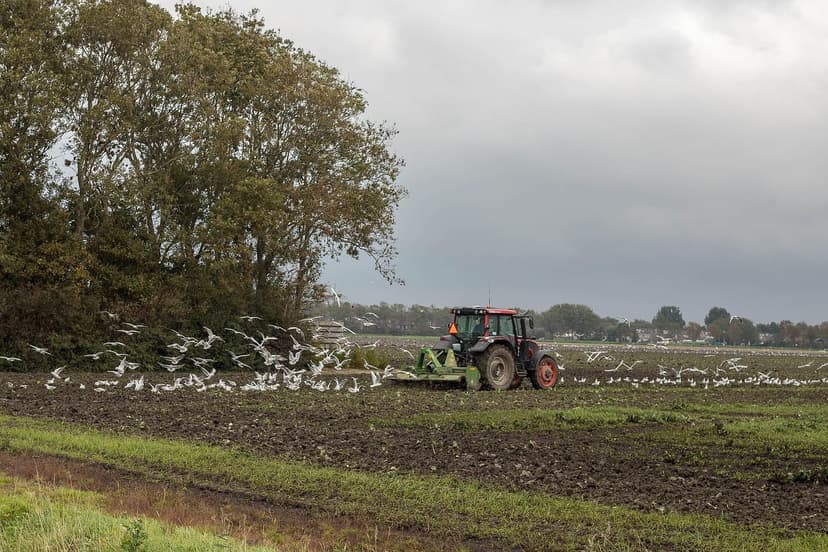
The effective application of soil microorganisms requires careful consideration of soil and crop conditions. Generally, the application of these biofertilizers is recommended through root irrigation or seed coating. These practices ensure effective root colonization and optimal rhizosphere development. In vegetable crops, the use of microbial inoculants in the irrigation system has shown an 18% increase in water use efficiency.
Foliar application is also a viable option, especially for microorganisms that promote growth through the production of plant hormones. A study conducted at the Agricultural Research Institute in New Delhi showed that foliar application of Bacillus thuringiensis resulted in a 12% increase in wheat crop yields.
In hydroponic cropping systems, inoculating nutrient solutions with Pseudomonas putida has been shown to increase nutrient uptake by 20%, according to a study from the University of Tokyo, improving production efficiency in leafy vegetables.
Dosage Considerations
Regarding dosage, although there is no universal standard due to the variability of soil and climate conditions, it is suggested to apply in soils with high organic matter to maximize the mineralization of essential nutrients such as nitrogen, phosphorus, and sulfur. Farmers should conduct soil analyses to determine the specific needs of their crops and adjust doses accordingly. A study conducted at the University of Buenos Aires indicates that the application of 1×10⁸ CFU/g of soil of Rhizobium is optimal for legume crops.
It is crucial to adjust the dosage according to the type of crop and the microorganism used. For example, the application of mycorrhizae in corn crops requires higher doses compared to vegetable crops due to differences in root colonization. Additionally, incorporating organic matter, such as compost, can enhance the effectiveness of microorganisms by providing them with an additional carbon source.
The University of Barcelona has suggested that the application of Trichoderma in sandy soils should be carried out at doses adjusted to 5% of the soil dry weight to maximize its effectiveness in pathogen control.
Application Frequency
The frequency of application will depend on the specific crop and the level of soil microbial activity. However, periodic application is recommended during critical growth stages to ensure a constant supply of nutrients and effective pathogen control. For example, in tomato cultivation, the application of mycorrhizal fungi during flowering has shown a 15% increase in fruit yield.
In perennial crops such as coffee, applying soil microorganisms during each production cycle can be beneficial for maintaining soil health and long-term productivity. A study at the University of Costa Rica suggested that biannual application of Azospirillum brasilense can maintain optimal soil nitrogen levels and improve grain quality by 10%.
Furthermore, research at the University of the Andes has shown that quarterly application of microbial consortia in cocoa crops can increase disease resistance by 25%, promoting sustainable, high-quality production.
Use Cases in Latin America
Brazil: Improvements in Rice Cultivation
In Latin America, the use of soil microorganisms has shown promising results in various crops. In Brazil, for example, the use of cyanobacteria in flooded rice systems has significantly improved nitrogen fixation, resulting in higher yields. Studies from the Embrapa Institute have reported increases of up to 25% in rice production through the use of microbial biofertilizers.
The implementation of these microorganisms has also improved water quality in flooded cultivation systems, reducing the presence of toxic compounds and promoting a healthier environment for rice growth. This translates into higher grain quality, with a 5% increase in protein content.
Additionally, the use of Anabaena in rice crops has reduced the need for nitrogen fertilizers by 30%, providing an economical and ecological solution for Brazilian farmers.
Mexico: Increased Avocado Quality
Similarly, in Mexico, farmers using mycorrhizal fungi in avocado crops have reported improved water and nutrient absorption, resulting in higher quality fruit. Research from the National Institute of Forestry, Agricultural and Livestock Research (INIFAP) has shown that these treatments reduce the incidence of root diseases by 30%.
Furthermore, the application of microorganisms has allowed producers to reduce the use of chemical fertilizers by 20%, thereby lowering production costs and environmental impact. This has been particularly notable in regions where soil quality is a limiting factor for avocado cultivation.
In the state of Michoacán, the application of Glomus fasciculatum has been shown to increase the oil content in the fruit by 10%, improving its value on the international market.
Venezuela: Sustainability in Coffee Cultivation
In Venezuela, the use of plant growth-promoting bacteria in coffee cultivation has allowed producers to reduce their dependence on chemical fertilizers, improving crop sustainability and reducing costs. A study from the Central University of Venezuela demonstrated that the use of Rhizobium and Azospirillum can increase coffee yield by 20%, while decreasing the use of nitrogen fertilizers by 40%.
This approach not only improves productivity but also enhances the organoleptic quality of the coffee, with a 15% increase in the content of aromatic compounds. Additionally, the reduction in the use of chemical fertilizers helps preserve local biodiversity, promoting more sustainable and environmentally friendly agricultural practices.
In the Mérida region, the application of Bacillus megaterium has shown a 12% increase in resistance to foliar diseases, ensuring more stable and profitable production for local coffee growers.
Frequently Asked Questions
How do microorganisms improve nutrient absorption in crops?
Soil microorganisms solubilize essential nutrients such as phosphorus and fix atmospheric nitrogen, converting them into forms absorbable by plants, thereby improving crop nutrition.
What types of microorganisms are most effective for pathogen control?
Mycorrhizal fungi and actinobacteria such as *Streptomyces* are highly effective in the biocontrol of pathogens due to their ability to produce natural antibiotics and compete for nutrients.
What is the best time to apply microorganisms to crops?
Application is most effective during critical growth stages, such as germination and root development, to ensure adequate colonization and a constant supply of nutrients.
Can soil microorganisms reduce the use of chemical fertilizers?
Yes, by improving nutrient absorption and increasing disease resistance, soil microorganisms can significantly reduce the need for chemical fertilizers, promoting more sustainable agriculture.