

Discover everything about biostimulants for tomatoes: when to apply them, recommended doses and real results that will improve your crop. Find out now!
Application of Biostimulants

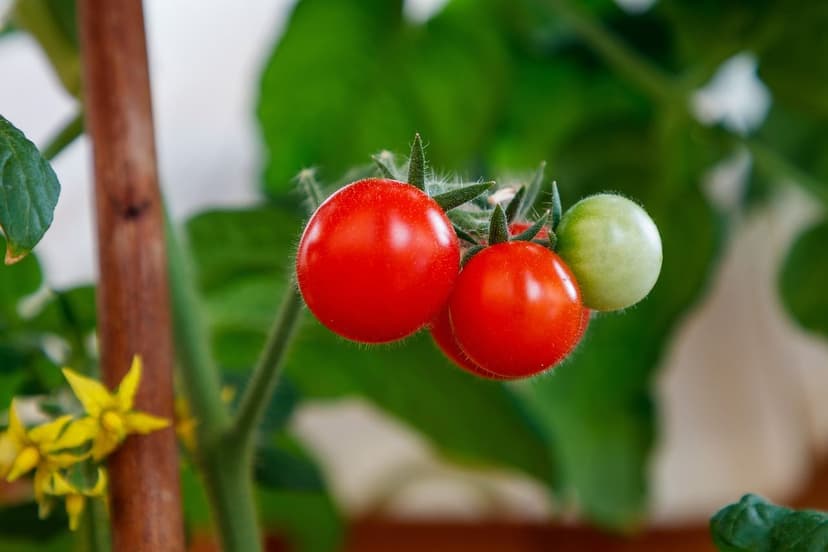
Biostimulants for tomato are applied at different stages of the crop to maximise their effectiveness. Their use is fundamental in the initial development of the plant, in the flowering phase and during fruit filling. Generally, it is recommended to apply these products by drip irrigation or spraying, ensuring a uniform distribution. It is vital to follow the manufacturer's instructions to optimise the impact and avoid adverse effects. For more information on their use, consult our guide on biostimulants tomato crop.
Critical Phases for Application
The application of biostimulants must be strategic, taking into account the critical phases of the crop. In the germination phase, biostimulants can help improve the emergence rate and root development. During the vegetative phase, the use of amino acids and seaweed extracts is recommended, as they favour growth and the general health of the plant. In the flowering phase, biostimulants increase pollination and fruit set, while during fruit filling they contribute to improving the size and quality of the tomato.
Germination Phase
During the germination phase, biostimulants can be crucial to ensure a robust start. This effect is due to the improvement in enzymatic activity and the stimulation of cell metabolism, which results in stronger root growth and more efficient establishment of the plant.
Vegetative Phase
In the vegetative phase, the use of biostimulants such as seaweed extracts can increase photosynthesis and vegetative growth. This is attributed to the action of the phytohormones present in the extracts, which promote cell elongation and leaf development.
Flowering Phase
The flowering phase is critical for the success of the crop, and the application of biostimulants at this time can improve pollination and fruit set. This is because these compounds stimulate cell division in the ovaries of the flowers, favouring fertilisation and the initial development of the fruit. Intervention at this stage can be decisive for maximising yield in fields where pollination can be a challenge, especially under adverse weather conditions.
Fruit Filling Phase
During the fruit filling phase, biostimulants can influence the size, shape and quality of the tomato. This effect is attributed to the improvement in the absorption of nutrients and water, as well as to the production of secondary metabolites that contribute to fruit development. The application of biostimulants at this phase can also improve the texture and prolong the shelf life of the tomato, which is crucial for the market.
Mechanisms of Action of Biostimulants
Biostimulants act through various biochemical mechanisms that promote the growth and development of plants. Seaweed extracts, for example, contain phytohormones such as auxins and cytokinins, which regulate cell growth and cell division. Amino acids, for their part, are essential components in protein synthesis and can act as precursors of plant hormones. In addition, beneficial microorganisms improve nutrient availability and encourage a more robust root system, which is crucial for the development of the tomato plant.
Mechanisms of Growth Stimulation
The interaction of biostimulants with plants is based on several mechanisms, such as the activation of specific metabolic pathways and the production of metabolites. For example, certain amino acids can activate the synthesis of antioxidants, which help plants to cope with abiotic stress, such as drought or salinity. This aspect is fundamental in a context of climate change, where plants face more frequent and severe stress conditions.
Interaction with Soil Microorganisms
Biostimulants can also positively influence the soil microbiota. The application of products containing beneficial microorganisms, such as bacteria and fungi, can improve soil health and nutrient availability. This highlights the importance of a holistic approach in agriculture, where soil health is considered a fundamental pillar for the success of the crop.
Practical Examples of Field Application
Furthermore, under water stress conditions, it has been proven that the application of biostimulants not only improves production, but also helps plants to maintain their physiology, which is crucial for sustainable water management.
Ecoganic products for this topic
PK-FLOW 20
Phosphorus pentoxide (P₂O₅)
14,44 % p/p — 20,1 % p/v (measured)
Chloride: 2,74 % (measured)
View technical sheet →CALCIUM 40
Calcium oxide (CaO)
34,0 % p/p (measured)
Chloride: < 0,05 % (measured)
View technical sheet →NITROTECH 2.5
Total nitrogen (N)
≥ 2,5 %
Each datasheet publishes its guaranteed composition and, where available, the value measured at an accredited laboratory.
Related resources


