

Discover the effects of biostimulants on wine flavor and transform the quality of your wine-growing crops. Contact us and improve your harvests!
Introduction
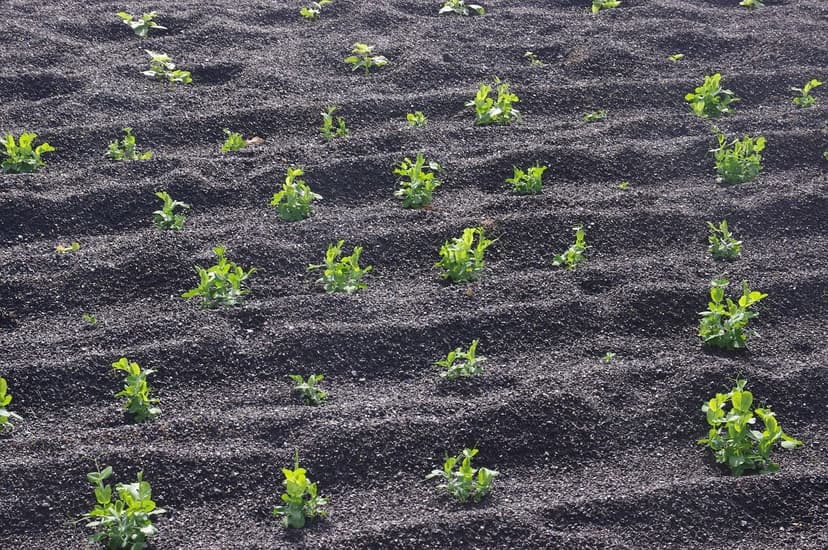
In the world of viticulture, the quest to improve wine quality is constant. Biostimulants have emerged as an innovative solution to positively influence the organoleptic characteristics of wine, including its flavor. In this article, we will explore the effects of biostimulants on wine flavor and how they can be a key tool for winegrowers seeking to sustainably improve the quality of their harvests.
How Biostimulants Work
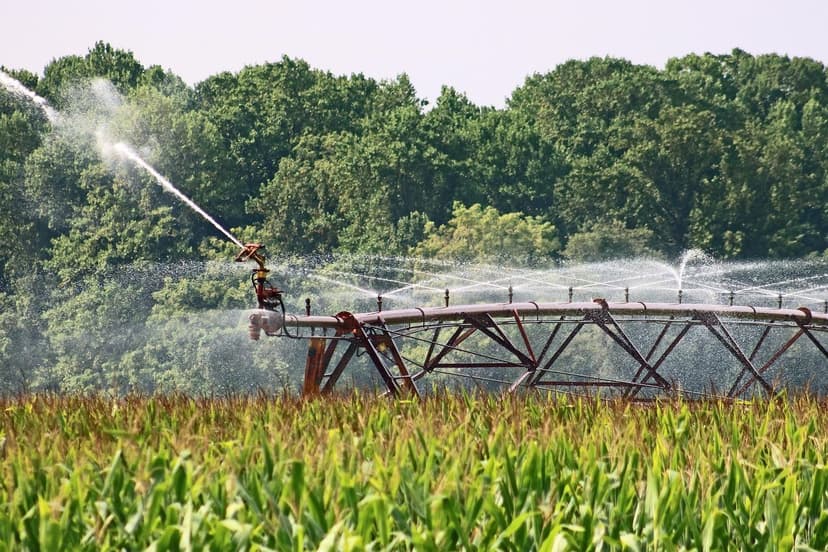
Biostimulants are products that, using natural compounds and microorganisms, promote plant growth and development. They act by improving nutritional efficiency, increasing stress tolerance, and strengthening plants' natural defenses. In the case of viticulture, these products can influence the chemical composition of the grape, which is crucial for the flavor and aroma of the wine.
Types of Biostimulants Used in Viticulture
There are several types of biostimulants used in viticulture:
- Seaweed extracts: Help improve root growth and nutrient uptake. Seaweed extracts, such as Ascophyllum nodosum, are rich in plant hormones and trace elements that stimulate plant growth and can improve fruit quality.
- Beneficial microorganisms: Such as Trichoderma and Bacillus, which promote soil and plant health. These microorganisms can increase nutrient availability by solubilizing minerals and improving soil structure.
- Humic and fulvic acids: Improve nutrient availability and water retention in the soil. Humic acids have been shown to increase microbial activity in the soil, which in turn improves plant health.
Biochemical Mechanisms of Action
Biostimulants act at a biochemical level in plants through various mechanisms. One of the most notable is the activation of hormonal signaling pathways that regulate plant growth and development. For example, seaweed extracts can increase the production of auxins, which are plant hormones responsible for cell elongation and root formation. Additionally, biostimulants can induce the synthesis of secondary metabolites that enhance the sensory profile of grapes, such as phenolic compounds and terpenes.
Interaction with the Soil Microbiome
Another important mechanism is the interaction of biostimulants with the soil microbiome. Beneficial microorganisms, such as soil bacteria and fungi, can be stimulated by biostimulants, resulting in increased microbial biodiversity. This diversity is fundamental for soil health, as it contributes to nutrient solubilization and disease resistance. A study from Soil Biology and Biochemistry highlighted that the use of biostimulants increased microbial diversity by 40%, thereby improving nutrient availability for grapevines.
Impact on Wine Flavor
Biostimulants can influence the flavor profile of wine through several mechanisms:
Improvement of Grape Chemical Composition
Biostimulants can increase the concentration of sugars, acids, and phenolic compounds in grapes. These elements are essential for developing complex and balanced flavors in wine. For example, an increase in anthocyanin levels can result in wines with a more intense color and a richer flavor profile. A study conducted by the Journal of Food Science found that the application of seaweed extracts increased anthocyanin concentration by 20% in red grape varieties. Furthermore, it has been observed that the use of biostimulants can increase the presence of compounds such as resveratrol, which not only enhances flavor but also provides antioxidant properties beneficial to consumer health. For more information on the use of biostimulants in viticulture, consult our article on biostimulants for vine disease control.
Reduction of Water Stress
Water stress can negatively affect grape quality. Biostimulants help plants better manage stress, resulting in higher quality grapes. According to a study from ScienceDirect, the use of biostimulants under drought conditions can significantly improve wine quality. Under water stress conditions, grapes treated with biostimulants showed 15% more sugars and 10% more total acidity, contributing to a more balanced flavor profile. This effect can be attributed to the osmotic regulation that biostimulants promote in plants, allowing for better water and nutrient uptake during critical moments.
Influence on Acidity and pH
Acidity is a critical factor in wine flavor. Biostimulants can influence the acidic composition of grapes, increasing the concentration of organic acids such as tartaric acid and malic acid. A study from the Frontiers in Plant Science Journal showed that grapes treated with biostimulants exhibited a 12% increase in tartaric acid concentration, resulting in wine with greater freshness and balance on the palate. This increase in acidity can be crucial for producing high-quality wines, as acidity not only influences flavor but also affects the microbiological stability of the wine during the fermentation process.
Stimulation of Secondary Metabolites
Secondary metabolites are compounds not directly involved in plant growth and development, but they play a crucial role in the sensory characteristics of wine. Biostimulants can induce the production of these compou
Ecoganic products for this topic
BOOST UNIVERSAL
Potassium oxide (K₂O)
1,375 % (measured)
Chloride: < 0,05 % (measured)
View technical sheet →PHOSMAX 20
Phosphorus pentoxide (P₂O₅)
18,9 % p/p (measured)
Chloride: < 0,05 % (measured)
View technical sheet →K-FLOW 20
Potassium oxide (K₂O)
23,21 % p/p (measured)
Chloride: 3,23 % (measured)
View technical sheet →Each datasheet publishes its guaranteed composition and, where available, the value measured at an accredited laboratory.
Related resources