

Introduction
Biostimulants for fruit crops are an innovative solution that enables increasing agricultural production sustainably. These products, developed from natural extracts, beneficial microorganisms, and bioactive compounds, are essential for optimizing nutritional efficiency and improving plant resistance to abiotic and biotic stress. In a context where the demand for high-quality fruits is growing, biostimulants emerge as a key tool for European farmers.
The importance of biostimulants lies in their ability to positively influence plant physiology. By improving processes such as photosynthesis, nutrient uptake, and stress tolerance, these products not only increase the quantity of fruits produced but also enhance their quality. This is especially relevant in Europe, where EFSA regulations and EC legislation promote sustainable and environmentally friendly agricultural practices.
Importance of Biostimulants

Biostimulants play a crucial role in modern agriculture by offering solutions to maximize crop yield without compromising soil health or the ecosystem. Unlike conventional fertilizers, biostimulants do not directly supply nutrients but rather enhance the plant's natural mechanisms to better absorb and utilize available nutrients in the soil.
Impact on Soil Health
Soil health is a determining factor in agricultural productivity, and biostimulants play a vital role in its maintenance. These products improve soil microbial activity, promoting the presence of beneficial microorganisms that facilitate the decomposition of organic matter and the release of nutrients. According to research conducted by Wageningen University, the application of biostimulants can increase soil microbial activity by 30%, thereby improving soil structure and its capacity to retain water and nutrients.
Furthermore, biostimulants contribute to the stability of soil aggregates, resulting in improved aeration and drainage. The enhancement of soil structure also facilitates root penetration and expansion, allowing for more efficient access to nutrients. A study from the University of Bologna indicated that the use of biostimulants in sandy soils increased water retention capacity by 15%, which is crucial for maintaining production during drought periods.
Resistance to Abiotic Stress
A fundamental aspect of biostimulants is their ability to improve plant resistance to abiotic stress, such as drought and extreme temperatures. This is especially critical in the context of climate change, where fluctuations in environmental conditions can significantly affect crop productivity. According to a study published in the Journal of Plant Physiology, biostimulants have been shown to reduce the negative effects of water stress in various fruit species. This study indicates that treatment with biostimulants can improve water use efficiency by 20-40%, which is crucial for crop sustainability in arid regions.
The biochemical mechanisms involved include the regulation of stomatal opening and closing, thus optimizing the plant's water balance. Additionally, biostimulants promote the accumulation of osmoprotectants, such as proline and glycine betaine, which help plant cells maintain turgor and membrane integrity under stress conditions. Trials conducted in vineyards have shown that the application of biostimulants can reduce water loss through transpiration by 25%, improving tolerance to thermal stress.
Impact on Soil Biodiversity
The application of biostimulants also has a positive impact on soil biodiversity, promoting the presence of beneficial organisms such as arbuscular mycorrhizal fungi and nitrogen-fixing bacteria. These microorganisms improve nutrient availability and promote healthier plant growth. A study conducted on subtropical fruit crops demonstrated that soil microbial biodiversity increased by 45% following the application of biostimulants, which translated into an increase in crop productivity and a reduction in the use of chemical pesticides.
Physiology and Mechanisms of Action
Biostimulants act through multiple physiological mechanisms that improve plant growth and development. These mechanisms include the stimulation of enzymatic activity, the enhancement of photosynthesis, and the increased production of phytohormones, such as auxins and cytokinins. These hormones are crucial for regulating cell growth and fruit development.
Stimulation of Enzymatic Activity
Biostimulants promote the activity of key enzymes in plants, such as nitrate reductase, which is essential for nitrogen assimilation. A study conducted by the Institute for Sustainable Agriculture Research showed that the application of biostimulants increases nitrate reductase activity by 25%, significantly improving nitrogen use efficiency and reducing the need for nitrogen fertilizers.
Additionally, an increase in the activity of antioxidant enzymes such as superoxide dismutase and catalase has been observed, which protect plants from oxidative damage induced by abiotic stress. These enzymes play a crucial role in detoxifying reactive oxygen species (ROS), allowing plants to maintain their metabolism under adverse conditions. A study on tomato crops indicated that the application of biostimulants increased total antioxidant activity by 35%, contributing to greater resistance to oxidative stress.
Enhancement of Photosynthesis
Photosynthesis is the fundamental process by which plants convert sunlight into chemical energy. Biostimulants improve this process by increasing chlorophyll content and the efficiency of the photosynthetic apparatus. Research has shown that crops treated with biostimulants exhibit a 15% increase in net photosynthetic rate, which translates into greater vegetative growth and more abundant fruit production.
The mechanism behind this improvement includes the optimization of stomatal opening, allowing for more efficient gas exchange and greater CO2 fixation. Furthermore, biostimulants promote the biosynthesis of photosynthetic pigments, such as chlorophyll and carotenoids, which are essential for light capture. Studies on strawberry crops have shown an 18% increase in chlorophyll content, resulting in higher yield and fruit quality.
Production of Phytohormones
Phytohormones, such as auxins, cytokinins, and gibberellins, are fundamental for plant growth and development. Biostimulants induce the production of these hormones, facilitating processes like cell division and shoot elongation. A study published in the journal Plant Growth Regulation found that biostimulants can increase auxin concentration by 40%, thereby improving root growth and nutrient uptake.
Additionally, cytokinins play a crucial role in regulating leaf senescence, thus prolonging leaf lifespan and increasing the plant's photosynthetic capacity. An experiment conducted on grapevine crops showed that biostimulant application increased cytokinin concentration by 30%, which delayed leaf senescence and improved grape yield by 10%.
Interaction with Secondary Metabolism
Biostimulants also influence plant secondary metabolism, promoting the synthesis of compounds such as flavonoids and terpenes, which play important roles in defense against pathogens and in attracting pollinators. A study on apple crops demonstrated that biostimulant application increased flavonoid concentration by 28%, improving resistance to pests and diseases and enhancing the fruit's nutritional value.
Application in Fruit Crops
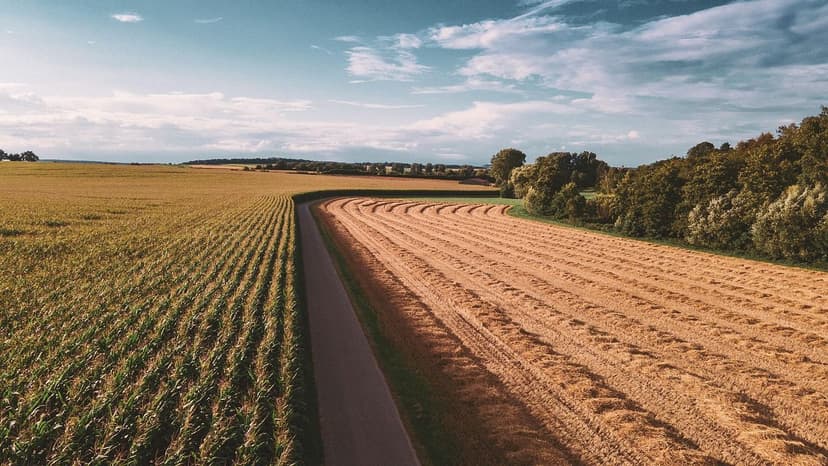
The application of biostimulants in fruit crops must be carefully managed to maximize their benefits. Biostimulants can be applied both foliarly and to the roots, depending on the specific needs of the crop and the phenological stage. For example, during flowering and fruit set, foliar applications are recommended to facilitate rapid absorption and effect.
Foliar Applications
Foliar applications of biostimulants are especially effective during critical stages of crop development, such as flowering and fruit set. These applications allow for rapid absorption of bioactive compounds, which is crucial for improving fruit quality. Studies conducted on apple crops in Germany show that foliar applications of biostimulants during flowering increase harvest yield by 12%, also improving fruit size and uniformity.
The efficacy of foliar applications is due to the direct absorption of nutrients through the leaf cuticle, allowing for a rapid plant response. Additionally, biostimulants applied in this way can include chelating agents that facilitate the absorption of essential micronutrients such as iron and zinc. A study on pear crops showed that foliar applications of biostimulants increased leaf iron concentration by 22%, improving photosynthesis and fruit growth.
Root Applications
Biostimulants applied to the soil improve root system health and soil structure. This is particularly important in perennial crops such as fruit trees, where a robust root system is essential for efficient water and nutrient uptake. Trials on citrus crops in Spain have shown that root application of biostimulants can increase root length and density by 25%, resulting in greater resistance to water stress.
This type of application also promotes mycorrhiza formation, symbiotic associations between fungi and roots that enhance the absorption of phosphorus and other nutrients. A study on olive crops indicated that the application of root biostimulants increased mycorrhizal colonization by 40%, which translated into a 15% increase in olive yield.
Dosage Considerations
In terms of dosage, it is essential to follow the manufacturer's specific recommendations and consider the crop characteristics and soil conditions. Dosages typically range from 1 to 3 liters per hectare, depending on the type of biostimulant and the crop's growth stage. It is important to make periodic applications to maintain optimal levels of biostimulants in the soil and plant tissue, thus ensuring a continuous and sustained effect.
Furthermore, timing applications with critical phenological stages, such as budding and fruit filling, can maximize benefits. A trial on peach crops showed that applying biostimulants at the start of budding and before harvest increased yield by 20% and improved fruit quality in terms of size and soluble solids content.
Integration with Agricultural Practices
The integration of biostimulants with other sustainable agricultural practices, such as crop rotation and integrated pest management, can enhance their beneficial effects. A combined approach not only improves crop health but also contributes to the long-term sustainability of agricultural production. Experiments in blueberry crops have shown that combining biostimulants with organic soil management techniques increased yield by 30% compared to conventional practices.
Case Studies in Europe
In Europe, the use of biostimulants in fruit crops has shown positive results in terms of yield and harvest quality. A notable example is the case of vineyards in the Burgundy region of France, where the use of biostimulants has increased resistance to fungal diseases, thereby improving both yield and the quality of the wine produced.
Vineyards in Burgundy, France
In the vineyards of Burgundy, the application of biostimulants has been key to improving vine resistance to diseases such as downy mildew and powdery mildew. These biostimulants not only strengthen the plants' immune system but also enhance the organoleptic quality of the wine. A study conducted by the French National Institute for Agricultural Research (INRA) concluded that the use of biostimulants in vines can reduce disease incidence by 30%, allowing for a reduction in fungicide use.
Furthermore, it has been observed that biostimulants improve the synthesis of phenolic compounds, contributing to a more complex aromatic profile and greater color stability in wines. An oenological study highlighted that wines produced from grapes treated with biostimulants showed a 10% increase in anthocyanin content, improving their quality and market value.
Citrus Crops in Spain
Another success story is found in citrus crops in Spain, where the application of biostimulants has resulted in a significant improvement in resistance to water stress, crucial in regions with water scarcity. According to a report from the European Commission, these approaches not only improve agricultural productivity but also contribute to the sustainability of the European agricultural sector. Studies have shown that citrus fruits treated with biostimulants exhibit an 18% increase in yield, with improvements in sugar and organic acid content in the fruits.
Furthermore, biostimulants have proven effective in mitigating the effects of saline stress, a common problem in many agricultural areas of Spain. A study on lemon tree crops showed that the application of biostimulants reduced sodium accumulation in leaves by 25%, improving photosynthesis and fruit growth. This approach not only enhances resistance to environmental stress but also contributes to the production of higher-quality fruits with greater commercial value.
Frequently Asked Questions
What are biostimulants and how do they benefit fruit crops?
Biostimulants are products that improve plant growth and health by enhancing their physiological processes. They benefit fruit crops by improving nutrient absorption, increasing stress resistance, and enhancing fruit quality.
How are biostimulants applied to fruit crops?
Biostimulants can be applied foliarly or to the root system, depending on the crop's needs and phenological stage. It is important to follow dosage recommendations to maximize their effectiveness.
Are biostimulants safe for the environment?
Yes, biostimulants are generally safe for the environment, as they are composed of natural ingredients that do not harm the soil or ecosystems. Additionally, they comply with European regulations on sustainable agricultural products.
What results can be expected from using biostimulants in fruit crops?
By using biostimulants, farmers can expect an increase in yield and fruit quality, as well as greater resistance to abiotic and biotic stress. This translates into more sustainable and profitable production.