

Learn about the application of biostimulants in greenhouse tomato cultivation. Improve your agricultural production with Ecoganic. Contact us now.
Introduction to Biostimulants
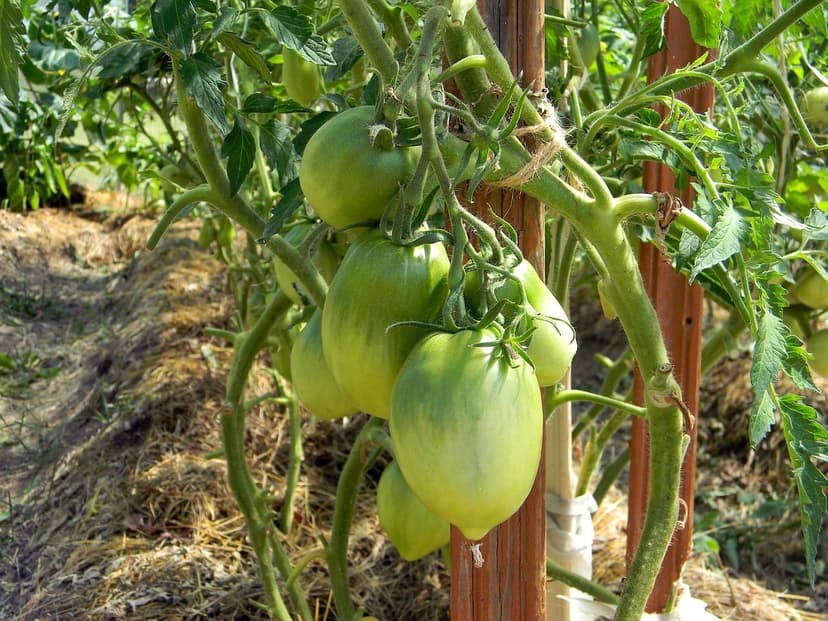
Biostimulants are revolutionizing modern agriculture, especially in greenhouse tomato cultivation. These products, which include beneficial microorganisms, natural extracts, and bioactive compounds, have the potential to improve soil health and plant productivity. In this article, we will explore how biostimulants can be effectively applied in tomato cultivation, their benefits, and best practices for their use in greenhouses.
Benefits of Biostimulants in Tomato
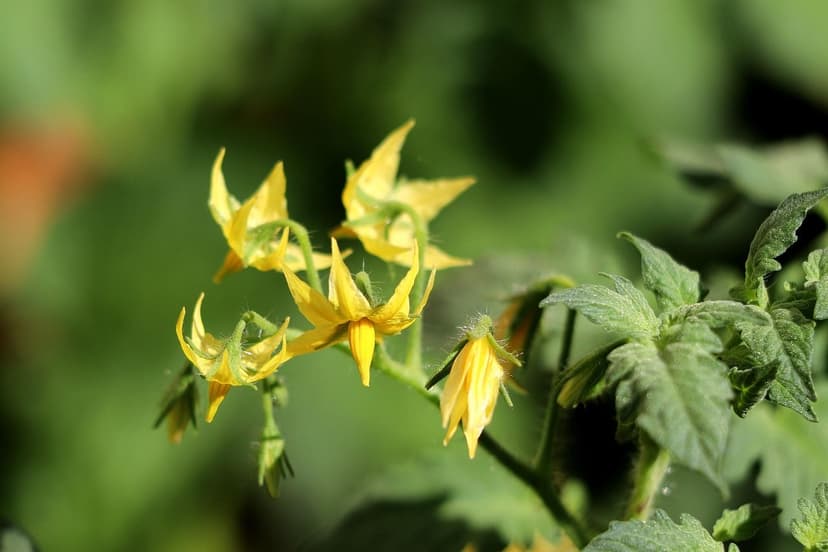
Biostimulants offer multiple benefits in tomato cultivation, going beyond simple nutrition. Among their main advantages are:
- Improved stress resistance: Biostimulants help plants tolerate adverse conditions, such as drought or extreme temperatures, promoting more robust growth. For example, a study conducted by the University of Córdoba found that the application of a humic acid-based biostimulant increased tolerance to water stress by 30% in tomato plants.
- Increased fruit quality: By optimizing plant nutrition and health, biostimulants contribute to the production of better-quality and tastier fruits. Research has shown that tomatoes treated with biostimulants have a 15% higher soluble solids content, resulting in better flavor and greater market acceptance.
- Root growth stimulation: They promote the development of stronger roots, which improves nutrient and water uptake. A greenhouse experiment showed that the use of a mycorrhiza-based biostimulant increased root volume by 40% compared to the untreated control. For more information, see the article on biostimulants and root growth.
- Disease reduction: Some biostimulants act as bioprotectants, helping plants resist pathogens and common diseases in greenhouses. The application of a seaweed extract-based biostimulant has been shown to reduce the incidence of foliar diseases by 25% in tomato crops.
Research and Evidence
Recent studies have shown that the application of biostimulants can result in a notable increase in tomato production, as well as an improvement in its quality. According to a report by the FAO, the use of biostimulants may be key to achieving more sustainable and profitable agriculture. For example, a meta-analysis of 50 studies showed that, on average, the use of biostimulants in tomato crops increased yield by 20% and improved fruit quality by 18%. Additionally, the implementation of biostimulants has been shown to reduce the use of chemical fertilizers by 25%, promoting more eco-friendly agriculture.
A study published in the journal Plant and Soil demonstrated that the application of microorganism-based biostimulants increased soil enzymatic activity, which translated into greater nutrient availability for plants. This increase in enzymatic activity can be crucial for improving fertilizer use efficiency, allowing farmers to reduce the amount of external inputs needed.
Application Techniques in Greenhouses
Proper application of biostimulants is crucial to maximize their benefits in tomato cultivation. Below are some effective techniques:
- Foliar application: This technique involves directly spraying biostimulants onto plant leaves, allowing for rapid absorption. It is recommended to perform this application during the early morning or late afternoon. Research indicates that foliar application can increase nutrient concentration in leaves by 50% compared to conventional irrigation. Furthermore, studies have shown that foliar application of amino acids can improve photosynthesis by 15%, resulting in more vigorous growth.
- Soil incorporation: Mixing biostimulants with the substrate or soil before sowing can help establish an optimal environment for root growth. Studies have shown that incorporating biostimulants into the soil improves its structure, increasing porosity and water retention, which greatly benefits young plants. For example, the incorporation of potassium humate has been shown to increase water retention capacity by 20% in sandy soils.
- Fertigation: Integrating biostimulants into the irrigation system allows for uniform and efficient distribution, ensuring that plants receive the appropriate dose during their development. A study from the University of Almería revealed that fertigation with biostimulants can increase water use efficiency by 30%, which is essential in regions with water scarcity. Additionally, fertigation with seaweed extracts has been shown to improve nutrient assimilation by 40% in tomato crops.
Practical Applications of Biostimulants in Greenhouses
In practice, several farmers have implemented biostimulants in their tomato crops with positive results. For example, on a farm in the Murcia region, a biostimulant based on seaweed extracts was applied during the vegetative growth phase, resulting in a 25% increase in crop yield compared to control plots. Fruit quality also improved, with an increase in size and sugar content. Furthermore, farmers reported a 30% reduction in the use of synthetic fertilizers.
In another case, a greenhouse tomato producer in northern Spain used a biostimulant based on amino acids during the flowering period. This not only increased the number of flowers that set into fruit but also reduced fruit drop by 40%, a common problem in greenhouses. The results were so promising that the farmer decided to incorporate th
Ecoganic products for this topic
NITROTECH 2.5
Total nitrogen (N)
≥ 2,5 %
K-FLOW 20
Potassium oxide (K₂O)
23,21 % p/p (measured)
Chloride: 3,23 % (measured)
View technical sheet →PHOSMAX 20
Phosphorus pentoxide (P₂O₅)
18,9 % p/p (measured)
Chloride: < 0,05 % (measured)
View technical sheet →Each datasheet publishes its guaranteed composition and, where available, the value measured at an accredited laboratory.
Related resources