

Introduction
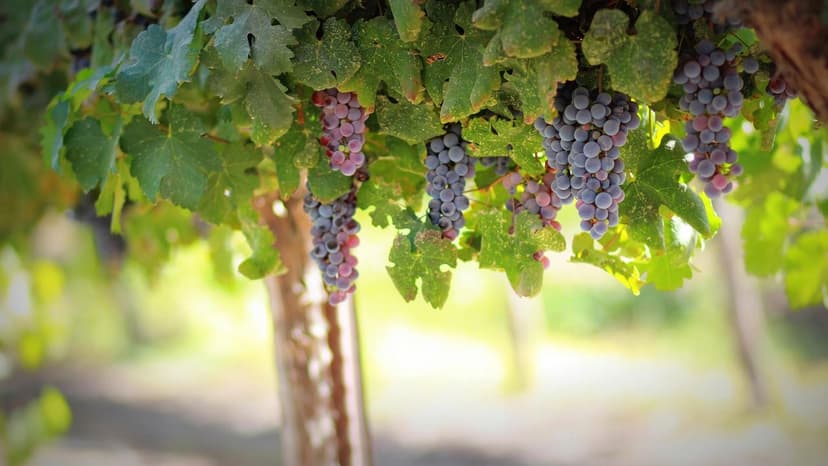
The use of biostimulants for disease control in grapevines has become a key strategy for viticulturists seeking to improve crop health and minimize the use of chemical products. These products, made from natural extracts and microorganisms, promote healthy plant growth and help combat pathogens that affect grape production. In this article, we will explore how biostimulants can be an effective solution for disease control in grapevines, and how Ecoganic positions itself as a leader in this technology.
What are biostimulants?
Biostimulants are substances or microorganisms that, when applied to plants, stimulate natural processes that improve nutrient uptake, stress tolerance, and crop quality. These products can contain a variety of components, including:
- Plant extracts
- Beneficial microorganisms
- Bioactive compounds
These elements work synergistically to enhance plant health and facilitate growth, which is especially useful in high-demand crops like grapevines. The application of biostimulants can help plants resist diseases and improve their response to adverse conditions.
Classification of biostimulants
Biostimulants can be classified into several categories based on their origin and function. The main categories include:
- Plant-based biostimulants: These are extracts obtained from plants that contain phytohormones, amino acids, and other bioactive compounds. For example, seaweed extract is known for its ability to improve resistance to water stress and increase photosynthetic activity.
- Microbial biostimulants: These include bacteria and fungi that establish symbiotic relationships with plant roots, improving nutrient uptake and resistance to pathogens. For instance, the application of Trichoderma spp. has proven effective in combating fungal diseases in grapevines.
- Mineral-based biostimulants: These contain minerals that can improve nutrient availability in the soil, such as silicon, which has been shown to increase plant resistance to diseases.
Effects of biostimulants on grapevines
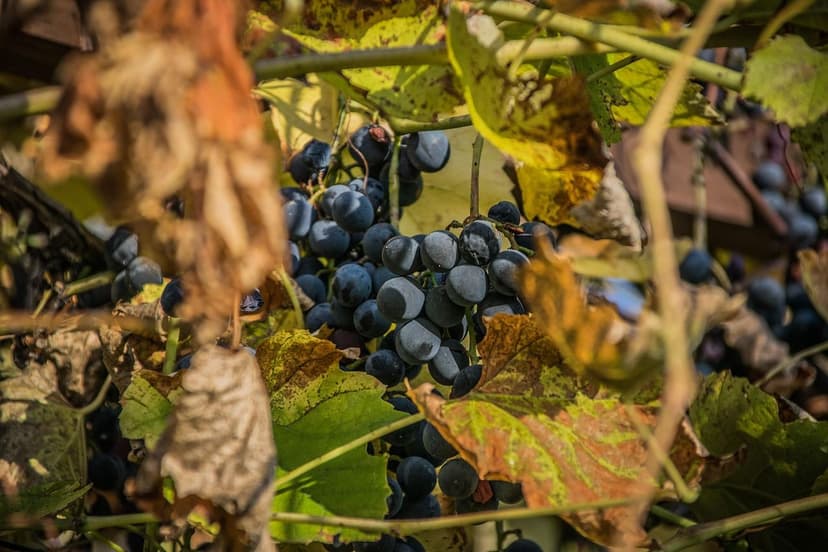
The application of biostimulants in grapevine cultivation has demonstrated positive effects on several aspects:
1. Improved disease resistance
Biostimulants can activate the plant's natural defenses, enhancing its resistance to common diseases such as downy mildew or botrytis. This is achieved by stimulating the production of secondary metabolites that act as barriers against pathogens. Studies have shown that biostimulant application can increase the activity of antioxidant enzymes in the plant, which in turn reduces cellular damage caused by pathogens.
For example, a study conducted in vineyards in the Bordeaux region showed that the application of a biostimulant based on seaweed extract reduced the incidence of downy mildew by 30% compared to conventional treatments. These types of results underscore the importance of integrating biostimulants into disease management practices in viticulture.
2. Increased grape quality
The use of biostimulants has also been associated with improvements in grape quality, including an increase in sugar and antioxidant content, resulting in higher quality wines. Studies have shown that regular application of these products can positively influence the organoleptic characteristics of the wine. An experiment conducted in Tempranillo vineyards revealed that the use of a specific biostimulant increased polyphenol content by 25%, contributing to greater complexity in the wine's flavor.
3. Sustainable management strategy
The implementation of biostimulants aligns with sustainable agriculture practices, which aim to reduce the use of agrochemicals and promote more environmentally friendly management. This not only benefits crops but also contributes to the health of the surrounding ecosystem. A life cycle assessment (LCA) conducted by researchers at the University of California found that the use of biostimulants can reduce the carbon footprint of viticulture by up to 40%, representing a significant step toward more sustainable practices.
Practical application of biostimulants
To maximize the benefits of biostimulants in grapevines, it is important to consider the following practices:
1. Proper product selection
Choosing the right biostimulant is crucial. At Ecoganic, we offer a range of biostimulants specifically formulated for viticulture. It is advisable to conduct a soil analysis and assess the plant's nutritional needs to select the most suitable product. For example, if a phosphorus deficiency is detected in the soil, a biostimulant containing phosphorus-solubilizing microorganisms could be the best option.
2. Timing of Application
The timing of application is essential for achieving optimal results. It is recommended to apply biostimulants during critical stages of vine growth, such as the start of bud break, flowering, and fruit development. This ensures the plant has the necessary support to cope with diseases and grow properly. A study in Italian vineyards showed that applying biostimulants during flowering increased the fruit set rate by 20%, resulting in higher grape yields. For more information on the best time to apply biostimulants, please refer to the related article.
3. Monitoring Results
It is important to track the results after applying biostimulants. This includes observing the overall health of the plants, disease levels, and production quality. The collected data can help adjust management strategies and optimize the use of biostimulants in future campaigns. Implementing a record-keeping system that tracks plant development and weather conditions can be highly beneficial. For instance, a winegrower in the La Rioja region began recording disease incidence and yields after applying biostimulants, which allowed them to identify patterns and improve their management strategy.
Related Articles
Discover our complete program: Biostimulants for Vine and Grape — technical application guide, phenological stages, and recommended products.
Related resources