

Introduction
Biostimulants are products increasingly used in European agriculture to improve crop quality. These compounds, made from natural extracts and beneficial microorganisms, have a positive impact on plant productivity and health. In this article, we will explore how biostimulants can transform your crops and maximize their quality, strengthening the link between sustainability and profitability.
What are biostimulants?
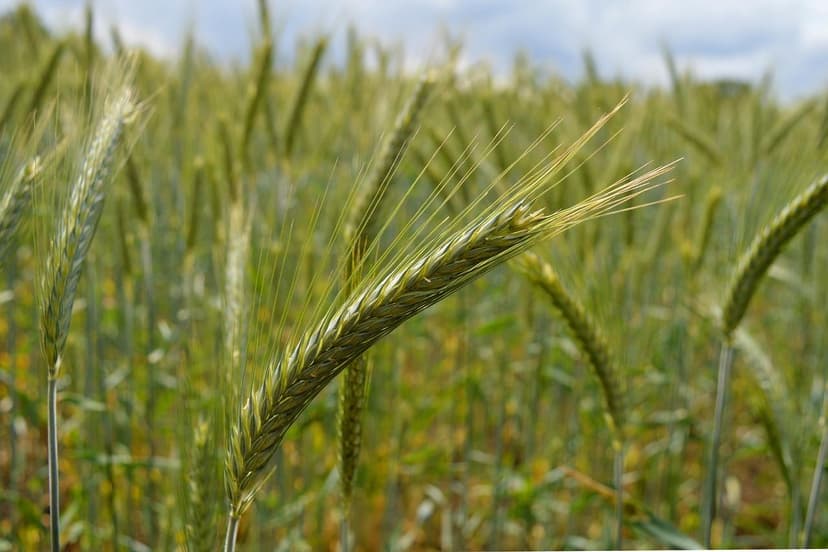
Biostimulants are substances that, when applied to plants or soil, improve nutrient availability and promote plant growth. Through biological processes, these products help plants overcome adverse conditions, such as droughts or nutrient-poor soils. In Europe, biostimulants are a key component of sustainable agriculture, aligning with environmental regulations and seeking more efficient production.
Classification of biostimulants
There are different types of biostimulants, which can be classified into:
- Plant extracts: derived from plants that stimulate growth and stress resistance.
- Microorganisms: bacteria and fungi that improve soil health and nutrient absorption.
- Bioactive compounds: substances that influence plant physiological processes.
Plant extracts
Plant extracts are products obtained from plants that contain phytohormones, amino acids, polysaccharides, and other bioactive compounds that promote plant growth and development. For example, seaweed extract is rich in auxins and cytokinins, which can increase germination rates and improve resistance to water stress. Studies have shown that applying seaweed extracts can increase the yield of crops such as corn and rice by 10-20% under stress conditions.
Mechanisms of action of plant extracts
Plant extracts act through various mechanisms. The phytohormones present, such as auxins and gibberellins, regulate cell growth and root elongation, optimizing water and nutrient absorption. Additionally, these extracts can induce the synthesis of proteins involved in stress response, improving plant tolerance. A study conducted on onion crops showed that the use of plant extracts increased the activity of antioxidant enzymes, contributing to better adaptation to abiotic stress conditions.
Microorganisms
Microorganism-based biostimulants include bacteria and fungi that establish symbiosis with plant roots, improving nutrient and water absorption. One example is the application of mycorrhizae, which can increase phosphorus absorption by up to 50% and improve the overall health of the root system. This is particularly beneficial in soils with low nutrient availability, where mycorrhizae can help plants access resources that would otherwise be out of reach.
Beneficial interactions of microorganisms
Microorganisms can also stimulate the production of root exudates, which attract other beneficial microorganisms and promote the formation of soil aggregates, improving soil structure. The application of Azospirillum, for example, has been shown to increase nitrogen fixation in maize crops, resulting in a reduced need for nitrogen fertilizers. In one study, maize crops treated with Azospirillum showed a 15% increase in yield compared to controls.
Bioactive compounds
Bioactive compounds such as amino acids, humic and fulvic acids, and other secondary metabolites play a crucial role in regulating physiological processes in plants. For example, the application of amino acids can stimulate protein synthesis and improve resistance to abiotic stress, resulting in more vigorous growth and higher crop quality. Research has shown that the application of amino acids can increase protein content in wheat and barley crops by 15-25%.
Function of humic and fulvic acids
Humic and fulvic acids are organic compounds that improve soil structure, increase cation exchange capacity, and facilitate nutrient availability. Their application has been shown to increase soil moisture retention, which is especially beneficial in drought-prone regions. A study on onion crops showed that the application of humic acids increased production by 20%, by improving water and nutrient use efficiency.
Benefits of biostimulants
The use of biostimulants brings multiple benefits that directly impact crop quality:
Improved soil quality
Biostimulants promote microbial activity in the soil, leading to greater fertility and a better nutrient balance. This translates into healthier and more productive crops. For example, applying microorganism-based biostimulants can increase soil microbial biomass by 30-50%, improving organic matter decomposition and nutrient availability for plants.
Increased soil biodiversity
The use of biostimulants also contributes to increasing soil biodiversity, which is essential for maintaining a healthy agricultural ecosystem. Soil with greater microbial diversity is more resilient to pests and diseases, which can reduce the need for pesticides. Studies have shown that biostimulants can increase the diversity of microbial species in the soil by 40%, resulting in a more balanced and productive system.
Enhanced stress resistance
Plants treated with biostimulants show greater tolerance to adverse conditions, such as droughts or high salinity, allowing for more robust growth even in difficult situations. Research has shown that crops treated with biostimulants can increase their yield under drought conditions by 20-40% compared to untreated ones. This is especially relevant in regions of Europe where water scarcity is a growing problem.
Improved nutrient use efficiency
Biostimulants also improve nutrient use efficiency, meaning plants can absorb and utilize nutrients more effectively. This not only reduces the need for fertilizers but also minimizes the risk of environmental contamination. A study conducted on rice crops showed that applying biostimulants increased nitrogen use efficiency by 30%, resulting in lower environmental impact and reduced costs for farmers.
Increased harvest quality
Biostimulants not only increase yield but also improve the quality of final products, which is crucial for European markets that value sustainability and quality. For example, the use of biostimulants has been observed to increase the sugar and nutrient content in fruits and vegetables, improving their flavor and nutritional value. Studies have indicated that tomatoes treated with biostimulants show a 15-25% increase in soluble solids content, translating into better flavor and market quality.
Practical applications

Implementing biostimulants in your crops can be a straightforward task if you follow some key recommendations:
Selecting the Right Product
It is essential to choose a biostimulant that suits the specific needs of your crops and soil conditions. Consult with experts or authorized distributors to select the product that best fits your requirements. For example, if you grow vegetables in sandy soils, you might opt for a biostimulant containing mycorrhizae to improve water and nutrient retention.
Integration into Agronomic Management
Biostimulants should be integrated into an agronomic management program that includes sustainable farming practices. This involves considering crop rotation, the use of organic fertilizers, and biological plant protection. Crop rotation not only improves soil health but can also enhance the effect of biostimulants. For instance, alternating between legume and grass crops can enrich the soil with nitrogen, boosting the effectiveness of biostimulants.
Evaluating Results
Monitor the results after applying biostimulants. Assess changes in plant health, soil quality, and crop yield. This evaluation will allow you to adjust your practices and maximize benefits. It is recommended to establish a monitoring system that includes soil and leaf analysis, as well as yield records, to determine the real impact of biostimulants on your crops.
Field Application Examples
There are numerous success stories in the application of biostimulants across different crops. In Spain, the use of an algae-based biostimulant in avocado production has been documented, resulting in a 30% increase in yield and improved fruit quality. In Italy, farmers who applied a microorganism-based biostimulant to their tomato crops reported a 25% reduction in chemical fertilizer use and a 15% increase in total yield.
Case Studies on Specific Crops
A study conducted on strawberry crops in the Netherlands showed that applying biostimulants based on seaweed extracts led to a 20% increase in fruit size and a 30% increase in total production. This increase is attributed to improved photosynthesis rates and root activity, facilitated by the bioactive compounds present in the extract.
Another notable case is that of vineyards in France, where the application of a microorganism-based biostimulant improved resistance to diseases such as downy mildew. Viticulturists reported a 40% reduction in the incidence of this disease, resulting in a 25% increase in the production of high-quality grapes, ideal for premium winemaking.
Economic aspects of implementing biostimulants
Investing in biostimulants may seem like an additional expense, but studies have shown that the return on investment (ROI) can be significant. An analysis conducted on corn crops in Germany showed that each euro invested in biostimulants generated a return of up to 6 euros in terms of increased yield and reduced input costs. This is due to the reduced reliance on chemical fertilizers and the long-term improvement of soil health.
Furthermore, certification for organic and sustainable products is increasingly valued in the market. Farmers who choose biostimulants can access premium prices for their products, contributing to the profitability of their operations.
Related articles
Need professional help?
At Ecoganic, we offer certified Biostimulants and Organic Fertilizers.
Request your free quote
Customer decision
When considering the use of biostimulants in your crops, it is vital to analyze the options available on the market. Ecoganic offers a range of biostimulants and organic fertilizers designed to optimize agricultural production sustainably. Consulting with experts can guide you in selecting the most suitable products for your crops, ensuring an effective and profitable investment.
Future perspectives
Research on biostimulants is constantly evolving, and new formulations and applications are expected to be developed in the coming years. Biotechnology and microbial genetics are opening up new possibilities to create more effective and specific biostimulants for different crops and soil conditions.
Furthermore, the growing demand for sustainable agricultural practices and the pressure to reduce the use of agrochemicals are driving the adoption of biostimulants in Europe. The European Union's agricultural policies are increasingly focused on supporting the transition towards more sustainable farming methods, which will further benefit the implementation of biostimulants in agriculture.
Research and development of new biostimulants
The field of biostimulants is constantly expanding thanks to scientific research and technological development. Universities and research centers are working on identifying new microorganisms and plant extracts that can be used as biostimulants. For example, strains of Bacillus and Trichoderma have been identified that not only improve nutrient uptake but also act as biological control agents, reducing the incidence of soil pathogens. These advances could lead to the creation of multifunctional biostimulants that provide several benefits at once.
Impact of biostimulants on agricultural sustainability
The use of biostimulants significantly contributes to agricultural sustainability. By improving nutrient and water use efficiency, biostimulants help reduce the need for chemical fertilizers and pesticides, which in turn decreases soil and water pollution. Furthermore, their ability to improve soil health fosters microbial biodiversity, which is essential for a healthy agricultural ecosystem. A study in precision agriculture has shown that the use of biostimulants can reduce the application of chemical inputs by up to 30%, contributing to a more sustainable and ecological approach in agriculture.
Biostimulants and climate change
With climate change affecting growing conditions in Europe, biostimulants can play a crucial role in adapting agriculture to these changes. Plants treated with biostimulants show greater tolerance to extreme weather conditions, such as high temperatures and prolonged droughts. A recent study demonstrated that corn crops treated with biostimulants better withstood heatwaves, maintaining a more stable yield compared to untreated crops. This not only ensures food production but also helps farmers adapt to a changing climate.
Collaborations and networks in the industry
Collaboration between farmers, researchers, and biotechnology companies is essential for advancing the use of biostimulants. Research networks and innovation platforms are emerging across Europe to foster the exchange of knowledge and experiences. These collaborations not only help develop new products but also facilitate the adoption of biostimulants in agricultural practice. For example, initiatives such as the Horizon 2020 project have funded research on biostimulant development, promoting their use in commercial crops and contributing to sustainable agriculture.
Challenges in implementing biostimulants
Despite the benefits, the adoption of biostimulants faces certain challenges. A lack of information and knowledge about their proper use can limit their effectiveness. Additionally, variability in the quality of products available on the market can make selection difficult. It is essential for farmers to educate themselves on the characteristics of biostimulants and conduct trials under their specific conditions before large-scale implementation.
Regulations and standards in Europe
Legislation in Europe is evolving to regulate the use of biostimulants, which can influence their availability and use. The EU has established a regulatory framework that includes evaluating the safety and efficacy of these products before they are marketed. This is positive for farmers, as it ensures that biostimulants are safe and effective. However, it can also create barriers to innovation and the development of new products, so it is important to find a balance between regulation and progress.
Innovations in biostimulants
Innovation in biostimulant formulation is advancing rapidly. New technologies, such as microorganism encapsulation and controlled nutrient release, are improving the efficacy of these products. For instance, encapsulation allows microorganisms to survive adverse conditions during transport and storage, ensuring their viability at the time of application. Furthermore, biostimulants that combine multiple mechanisms of action are being developed, making them comprehensive solutions for modern agriculture.
The role of precision agriculture
Precision agriculture is revolutionizing the way biostimulants are used. Through the use of sensor technology, drones, and data analysis, farmers can identify the specific needs of their crops and apply biostimulants more efficiently. This not only maximizes the impact of biostimulants but also reduces waste and associated costs. For example, using nutrient variability maps allows farmers to apply biostimulants only in the areas that need them most, optimizing resources and improving sustainability.
Frequently Asked Questions
Are biostimulants safe for the environment?
Yes, biostimulants are formulated with natural ingredients that are safe for the environment and help promote sustainable agricultural practices.
How long does it take to see results when using biostimulants?
Results may vary depending on the type of biostimulant and growing conditions, but improvements in plant health and soil quality can generally be observed within a short period of time.
Is it necessary to use biostimulants on every crop?
Not necessarily. The application of biostimulants depends on the specific needs of each crop and soil quality. It is advisable to conduct a prior analysis to determine their necessity.
Where can I purchase quality biostimulants?
You can purchase biostimulants through authorized distributors or directly from specialized companies like Ecoganic, which offers products designed to improve the quality of European crops.