

What is heat stress in avocado?
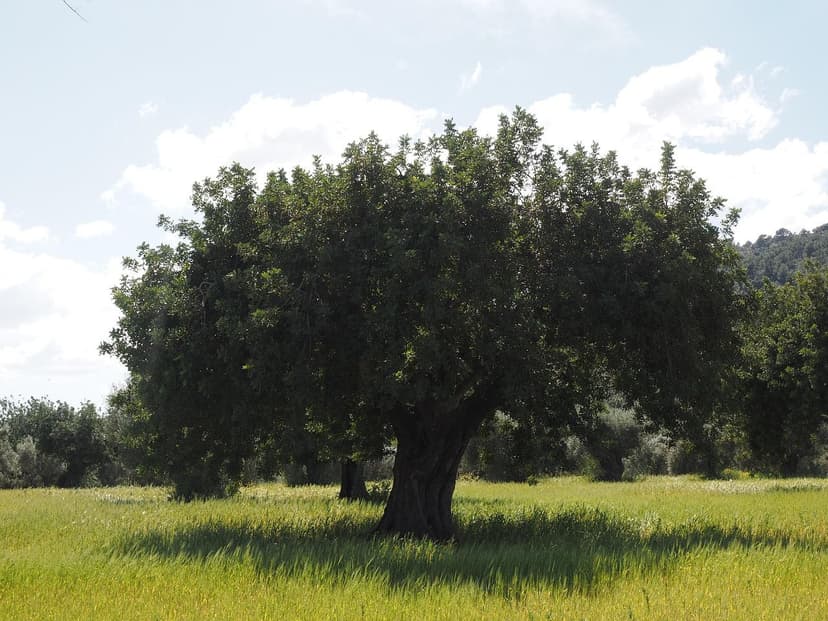
Avocado (Persea americana) is a subtropical crop that has expanded rapidly in warm regions of Spain, such as Málaga, and in Latin America. However, rising extreme temperatures, with increasingly frequent heatwave episodes, cause a phenomenon known as heat stress. This thermal stress occurs when temperatures exceed the crop's optimum threshold (around 30-35°C), affecting key physiological processes such as photosynthesis, transpiration and nutrient uptake.
Typical symptoms include leaf wilting, fruit sunburn, premature fruit drop and reduced calibre. In severe cases, the tree may suffer permanent damage to vascular tissue, compromising both the current season's production and the next. Thermal biostimulation in avocado is presented as an agronomic tool to help trees cope with these adverse conditions, improving their resilience without resorting to synthetic chemicals.
Physiology of thermal stress in Persea americana
To understand the scale of the problem, it is essential to analyse what happens at cellular level when avocado is exposed to temperatures above 35°C. At the same time, stomatal conductance drops sharply as a water-conservation mechanism, reducing internal CO₂ availability and aggravating photorespiration. This phenomenon generates an increase in the production of reactive oxygen species (ROS) in the chloroplasts, particularly hydrogen peroxide (H₂O₂) and superoxide radicals (O₂⁻), which oxidise membrane lipids, proteins and nucleic acids.
The avocado's vascular system is also compromised. High temperatures increase transpirational demand, but root uptake capacity cannot always compensate, generating internal water tensions that cause cavitation in the xylem vessels. This cavitation is partially reversible, but in prolonged episodes it can cause permanent embolisms that compromise the viability of entire branches.
Another critical aspect is the alteration of hormone synthesis. Thermal stress induces the production of abscisic acid (ABA), which promotes stomatal closure, but also inhibits the synthesis of gibberellins and cytokinins, hormones essential for cell division and fruit development. This hormonal dysregulation explains the higher incidence of small and deformed fruit in seasons with prolonged heatwaves.
Thermal biostimulation: mechanisms of action
Thermal biostimulation consists of the application of biostimulants that activate the plant's natural defence mechanisms against abiotic stress. These products, regulated by Regulation (EU) 2019/1009, may claim improvements in tolerance to abiotic stress, nutrient use efficiency and harvest quality. They are not plant protection products, so they do not control pests or diseases, but they do help the plant to withstand extreme environmental conditions.
Mechanisms involved
- Osmotic regulation: biostimulants can induce the accumulation of osmolytes such as proline and glycine betaine, which help to maintain cellular water balance.
- Antioxidant activation: the production of enzymes such as catalase and superoxide dismutase is stimulated, which neutralise the reactive oxygen species generated by heat stress.
- Improved photosynthesis: certain compounds protect photosystem II, maintaining photosynthetic efficiency even at high temperatures.
- Root system stimulation: better root development favours water and nutrient uptake, offsetting the higher transpirational demand.
These mechanisms are especially relevant in avocado, a crop sensitive to water and heat stress. The application of biostimulants at critical points in the cycle, such as flowering and fruit set, can make the difference in final production.
Biochemical pathway of induced thermotolerance
Thermotolerance induced by biostimulants relies on the activation of heat shock proteins (HSPs), particularly the HSP70 and HSP90 families. These proteins act as molecular chaperones, facilitating the correct folding of proteins denatured by heat and preventing their cytotoxic aggregation. Foliar application of algae extracts rich in betaines and polyphenols can favour the gene expression of these chaperones, so that the plant better maintains the functionality of its proteins under heat stress; the magnitude of this response depends on the intensity and duration of the heat, the phenological stage and the nutritional status of the tree.
Another crucial mechanism is the activation of the calcium-dependent signalling pathway. Biostimulants containing chelated calcium and amino acids can increase the cytosolic Ca²⁺ concentration, which acts as a second messenger to activate transcription factors such as HSF (Heat Shock Factors). These factors regulate the expression of stress-response genes, including the synthesis of osmolytes and antioxidant enzymes.
The efficiency of photosystem II, measured by chlorophyll fluorescence (Fv/Fm parameter), is a key indicator of photosynthetic health under stress. Under normal conditions, the Fv/Fm value in avocado ranges between 0.78 and 0.83. During episodes of extreme heat, this value can fall below 0.60, indicating severe photoinhibition.
Freshwater microalgae: cultivated in freshwater, not harvested from the sea
Various algae-based biostimulants are available on the market. Most use marine macroalgae (such as Ascophyllum nodosum or Ecklonia maxima), which provide
What is thermal biostimulation in avocado?
Thermal biostimulation is the application of biostimulants that activate the plant's natural mechanisms to tolerate heat stress, such as the accumulation of osmolytes and antioxidants, improving its resilience to heat shock.
Can biostimulants prevent heat shock in avocado?
They cannot prevent the climatic phenomenon, but they help the tree to withstand it better, reducing damage to leaves and fruit, and maintaining production.
Are they compatible with organic farming?
Yes, Ecoganic products are certified for organic farming under Regulation (EU) 2018/848, USDA NOP, JAS and ECOCERT, so they are suitable for organic production.
How are biostimulants applied?
They are generally applied by foliar application, following the doses recommended by the manufacturer, at critical times such as before a heatwave or during flowering.
Where can I buy these products?
You can contact Ecoganic at sales@ecoganic.eu or by calling +34 623 753 719 to receive advice and request a quote.


