Introduction
Sustainable agriculture in Latin America faces the challenge of increasing productivity while preserving natural resources. In this context, biostimulants emerge as key tools for improving crop efficiency. These compounds, which include natural extracts and beneficial microorganisms, are used to optimise plant nutrition and increase resistance to abiotic and biotic stress. The use of biostimulants is crucial to address growing food needs without compromising soil and environmental health.
Biostimulants offer a sustainable solution that adapts to the unique conditions of the tropical and subtropical soils and climates of Latin America. By encouraging more robust and resilient plant growth, these products help growers face the challenges of climate change, soil degradation and reduced fertility.
Importance of Biostimulants
Impact on Nutrient Uptake
The importance of biostimulants lies in their ability to improve crop efficiency sustainably. This is achieved through the activation of specific metabolic pathways that facilitate the uptake of nutrients such as nitrogen, phosphorus and potassium, essential for plant growth. This process is particularly significant in soils with low fertility, typical of many Latin American regions.
Reduction in the Use of Chemical Fertilizers
Biostimulants contribute to sustainability by reducing the need for chemical fertilizers, which decreases soil and water pollution. An IFOAM trial indicates that biostimulants can also improve the quality of the final product, increasing the nutrient content of fruits and vegetables, which translates into added value for local and international markets.
Coffee
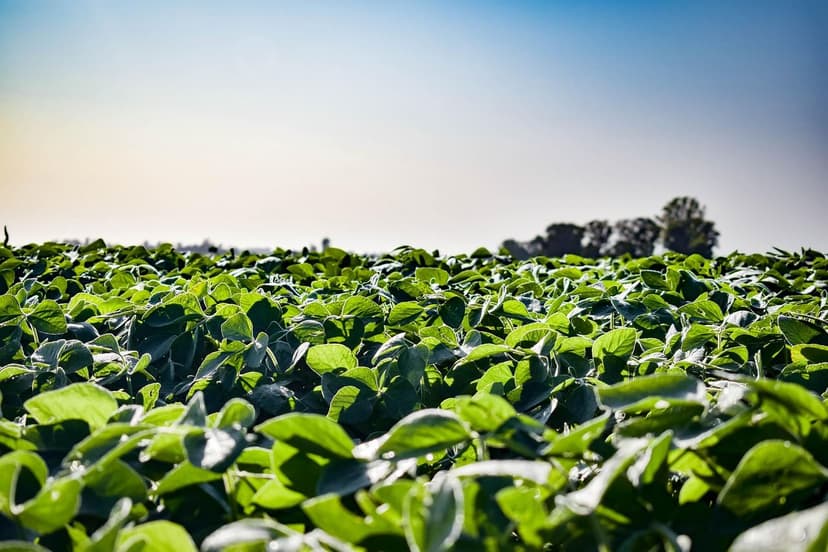
In Latin America, the use of biostimulants is adapted to a range of key crops such as coffee, cocoa, avocado, maize and soya. For example, in coffee crops, known for their high nutrient demands, biostimulants can increase fertilizer use efficiency and improve resistance to fungal diseases common in humid climates.
Avocado
Avocado, a high-value crop in international markets, also benefits from biostimulants, which can improve water retention and resistance to water stress, a crucial advantage in areas prone to drought.
Mechanisms of Action

Stimulation of Enzyme Activity
Biostimulants act at the physiological and biochemical level in plants. One of their mechanisms is the stimulation of enzyme activity, which improves the uptake of essential nutrients such as nitrogen, phosphorus and potassium. This translates into more vigorous growth and greater resistance to adverse conditions. For example, biostimulants containing salicylic acid can activate signalling pathways that improve protein synthesis and energy metabolism in plants.
Promotion of Microbial Activity
In addition, biostimulants promote soil microbial activity. The presence of beneficial microorganisms such as nitrogen-fixing bacteria and mycorrhizal fungi improves soil structure and increases nutrient availability, which is essential for long-term soil health.
Resistance to Pests and Diseases
The agronomic benefits of biostimulants are numerous and range from increased yield to improved product quality.
Profitability and Sustainability
In terms of profitability, biostimulants can reduce production costs by optimising input use. In addition, biostimulants contribute to sustainability by improving soil biodiversity, which is fundamental to the resilience of agricultural ecosystems. The promotion of regenerative agricultural practices through the use of biostimulants is a key approach to ensuring sustainable food production in the future.
What are biostimulants?
Biostimulants are substances or microorganisms applied to plants to improve their growth, health and stress resistance. They include natural extracts and bioactive compounds.
How do biostimulants benefit the soil?
Biostimulants improve soil structure and promote microbial activity, which increases nutrient availability and long-term soil health.
What is the economic impact of biostimulants?
Biostimulants can reduce production costs by optimising input use, increasing agricultural profitability and efficiency.
Are biostimulants suitable for all crops?
Yes, biostimulants are versatile and can be adapted to a wide variety of crops, improving nutrient efficiency and stress resistance under different conditions.