

Discover the use of biostimulants in organic tomato production and improve the health of your crops. Contact us for more information and advice.
Introduction
Organic tomato production has gained ground in recent years, driven by the growing demand for sustainable and healthy food. In this context, the use of biostimulants has become a key strategy to optimize crop health and improve yield. Biostimulants are natural substances that stimulate biological processes in plants, contributing to better nutrition and stress resistance. In this article, we will explore how to use biostimulants in organic tomato production, their benefits, and how they can transform agricultural productivity.
Benefits of Biostimulants
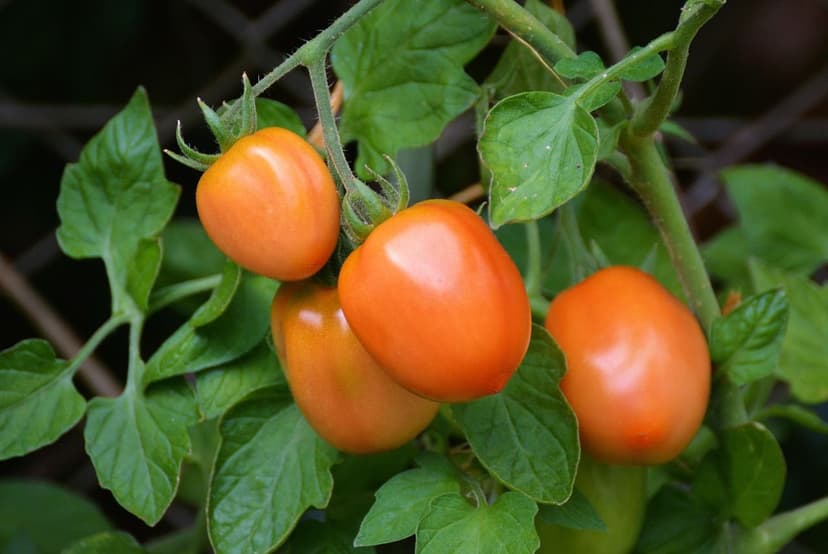
Biostimulants offer a variety of benefits that directly impact tomato production. Some of these benefits include:
- Improved nutrient absorption: Biostimulants facilitate the availability of nutrients in the soil, promoting better assimilation by plants. This is because many biostimulants, such as seaweed extracts, contain compounds that can chelate nutrients, making them more accessible. A study conducted by the National Institute of Agricultural Technology (INTA) in Argentina revealed that the use of seaweed-based biostimulants increased nitrogen absorption by 40% in tomato crops.
- Increased stress resistance: These products help plants tolerate adverse conditions such as drought or disease, improving their overall health. For example, certain beneficial microorganisms have been shown to induce the production of secondary metabolites that act as antioxidants, protecting plants from oxidative stress. Research at the University of California showed that the use of a microorganism-based biostimulant increased resistance to water stress by 30% in tomato crops.
- Growth stimulation: By promoting microbial activity in the soil, biostimulants stimulate root and leaf development, which can result in more robust plants. A study published in "Plant and Soil" reported a 30% increase in root biomass of tomato plants treated with biostimulants compared to untreated ones. Additionally, a 20% increase in plant height was observed, indicating more vigorous growth.
- Improved fruit quality: Biostimulants can influence tomato quality, positively affecting aspects such as flavor, color, and texture. Research indicates that the use of certain biostimulants can increase the content of sugars and phenolic compounds, thereby improving palatability. An analysis conducted by the University of Córdoba revealed that tomatoes treated with biostimulants had 15% more soluble solids, which translates to a sweeter flavor.
Types of Biostimulants Used in Tomato
There are different types of biostimulants that can be used in tomato production, each with specific mechanisms of action:
- Seaweed extracts: These biostimulants are rich in plant hormones such as auxins and cytokinins, as well as essential micronutrients. Studies have shown that the application of seaweed extracts can increase seed germination and growth rate. A study at the University of Huelva demonstrated that seaweed extracts applied to tomato seedlings increased the germination rate by 25% compared to the control group.
- Beneficial microorganisms: Bacteria and fungi such as Rhizobium and Mycorrhiza improve soil health and nutrient uptake. For example, the application of mycorrhizae has been shown to increase phosphorus absorption by 50%, a critical nutrient for tomato development. A trial at the University of São Paulo showed that inoculation with mycorrhizae increased yield by 18% compared to non-inoculated plants.
- Organic compounds: Substances that improve soil structure and biological activity. Humic and fulvic acids, for example, not only enhance water retention but also stimulate microbial activity, resulting in more fertile soil. A study at the Agronomic Institute of Campinas showed that the application of humic acids increased soil microbial activity by 35%, leading to a 20% increase in tomato yield.
Mechanisms of Action of Biostimulants
Biostimulants operate through various mechanisms that affect both the plant and the soil. These mechanisms include:
- Metabolism modulation: Biostimulants can influence plant metabolic pathways, increasing the production of growth-promoting phytohormones. For example, seaweed extracts have been shown to stimulate auxin synthesis, which is essential for root development and cell elongation.
- Stimulation of microbial activity: Many biostimulants promote the activity of beneficial microorganisms in the soil, which can enhance the decomposition of organic matter and nutrient availability. This translates into increased soil fertility and better overall plant health.
- Resistance induction: Some biostimulants can induce defense mechanisms in plants against pathogens and pests. For instance, certain plant extracts have been observed to increase the production of secondary metabolites that act as natural defenses, thereby improving disease resistance.
- Water stress regulation: Biostimulants can also help plants manage water stress by improving soil structure and increasing water retention. This results in greater water availability for roots, which is crucial under drought conditions.
Application of Biostimulants in Tomato
The application of biostimulants in tomato should be strategic to achieve the best results. Below are some recommendations:
Key Application Timing
Biostimulants can be applied at different stages of the crop:
- Before sowing: Apply to the soil to improve microbiology and nutrient availability. This may include incorporating beneficial microorganisms into the substrate, preparing the ground for optimal growth. A study in greenhouses in Italy demonstrated that applying a microorganism-based biostimulant before sowing led to a 40% increase in the population of beneficial microorganisms in the soil.
- During vegetative growth: Apply foliarly or to the soil to stimulate development and disease resistance. For example, a foliar treatment with seaweed extracts at this stage can result in a 15% increase in vegetative growth compared to untreated plants. A trial in the state of Michoacán, Mexico, showed that the use of biostimulants during vegetative growth improved plant health and reduced pest incidence by 30%.
- Before flowering and fruiting: Applications at this stage can improve fruit quality and increase yield. A study conducted in greenhouses showed that applying biostimulants at this stage increased fruit production by 25% and improved the organoleptic quality of the tomatoes produced. In research in the state of Baja California, it was observed that tomatoes treated during this phase had 20% more total sugars, resulting in better flavor.
Dosage and Application Methods
Biostimulant dosages vary depending on the product and the crop stage. It is important to follow the manufacturer's recommendations and conduct efficacy tests in the field. Application methods include:
- Foliar application: Directly onto the leaves, ensuring rapid absorption. This method is recommended under conditions of high humidity and moderate temperatures, where transpiration is high, facilitating product penetration. In a trial at the University of León, foliar application of a biostimulant under optimal conditions was found to increase efficacy by 25% compared to applications under unfavorable conditions.
- Soil application: Incorporating the biostimulant into the substrate to improve microbial activity. This can be done through drip irrigation or by direct incorporation into the soil, ensuring uniform distribution and adequate root contact. A study at the National Institute of Forestry and Agricultural Research (INIFAP) demonstrated that soil application via drip irrigation improved biostimulant efficacy by 30% compared to manual application.
- Direct inoculation: In the case of beneficial microorganisms, direct inoculation onto the roots can be an effective strategy. This method allows microorganisms to establish a faster symbiosis with plant roots, optimizing nutrient uptake from the start. A study at the University of Granada showed that direct inoculation with Mycorrhiza resulted in a 40% increase in growth rate during the first weeks of plant development.
Related articles
- Efficient Irrigation Strategies for Biostimulants in Tomato
- Biostimulants for Tomato: Application and Results
- Biostimulants vs Fertilizers: Key Differences
Need Professional Help?
At Ecoganic in Spain, Europe, we offer certified Biostimulants and Organic Fertilizers. Call us: +34 623 753 719.
Results and Effects
The results of applying biostimulants in tomato production can be significant. Studies have shown that the use of biostimulants can lead to an increase in yield, as well as an improvement in the quality of the final product. Below are some observed results:
- Yield increase: Crops treated with biostimulants have shown production increases of up to 20% compared to untreated controls. In a field trial, tomatoes treated with a microorganism-based biostimulant achieved yields of 80 tons per hectare, compared to 66 tons per hectare in the control group. A study at the University of Valencia also reported a 22% increase in tomato yield when using biostimulants, highlighting the consistency of these results across different growing conditions.
- Quality improvement: Tomatoes produced with biostimulants have been rated higher in taste and texture. Taste tests have shown that tomatoes treated with biostimulants scored an average of 8.5 out of 10 in flavor, compared to 7.0 for untreated ones. Additionally, laboratory analyses revealed a 30% increase in phenolic compounds in treated tomatoes, contributing to their nutritional value.
- Reduction of chemical residues: By using biostimulants, farmers can reduce their reliance on chemical fertilizers and pesticides, contributing to more sustainable agriculture. A study conducted in tomato-producing regions of Italy showed that the use of biostimulants allowed farmers to reduce fertilizer use by 25% without compromising yield, reflecting a positive impact on both the economy and the environment.
Practical Field Application Examples
The application of biostimulants in tomato cultivation has been the subject of numerous studies and field practices. Here are some practical examples:
- Use of Seaweed Extracts: A farmer in the Murcia region of Spain applied seaweed extracts to his tomato crops during the growth cycle. He observed a 30% increase in the number of fruits per plant and a 40% reduction in the incidence of fungal diseases, which allowed him to minimize the use of traditional fungicides. Additionally, an improvement in fruit quality was reported, with a 15% increase in sugar content.
- Application of Beneficial Microorganisms: In a trial conducted in Brazil, tomato seedlings were inoculated with a mixture of growth-promoting bacteria. As a result, a 25% increase in plant height and a 50% reduction in seedling mortality under adverse conditions were documented. This approach not only improved growth but also increased plant survival in less optimal soils.
- Organic Compounds in the Soil: In a research project in Argentina, humic acids were applied to degraded soils used for tomato cultivation. The results showed an improvement in soil structure and a 15% increase in moisture retention, which translated into a 20% increase in tomato yield. This type of intervention is crucial in areas with degraded soils, where restoring soil health can lead to significant improvements in agricultural production.
- Use of Combined Biostimulants: In an experiment in the state of Jalisco, Mexico, the application of seaweed extracts and beneficial microorganisms was combined in tomato crops. The results showed a 35% increase in yield and a notable improvement in fruit quality, with a 20% increase in antioxidant content. This strategy of combining biostimulants highlights the importance of a holistic approach in sustainable agriculture.
- Implementation of Biostimulants in Mixed Cropping Systems: In a study in northern Spain, biostimulants were applied to tomato crops intercropped with legumes. This practice not only improved tomato health but also increased nitrogen fixation in the soil, resulting in a 30% increase in yield. This approach also promotes agroecosystem biodiversity, contributing to more sustainable and resilient production.
- Use of Biostimulants in Integrated Fertilization Strategies: In a research project in Italy, an integrated fertilization system was implemented combining biostimulants with organic fertilizers. Results showed that this combination improved soil nutrient availability and increased tomato yield by 28% compared to using organic fertilizers alone. Additionally, the nutritional quality of the tomatoes was superior, with a 15% increase in vitamin C content.
Success Stories in Biostimulant Application
Several case studies have demonstrated the positive impact of biostimulants on tomato production. A notable case occurred in southern Italy, where a farmer applied a biostimulant based on seaweed extracts to his tomato crop for three consecutive seasons. Results showed an average 30% increase in production and improved disease resistance, allowing him to reduce fungicide use by 50%.
Another example took place in a greenhouse in California, where a biostimulant regime was implemented combined with precision agriculture practices. A 20% reduction in water use was recorded, while tomato yield increased by 15%. This approach not only improved crop sustainability but also optimized operational costs.
Future Perspectives in Biostimulant Use
The future of biostimulants in agriculture, especially in tomato production, looks promising. With advances in biotechnology and research in this field, new, more effective and specific biostimulants are being developed for various growing conditions. Recent studies suggest that combining biostimulants with emerging technologies, such as precision agriculture and the use of drones for product application, could revolutionize how tomato crops are managed, maximizing benefits and minimizing environmental impact.
In conclusion, integrating biostimulants into organic tomato production not only helps improve yield and fruit quality but also promotes more sustainable and resilient agricultural practices. As research and technology continue to advance, the adoption of biostimulants is expected to grow, offering new opportunities for farmers and contributing to global food security.
Frequently Asked Questions
What are biostimulants?
Biostimulants are natural products that enhance biological processes in plants, promoting healthy growth and optimizing nutrient uptake.
How are biostimulants applied to tomatoes?
They can be applied before sowing, during vegetative growth, and before flowering, using methods such as foliar application or soil application.
Are biostimulants safe for the environment?
Yes, biostimulants are made from natural components and are a sustainable alternative to chemical fertilizers, contributing to more eco-friendly agriculture.
What are the benefits of using biostimulants?
They improve nutrient absorption, increase stress resistance, stimulate growth, and enhance fruit quality.
Where can I purchase quality biostimulants?
At Ecoganic, we offer a range of biostimulants and plant nutrition solutions. Contact us for specialized advice on agricultural production.