

Explore the trends in the use of bioprotectants for tropical crops in 2026 and boost agricultural sustainability and productivity with Ecoganic.
Introduction
In 2026, the use of bioprotectants in tropical crops is experiencing a significant boom, driven by the need for more sustainable and effective solutions in agriculture. Bioprotectants, which include natural extracts and beneficial microorganisms, are being adopted as viable alternatives to traditional chemical pesticides. This article explores current trends in the use of bioprotectants, their importance in sustainable agriculture, and how they can improve productivity in tropical crops.
Importance of Bioprotectants
Bioprotectants play a crucial role in modern agriculture, as they help manage diseases and pests without the negative effects associated with synthetic chemicals. Their use not only protects crops but also promotes soil health and agroecological biodiversity. In a context where sustainability is a priority, bioprotectants emerge as an effective solution for farmers seeking to minimize their environmental impact and improve profitability.
Benefits of Bioprotectants
- Reduction of Chemical Residues: By using bioprotectants, dependence on chemicals that can leave hazardous residues on crops is reduced.
- Improved Soil Health: Many bioprotectants contribute to soil microbiota, enhancing its fertility and structure. For example, the application of Mycorrhizae has been shown to increase water retention in sandy soils by 30%.
- Increased Plant Resilience: Bioprotectants can help plants better tolerate biotic and abiotic stress. Research has shown that the use of Azospirillum can increase drought resistance in maize crops, improving production under water stress conditions.
- Improved Product Quality: Bioprotectants can positively influence the quality of agricultural products, increasing nutrient content and improving organoleptic characteristics. For example, the use of Pseudomonas fluorescens in strawberry crops has been observed to increase antioxidant content, resulting in more nutritious fruits.
Current Trends in Bioprotectants
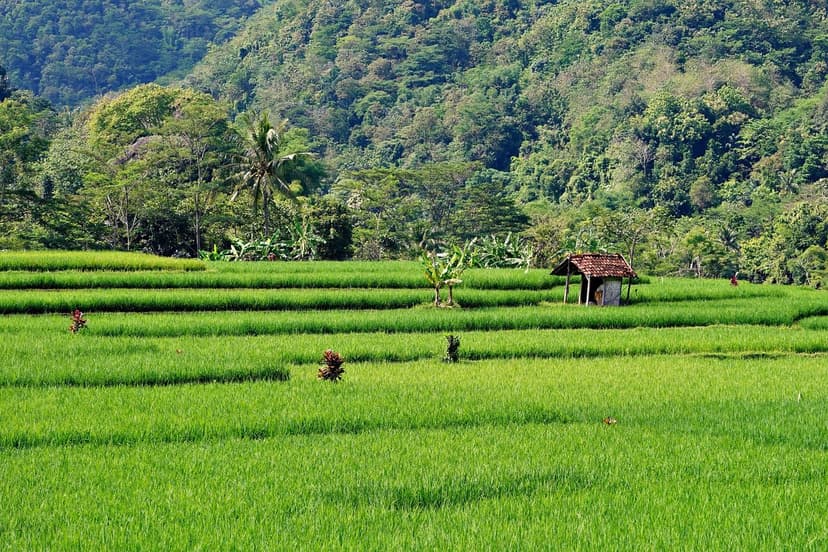
Trends in the use of bioprotectants for tropical crops in 2026 focus on innovation and adaptation to the specific needs of farmers. Some of the most notable include:
1. Use of Beneficial Microorganisms
The use of microorganisms such as beneficial bacteria and fungi is on the rise. These organisms not only control pests but also improve nutrient uptake and disease resistance. For example, Bacillus thuringiensis is a bacteriophage that has been widely used to control caterpillars in maize and cotton crops, showing over 90% efficacy in field studies. Additionally, inoculating crops with Trichoderma harzianum has been shown to increase resistance to diseases such as the fungus Fusarium in banana crops, resulting in a 30% increase in production. Recently, studies in coffee crops have revealed that combining Pseudomonas fluorescens with integrated pest management (IPM) practices can reduce coffee rust incidence by 50%, providing a more sustainable and effective approach.
2. Natural Plant Extracts
Plant extracts such as neem, cinnamon, and garlic are being used more widely for their antifungal and insecticidal properties. These extracts are valued for their safety and effectiveness. A study conducted on tomato crops showed that applying neem extract reduced the incidence of pests like whitefly by 60%, leading to a yield increase of up to 25%. Additionally, the use of garlic extracts has demonstrated repellent properties against various insects, contributing to a reduction in the use of chemical pesticides. Recent research has indicated that cinnamon extract not only acts as an insecticide but also possesses fungicidal properties that can control pathogenic fungi in strawberry crops, achieving a 70% reduction in the incidence of fungal diseases. Likewise, eucalyptus extract has been found to have repellent effects on thrips, a common pest in vegetable crops, enhancing the effectiveness of biological control.
3. Development of Combined Formulas
The trend toward creating products that combine different bioprotectants is gaining popularity. These formulas offer a more comprehensive approach to pest and disease management. For example, a product combining Bacillus subtilis and neem extract has shown promising results in controlling diseases in citrus crops, achieving a 75% reduction in the incidence of foliar diseases while also improving fruit quality. Furthermore, the combination of microorganisms such as Trichoderma with plant extracts has proven effective in combating root rot in vegetable crops, increasing yield by 20% under high disease pressure conditions. These combinations not only improve control effectiveness but can also reduce the need for frequent applications, thereby optimizing costs for farmers.
4. Integration with Regenerative Agriculture Practices
Regenerative agriculture promotes the use of bioprotectants as part of a broader system that includes crop rotation and soil cover, resulting in more sustainable and productive agricultural systems. In a study on coffee farms in Colombia, implementing regenerative agriculture practices, along with the application of bioprotectants, resulted in a 40% increase in soil biodiversity and a 15% increase in coffee production, thus demonstrating the effectiveness of this holistic approach. Integrating bioprotectants into agroforestry systems has been shown to improve soil health and increase the productivity of intercropped crops, such as cocoa and plantain, leading to a more sustainable production cycle. This approach has also been supported by research indicating that the use of bioprotectants in agroforestry systems can increase nutrient retention in the soil, contributing to more robust plant growth.
Impact on Tropical Agriculture
The implementation of bioprotectants in tropical agriculture is transforming farming practices. These products not only help combat pests and diseases but also contribute to improving soil quality and the health of the agricultural ecosystem.
Productivity Improvement
Bioprotectants have proven effective in increasing yields of tropical crops such as banana, cocoa, and citrus fruits. By reducing losses from pests and diseases, farmers can maximize their production and profitability. In the case of cocoa, a study in Brazil showed that the application of Trichoderma viride increased production by 20% by controlling pod rot disease. Additionally, in banana crops, the use of bioprotectants has allowed for a 50% reduction in chemical fungicide use while maintaining competitive yields. In an analysis on pineapple farms in Costa Rica, the use of a combination of Bacillus amyloliquefaciens and integrated management practices has resulted in a 30% increase in production, showing that bioprotectants can be an effective solution for maximizing productivity. The implementation of bioprotectants has also been shown to improve product quality, with an increase in fruit size and caliber, enhancing their marketability.
Research on Bioprotectants
Research in the field of bioprotectants has grown exponentially, with numerous studies supporting their efficacy. For example, a study conducted by the University of São Paulo found that the application of Trichoderma in coffee crops not only improved disease resistance but also increased caffeine content, thereby enhancing the quality of the final product. Another study on cocoa farms in Ghana demonstrated that the application of Mycorrhizae increased phosphorus uptake by 40%, which is crucial for plant development in the early stages. These studies are laying the groundwork for the development of new formulations and application strategies that optimize the use of bioprotectants in different crops. Additionally, research is being conducted on the interaction between bioprotectants and environmental conditions, which will allow farmers to tailor their use to specific situations and maximize benefits.
Environmental Sustainability
The adoption of bioprotectants contributes to more sustainable agricultural practices by reducing soil and water pollution. This is especially critical in tropical regions where ecosystems are vulnerable. For example, in the Amazon basin, the reduction in the use of chemical pesticides has led to improved water quality and the restoration of natural habitats. A case study on cassava farms in southern Mexico showed that the implementation of bioprotectants resulted in a 70% decrease in agrochemical runoff into nearby water bodies, thereby improving aquatic ecosystem health. Furthermore, research on rice cultivation systems in Thailand has demonstrated that the use of bioprotectants can reduce greenhouse gas emissions by 25%, contributing to climate change mitigation. The reduction in the use of chemical products has also favored beneficial fauna in crops, enabling an ecological balance that supports pollination and biological pest control.
Practical Value Section
For farmers considering the transition to using bioprotectants, it is essential to keep some practical aspects in mind:
1. Selecting the Right Product
Choosing the right bioprotectant depends on several factors, such as the type of crop, specific pests, and environmental conditions. Consulting with agronomic experts can be beneficial. It is advisable to conduct trials on small plots to evaluate the effectiveness of bioprotectants under local conditions before large-scale application. A farmer in Costa Rica, for example, conducted trials with different strains of Trichoderma and found that a specific strain increased disease resistance in his pineapple crop, allowing him to select the most suitable bioprotectant for his particular situation. Laboratory research has shown that some strains of Trichoderma can increase the production of secondary metabolites in plants, thereby enhancing natural defense against pathogens. Additionally, efforts are underway to create databases that compile information on the efficacy of different bioprotectants in specific crops, facilitating decision-making for farmers.
2. Integration into Agronomic Management
Bioprotectants should be integrated into a broader agronomic management plan that includes practices such as crop rotation and the use of cover crops. Combining bioprotectants with conservation agriculture techniques has been shown to improve soil health and increase biodiversity. In a research project on rice farms in the Philippines, integrating bioprotectants with crop rotation and cover crops resulted in a 35% increase in soil microorganism diversity, which in turn favored overall crop health. Furthermore, implementing cover crops alongside bioprotectants has been shown to reduce weed populations by 40%, allowing for better competitiveness of the main crops. Intercropping with cover crops such as legumes can also provide additional nitrogen to the soil, improving fertility and reducing the need for synthetic fertilizers.
3. Monitoring and Evaluation
It is crucial to monitor the effectiveness of the bioprotectants used, adjusting strategies based on the results observed in the field. Implementing a monitoring system that includes the evaluation of pests and diseases, as well as soil health, will allow farmers to make timely adjustments to their management practices. A farmer in Honduras implemented a monitoring system that enabled him to reduce the application of unnecessary bioprotectants by 40%, optimizing costs and maximizing the efficacy of the products used. The use of digital tools for crop monitoring has allowed farmers to obtain real-time data on the health of their crops, facilitating informed decision-making and continuous improvement of agricultural practices. Additionally, mobile applications are being developed to help farmers identify pests and diseases, providing specific recommendations on the use of bioprotectants.
Purchasing Decisions
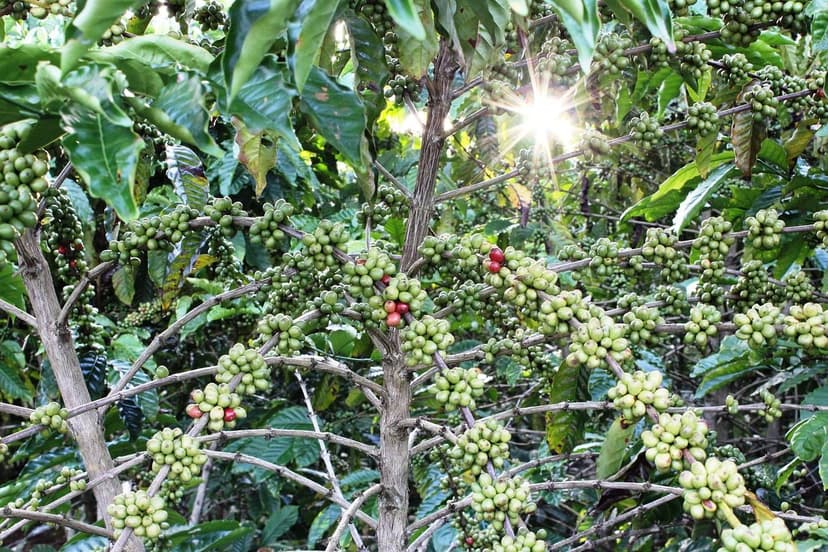
For agricultural professionals, the choice of bioprotectants should be based on scientific evidence and agronomic studies. Evaluating the efficacy, safety, and associated costs of these products is vital for making informed decisions that benefit sustainability and profitability. It is advisable to review case studies and field trial results before making purchasing decisions. Furthermore, collaboration with suppliers who offer technical advice can be a decisive factor for success in the implementation of bioprotectants. Quality certifications and verification of efficacy through field tests are aspects that should be considered when selecting a bioprotectant to ensure its effectiveness under specific conditions. It is also important to consider the availability of products in the local market and their compatibility with other agricultural practices used by the farmer.
Related Articles
- Effect of Biostimulants on Olive Yield
- Luxury Renovations: Acoustics and Insulation in Premium Homes
- Nitrogen and Seaweed Extracts: Synergy in Agriculture
Need Professional Help?
At Ecoganic in Spain, Europe, we offer certified Biostimulants and Organic Fertilizers. Call us: +34 623 753 719.
Conclusions
The use of bioprotectants in tropical crops is rapidly expanding, driven by the need for more sustainable agricultural practices. Backed by scientific evidence and practical knowledge, bioprotectants represent a viable solution to current challenges in agriculture. By adopting these technologies, farmers not only improve their productivity but also contribute to the health of our ecosystems. The adoption of bioprotectants is a step toward a more sustainable and responsible agricultural future, where food production and environmental conservation can coexist in harmony. Continuous education and training of farmers on the use and advantages of bioprotectants will be essential to maximize their potential in the agricultural sector.
4. Continuous Education and Training
Educating and training farmers on the use of bioprotectants is fundamental to their success. Training programs that include practical workshops, field demonstrations, and access to online resources can help farmers better understand the benefits and application of these products. In a study conducted in Guatemala, training farmers on the use of Bacillus amyloliquefaciens resulted in a 50% increase in the adoption of bioprotectants in maize crops. Furthermore, establishing support networks among farmers has proven effective for sharing experiences and successful practices, fostering collaborative learning that benefits the entire agricultural community. Creating research and demonstration centers in rural areas can also facilitate access to information and technologies, ensuring that farmers are up to date on the latest trends and advances in the use of bioprotectants.
5. Establishment of Innovation Networks
Creating agricultural innovation networks that integrate researchers, farmers, and industry stakeholders can foster knowledge exchange and co-creation of solutions. These networks allow farmers to share experiences on the implementation of bioprotectants and receive feedback on their practices. A successful example was observed in a program in Brazil where groups of farmers tested different bioprotectants, resulting in a 25% increase in the effectiveness of biological controls through collaborative learning. Additionally, these networks can facilitate joint research, promoting the development of new products and approaches tailored to local needs.
6. Long-Term Impact Monitoring
Implementing a monitoring system to evaluate the long-term impact of bioprotectants on soil health and biodiversity is crucial. Establishing clear indicators, such as soil microbial diversity and crop health, will allow farmers and scientists to measure the success of implemented practices. A study on cocoa farms in Ecuador showed that the use of bioprotectants over three years improved soil biodiversity by 60%, which translated into better plant health and higher yields. Long-term data collection can also help identify trends and adjust management strategies, ensuring that agricultural practices remain sustainable and effective over time.
Related Articles
- Ecoganic
- Luxury Renovations: Acoustics and Insulation in Premium Homes
- Nitrogen and Seaweed Extracts: Synergy in Agriculture
Frequently Asked Questions
What are bioprotectants?
Bioprotectants are natural products that help protect crops from pests and diseases, promoting sustainable agricultural practices.
What are the benefits of using bioprotectants?
Bioprotectants help reduce chemical residues, improve soil health, and increase plant resilience.
How are bioprotectants applied to crops?
Bioprotectants can be applied through irrigation, foliar spraying, or as part of soil treatments, depending on the product.
Are bioprotectants effective in tropical crops?
Yes, bioprotectants have proven effective in pest control and yield increases in tropical crops.
How do I choose the right bioprotectant for my crop?
It is important to consider the crop type, present pests, and consult with an agronomic expert for product selection.