

Discover the best biostimulant application techniques in fruit trees to improve production. Optimise your crops today!
Introduction to biostimulants
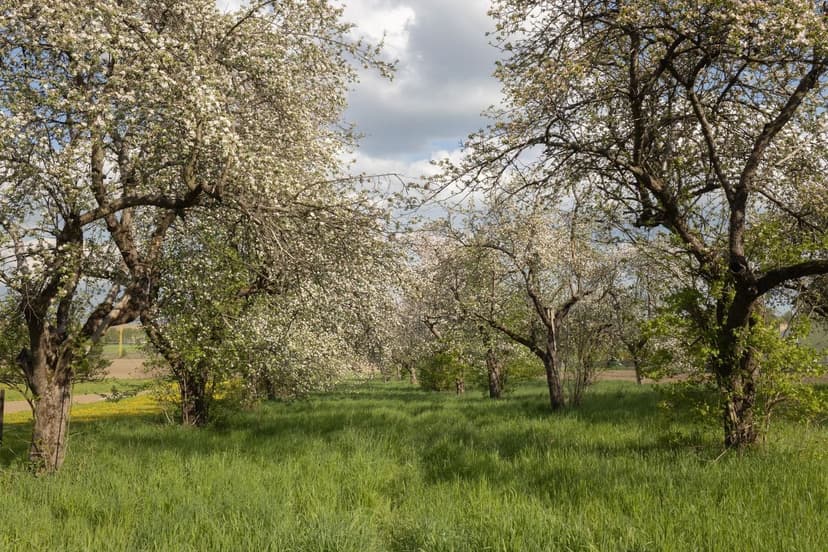
Biostimulants are products that, through their application to crops, improve plant health and productivity. In the case of fruit trees, their use has increased thanks to their ability to optimise physiological processes and improve resistance to adverse conditions. These solutions, based on natural extracts and microorganisms, are fundamental in sustainable agriculture, promoting not only productivity but also fruit quality.
Most effective application techniques
There are various techniques for applying biostimulants in fruit trees, each of which can be adapted to the needs of the crop and the specific conditions of the site. The most effective are detailed below:
1. Foliar application
Foliar application consists of spraying the biostimulant directly onto the leaves of the plant. This technique is especially useful for ensuring rapid absorption of the active compounds, allowing them to reach the plant tissues quickly. It is advisable to carry out this application in the early hours of the morning or at the end of the afternoon to avoid evaporation and maximise effectiveness.
1.1 Advantages of foliar application
Foliar application offers several advantages, including greater penetration of biostimulants into plant tissues. This mechanism can be attributed to the induction of systemic defences in plants, which increases the production of secondary metabolites and defence proteins.
1.2 Practical example
This underlines the importance of timing in the application to maximise the benefits.
1.3 Considerations for foliar application
It is important not only to choose the right moment, but also to consider the formulation of the biostimulant. The formulation must be compatible with the irrigation water and must not contain elements that could cause phytotoxicity. Compatibility tests are recommended before application. In addition, the presence of additives such as surfactants can improve the adhesion and penetration of the biostimulant into the leaves, increasing its effectiveness.
2. Soil application
Soil application is carried out by incorporating the biostimulant into the root zone of the plant. This technique favours the interaction of the biostimulant with the root system, stimulating root growth and improving nutrient uptake. It is essential to consider soil moisture and the condition of the plant at the time of applying this technique.
2.1 Mechanisms of action
Biostimulants applied to the soil can alter the soil microbiota, favouring the growth of beneficial microorganisms that help break down organic matter and release nutrients. This phenomenon is due to the production of bioactive compounds that stimulate microbial activity and nutrient mineralisation.
2.2 Practical example
In a plum crop, a mycorrhiza-based biostimulant was applied to the soil, which favoured root development and better uptake of water and nutrients, with an effect on crop yield that depends on soil conditions and crop management.
2.3 Soil application strategies
To maximise the effectiveness of soil application, it is advisable to carry out an analysis of soil texture and its water-holding capacity. In sandy soils, more frequent applications may be needed due to rapid nutrient leaching, whereas in clay soils, applications can be more widely spaced. Applying biostimulants at regular intervals can also help maintain a continuous supply of nutrients, favouring balanced plant growth.
3. Fertigation
Fertigation combines the application of water and nutrients, allowing biostimulants to be incorporated into the irrigation system. This technique is very efficient, as it ensures that the biostimulant is distributed homogeneously in the soil, favouring its uptake by the roots. Ideally, it should be carried out at times of high root activity.
3.1 Benefits of fertigation
Fertigation not only improves water use efficiency, but can also significantly increase the rate of nutrient uptake. This technique allows biostimulants to be applied at critical growth stages, optimising nutrient assimilation during the most demanding phases of the crop.
3.2 Practical example
In an avocado field, a fertigation system was implemented with an amino acid-based biostimulant.
3.3 Considerations for fertigation
For effective application of biostimulants through fertigation, proper calibration of the irrigation system is crucial. Constant monitoring of the electrical conductivity of the irrigation water is recommended to ensure that the concentration of biostimulants is appropriate. In addition, water temperature can influence the solubility of biostimulants, so it is suggested to avoid extreme temperatures during application.
4. Inoculation of microorganisms
Some biostimulants contain beneficial microorganisms that can be applied directly to the soil or in the irrigation system. This technique helps improve the soil microbiota, favouring root development and nutrient availability. It is important to ensure that soil conditions are optimal for the survival of these microorganisms.
4.1 Importance of the soil microbiota
The inoculation of microorganisms can have lasting effects on soil health. This microbial diversity can also contribute to the stability of the soil ecosystem, promoting synergistic interactions between different species of microorganisms.
4.2 Practical example
In an orange crop, a biostimulant containing Trichoderma harzianum, a beneficial fungus, was used.
4.3 Specific applications of microorganisms
The inoculation of microorganisms can be carried out at different points in the crop cycle. For example, inoculation at the start of the growing season can establish a beneficial microbiota from the outset, while application during periods of water stress can help plants overcome adverse conditions. In addition, inoculation at times of high nutritional demand can maximise nutrient availability for the plants.
Factors to consider in the application
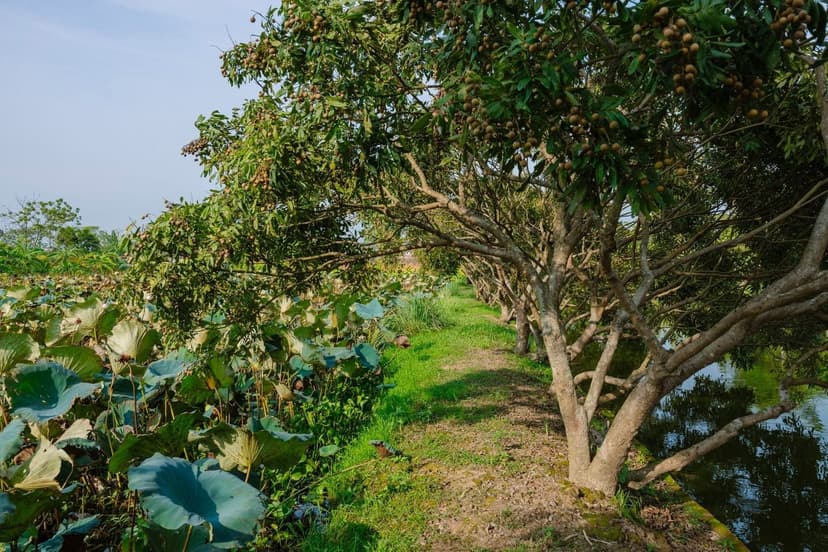
When applying biostimulants in fruit trees, there are several factors that must be taken into account to maximise their efficacy:
- Climatic conditions: Temperature and humidity can influence the uptake and effectiveness of biostimulants.
- Plant status: The growth stage and the general health of the plant must be considered when planning the application.
- Type of biostimulant: Different biostimulants have varied properties; it is essential to select the appropriate one according to the needs of the crop.
- Application frequency: Establishing an application schedule that takes into account the growth cycle of the fruit trees is key to obtaining the best results.
Soil-specific factors
In addition to the factors mentioned, the edaphic characteristics of the soil are crucial. Soil texture, pH and electrical conductivity can influence the activity of biostimulants. For example, clay soils can retain more water, which can be beneficial for the application of biostimulants to the soil, whereas sandy soils might require more frequent applications due to greater nutrient leaching. Furthermore, the presence of organic matter can influence the activity of biostimulants, since it can act as a reservoir of nutrients and improve soil structure.
Interaction with other agricultural inputs
Interactions between biostimulants and other agricultural inputs, such as fertilizers and pesticides, are also a factor to consider. However, it is essential to follow the manufacturer's recommendations to avoid possible antagonisms. The simultaneous application of biostimulants and pesticides may require adjustments to the formulation or the timing of application to optimise their effectiveness.
Interactions with agricultural management practices
In addition to chemical interactions, it is important to consider how agricultural management practices can influence the effectiveness of biostimulants. For example, pruning technique can affect the distribution of biostimulants in the plant. Likewise, crop rotation and soil conservation practices can improve the efficacy of biostimulants by promoting a healthier environment for plant growth. The use of cover crops can also help to maintain soil moisture and reduce erosion, which favours the activity of beneficial microorganisms.
Related articles
Do you need professional help?
At Ecoganic in Spain, Europe, we offer advanced agricultural solutions, products of natural origin. Call us: +34 623 753 719.
Benefits of biostimulants in fruit trees
The use of biostimulants in fruit trees offers multiple benefits, among which the following stand out:
- Improved fruit quality: Biostimulants can have a positive influence on the size, colour and flavour of the fruit.
- Increased stress resistance: These products help plants to tolerate adverse conditions such as drought or disease better.
- Optimised nutrient efficiency: Biostimulants facilitate nutrient uptake, which can translate into more efficient use of fertilizers.
- Increased yield: Proper application of biostimulants can result in significant increases in fruit production.
Economic benefits
The economic benefits derived from the use of biostimulants are notable. This is especially relevant in competitive markets where quality can determine the selling price. In addition, the reduction in the use of chemical fertilizers and pesticides can lower production costs in the long term, favouring the economic sustainability of the crops.
Environmental benefits
The application of biostimulants also contributes to environmental sustainability. By improving nutrient use efficiency, the need for chemical fertilizers is reduced, which lowers the risk of water and soil contamination. Improved soil health also contributes to reducing erosion and conserving biodiversity.
Impact on biodiversity
Biostimulants not only improve plant health, but can also have a positive impact on biodiversity. By fostering a healthier environment for plant growth, an increase in the diversity of pollinating insects and beneficial soil microorganisms can be observed. Likewise, improving the soil microbiota through biostimulants can help to create a more balanced and resilient ecosystem, which is essential in sustainable agriculture.
5. Effect on soil quality
Biostimulants not only benefit plants, but also have a positive impact on soil quality. Incorporating biostimulants into the soil can increase biological activity, promoting the decomposition of organic matter and improving soil structure. Increased microbial activity can also improve humus formation, which contributes to long-term soil fertility.
5.1 Case study
This increase in organic matter not only benefits plants, but also contributes to climate change mitigation by increasing the carbon sequestered in the soil.
5.2 Mechanisms of soil improvement
Biostimulants can favour the formation of soil aggregates, which increases their stability and resistance to erosion. In addition, increased microbial activity can contribute to the solubilisation of nutrients, facilitating their availability to plants. The interaction between plant roots and the soil microbiota can also improve the uptake of other essential nutrients, such as potassium and magnesium, which enhances overall plant growth.
Related articles
- Advanced agricultural solutions
- Biostimulants vs Fertilizers: Differences and Advantages
More on this topic: when and how to apply biostimulants in tropical maize, the Ecoganic biostimulant catalogue and the tank mix compatibility chart.


