

The EU regulation on biostimulants 2023-2025 introduces significant changes. Learn how it will affect farmers and their production in the near future.
Changes in regulation
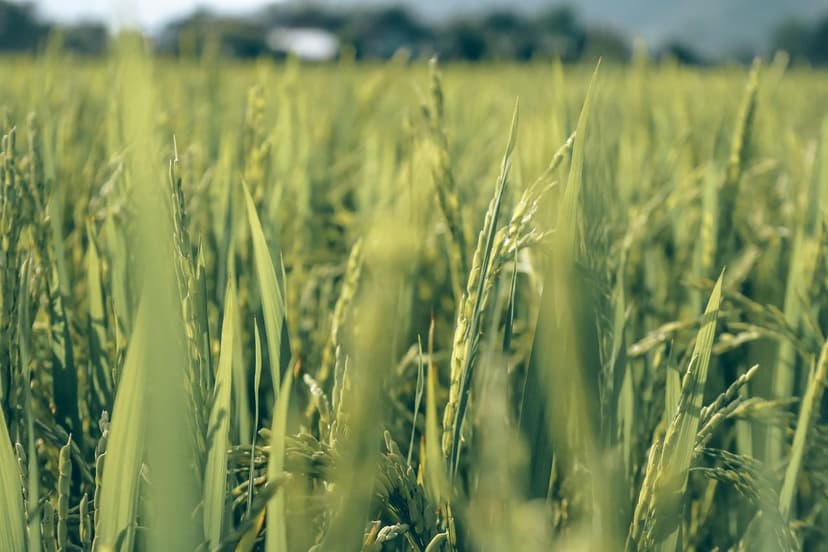

The EU biostimulants regulation, in force since 2026, establishes clear rules on the marketing and use of biostimulants in agriculture. This includes product classification, labeling requirements, and efficacy testing. These changes ensure that farmers use products that meet scientific and food safety standards, resulting in greater confidence in the use of biostimulants. The new guidelines also encourage the development of innovative biostimulants, promoting sustainability in European agriculture. For more information on these changes, consult the EU biostimulants regulation and the EU biostimulants regulation.
Classification of biostimulants
The new regulation introduces a more precise classification of biostimulants, dividing them into categories based on their origin and mechanisms of action. This includes plant-based, microbial, and mineral biostimulants. For example, seaweed biostimulants, which are rich in phytohormones and nutrients, are classified by their ability to improve plant growth and resistance.
Recent studies have shown that seaweed extracts can increase biomass production in tomato crops by 15-20% compared to untreated controls. This classification not only makes it easier for farmers to choose the right product for their needs but also promotes research and development in each category.
Benefits of classification
The classification of biostimulants allows farmers to select products that align with their specific crop goals. For example, microbial biostimulants, which may include specific strains of bacteria and fungi, have proven effective in promoting soil health and increasing nutrient availability. A study on maize crops showed that inoculation with a specific strain of Bacillus subtilis resulted in a 22% increase in nitrogen uptake, leading to more robust plant growth.
Mechanisms of action of biostimulants
Biostimulants act through various mechanisms, which may include enhancing nutrient uptake, stimulating root growth, and modulating plant hormonal responses. For instance, amino acid-based biostimulants have been shown to increase the activity of key enzymes in photosynthesis, resulting in an increase in dry matter production in maize crops.
A study conducted by the University of Córdoba indicates that applying an amino acid-based biostimulant to lettuce crops increased the growth rate by 30% compared to crops treated only with conventional fertilizers. This type of information is crucial for farmers to understand and select the most suitable biostimulants for their crops.
Impact on plant physiology
Biostimulants can also influence plant physiology at the cellular level. For example, some seaweed-based biostimulants can increase the activity of the enzyme superoxide dismutase (SOD), which plays a key role in the antioxidant defense of plants. A study demonstrated that applying a seaweed-based biostimulant increased SOD levels by 40%, resulting in greater resistance to environmental stress, such as drought.
This increase in SOD activity not only contributes to stress resistance but can also improve water use efficiency, which is critical in a context of climate change where water availability is becoming increasingly limited. Integrating biostimulants that optimize plant physiology can be an effective strategy to mitigate these challenges.
Labeling requirements
The new labeling requirements are more stringent and require manufacturers to provide detailed information on the chemical composition of biostimulants, their expected effects, and optimal usage conditions. This includes data on the concentration of active ingredients, the mode of action, and application recommendations.
A clear example is the labeling of products containing beneficial microorganisms. The label must specify the microorganism strain used, its proven efficacy under field conditions, and any restrictions on the type of crops to which it can be applied. This transparency is crucial for farmers to understand the value of the products they use.
Quality standards in labeling
Regulation also establishes quality standards that biostimulants must meet to be marketed. This includes conducting efficacy trials under field conditions that validate the claims made on the label. For example, a biostimulant claiming to increase crop yield by 15% must be supported by trial data demonstrating such improvement under specific conditions, providing a solid scientific basis for its use.
Case studies on effective labeling
In a case study conducted in the Castilla-La Mancha region, the effectiveness of properly labeled biostimulants was evaluated in vineyard crops. Results showed that products including detailed information on their composition and mode of action achieved a 15% increase in grape production compared to those lacking such information. This underscores the importance of clear and precise labeling to maximize agricultural yield.
Efficacy trials
Regulation also establishes standardized procedures for evaluating the efficacy of biostimulants. This involves controlled field trials and long-term studies that measure not only crop yield but also quality and disease resistance. For example, a trial conducted on pepper crops showed that using a microorganism-based biostimulant increased resistance to fungal diseases by 30% compared to untreated crops.
Study
Ecoganic products for this topic
TERRA HUMID LIQUID
Humic and fulvic acids
incluido
MICRO PLUS 1-0-0
Total nitrogen (N)
1,013 % (measured)
Chloride: 0,183 % (measured)
View technical sheet →BOOST UNIVERSAL SALINITY
Total calcium (CaO)
0,150 % (p/p) / 0,151 % (p/v)
Chloride: < 0,05 % (measured)
View technical sheet →Each datasheet publishes its guaranteed composition and, where available, the value measured at an accredited laboratory.
Related resources