

Introduction
Soil microorganisms play a fundamental role in improving crop fertility. At Ecoganic, we understand that soil health is crucial for obtaining abundant and high-quality harvests. This article explores how microorganisms can help optimize plant nutrition and increase agricultural productivity.
Importance of microorganisms
Soil microorganisms, including bacteria, fungi, and protozoa, are essential for the functioning of the agricultural ecosystem. These organisms decompose organic matter, releasing nutrients that are easily absorbed by plants. Additionally, they contribute to soil structure, improving its aeration and water retention capacity.
Types of microorganisms and their function
There are different types of microorganisms with specific functions:
- Nitrogen-fixing bacteria: Transform atmospheric nitrogen into forms usable by plants. For example, Rhizobium and Azotobacter are genera that play a crucial role in this process, which can increase nitrogen availability in the soil by up to 50%.
- Mycorrhizal fungi: Establish symbiosis with roots, increasing nutrient and water absorption. These fungi have been shown to improve phosphorus absorption by 90%, which is vital for root development and flowering.
- Actinobacteria: Decompose organic material, facilitating nutrient release. These bacteria are responsible for breaking down complex compounds and can increase organic carbon availability in the soil, improving its quality.
Microbial interactions in the soil
Interactions between different types of microorganisms are fundamental for soil health. For example, bacteria and fungi often work together to decompose organic matter more efficiently. A study conducted by the Agricultural Research Institute of Wageningen University showed that the combination of bacteria and fungi in decomposing crop residues increased the nutrient mineralization rate by 35%. These interactions not only improve nutrient availability but also help stabilize soil structure, reducing erosion and improving water retention.
Specific benefits of soil microorganisms
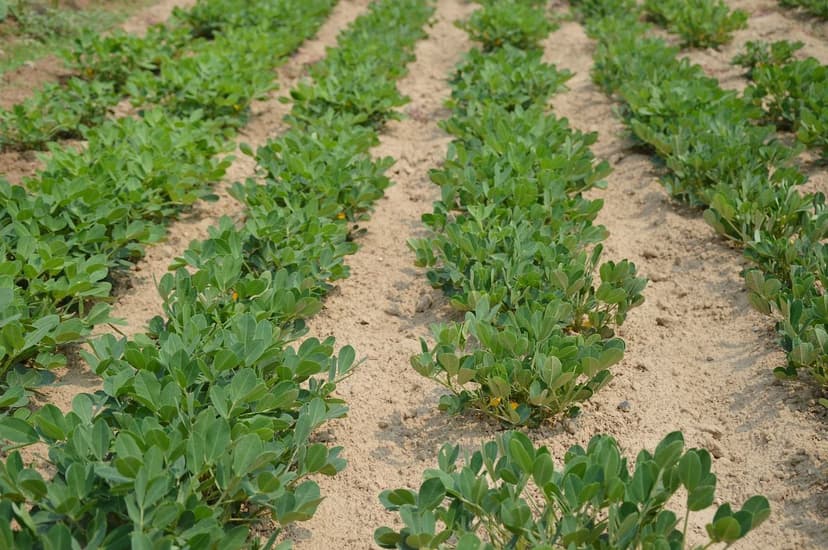
Soil microorganisms offer multiple benefits that contribute to the fertility of your crops:
Improved nutrient availability
Interactions between microorganisms and plants enhance the availability of essential nutrients, such as nitrogen, phosphorus, and potassium. This translates into more robust growth and better crop quality. For example, a study on corn crops observed a 20% increase in yield when microbial inoculants were applied compared to untreated crops.
Increased stress resistance
Microorganisms help plants tolerate adverse conditions, such as drought or acidic soils. A healthy soil with a diverse microbiota can increase crop resilience to these challenges. Field trials have shown that plants treated with advanced agricultural solutions can reduce yield loss under drought conditions by up to 30% compared to those not receiving such treatments. For instance, in wheat crops under arid conditions, the application of microorganisms such as Pseudomonas fluorescens has shown a notable improvement in drought tolerance.
Disease reduction
The presence of beneficial microorganisms can suppress soil pathogens, reducing the incidence of plant diseases and decreasing the need for chemical pesticides. Research has shown that the application of antagonistic microorganisms, such as Bacillus subtilis, can reduce the incidence of fungal diseases by 40%, thereby improving overall crop health. In a trial on tomato crops, inoculation with Trichoderma harzianum resulted in a 50% decrease in the incidence of diseases such as tomato blight.
Plant growth promotion
Microorganisms not only improve nutrient availability but can also produce phytohormones such as auxins, cytokinins, and gibberellins, which stimulate plant growth. These hormones can increase germination rates and root development, leading to healthier and more vigorous plants. For example, the application of certain types of Azospirillum has been shown to increase root growth by 40% in cereal crops. A study on barley crops showed that the application of advanced agricultural solutions increased root length by 25%, improving water and nutrient absorption.
How to apply them in your crop
To maximize the benefits of soil microorganisms, it is important to implement sustainable management practices:
Cultivation practices
- Crop rotation: Alternating different crops can promote microbial diversity and improve soil health. Studies have shown that rotating legumes with cereal crops can increase microbial diversity by 25%. For example, rotating beans with corn not only improves microbial diversity but also increases nitrogen fixation in the soil, contributing to greater overall fertility.
- Compost use: Incorporating compost into the soil can increase the population of beneficial microorganisms. Compost application can enrich the soil with nutrients and boost microbial activity by 50%, resulting in better plant growth. In a study conducted on vegetable crops, compost use led to a 30% increase in the population of beneficial microorganisms compared to untreated soils.
- Biostimulants: Products such as biostimulants help enhance microbial activity. These products may contain a mixture of microorganisms and nutrients that stimulate soil biological activity, resulting in a 15-20% increase in crop yield. In field trials, the application of advanced agricultural solutions has been observed to improve soil health and promote more uniform crop growth.
Microorganism inoculation
Direct inoculation of microorganisms into the soil or onto seeds is an effective strategy for improving crop health. This practice involves the application of specific strains of beneficial microorganisms selected for their ability to enhance soil fertility and plant health. For example, in rice crops, inoculation with Azospirillum brasilense has been shown to increase yield by 25% by improving nutrient uptake and water use efficiency. In a study in India, inoculation with Rhizobium in legumes was reported to increase grain production by 40% compared to uninoculated crops.
Organic matter management
Incorporating organic matter, such as crop residues and manure, not only improves soil structure but also provides a habitat for microorganisms. An increase in organic matter content can lead to a 30-40% rise in microbial activity. This promotes a more efficient nutrient cycle and supports the development of a diverse and functional soil microbiota. In a study conducted on agricultural soils in France, the addition of organic matter was observed to increase microbial biodiversity and improve the soil's water retention capacity, resulting in a 15% increase in crop yield.
Scientific and Practical Validity
The effectiveness of soil microorganisms has been supported by various research studies and field trials. Available scientific evidence indicates that implementing practices that favor soil microbiota can lead to significant improvements in agricultural production. For example, a meta-analysis of 50 studies showed that inoculation with beneficial microorganisms can increase crop yields by an average of 10-30%. These results underscore the importance of soil microbiology as a key component in sustainable agriculture.
At Ecoganic, we take a science-based approach to developing solutions that integrate beneficial microorganisms into crop nutrition. Our products are designed to optimize nutritional efficiency and overall soil health. We use cutting-edge technology to ensure that our high-quality biological formulations contain effective and viable microbial strains, guaranteeing consistent results across various growing conditions.
Research and Development in the Use of Microorganisms
The field of biostimulants and soil microorganisms is constantly evolving. Numerous studies are underway to identify new microbial strains and their applications in agriculture. Recent research has identified microorganisms that not only improve nutrient uptake but can also aid in the degradation of soil contaminants, suggesting a promising future for agricultural bioremediation. For instance, strains of Mycobacterium have shown effectiveness in degrading hydrocarbons, implying that these microorganisms can play a crucial role in the recovery of contaminated soils.
Examples of Successful Field Applications
In various regions of the world, farmers have begun adopting practices that integrate microorganisms into their cropping systems. For example, in Brazil, the use of advanced agricultural solutions in soybean crops has led to a 20% increase in production and a reduction in the use of chemical fertilizers. Similarly, in Spain, improvements in tomato production have been reported by incorporating microorganisms into the soil, with yield increases of up to 25%. These cases highlight how soil microbiology can be an ally in the pursuit of more efficient and sustainable agriculture.
Case Studies in the Implementation of Microorganisms
A study conducted in the Mendoza region of Argentina demonstrated that the application of a microbial biostimulant in vineyards increased grape production by 30% compared to untreated vineyards. Researchers attributed this increase to improved nutrient absorption and greater resistance to foliar diseases, resulting in a higher-quality harvest. This case highlights the importance of using microorganisms to optimize production in high-value crops such as grapevines.
Another successful case was observed in a vegetable crop in the Netherlands, where inoculation with mycorrhizal fungi improved carrot production by 18%. Farmers reported that the roots were larger and had better flavor, leading to increased market value. This example underscores how the use of microorganisms can not only boost yield but also enhance the quality of the final product. In a similar study in Italy, the use of mycorrhizae in lettuce crops resulted in a 22% increase in production, along with improved leaf texture and flavor.
Development of new application technologies
Innovation in the application of microorganisms is also advancing. Recently, controlled-release technologies have been developed that allow the application of microorganisms at optimal times to maximize their effectiveness. For example, the use of nanoparticles to transport microorganisms can improve the viability of strains under adverse conditions, enabling microorganisms to establish themselves more effectively in the soil. A study published in the journal Applied Soil Ecology showed that the use of nanoparticles for delivering Azospirillum increased the colonization rate by 50%, translating into higher crop yields.
Harnessing native microbiota
In addition to inoculating specific microorganisms, harnessing the native soil microbiota is a promising strategy. Research suggests that fostering natural microbial diversity can be as effective as inoculation. For instance, the use of conservation agriculture practices and reduced tillage can increase native microbial diversity and, as a result, improve soil health. A study on sunflower crops showed that reduced tillage increased microbial diversity by 30%, which translated into a 15% increase in yield.
Impact of microorganisms on agricultural sustainability
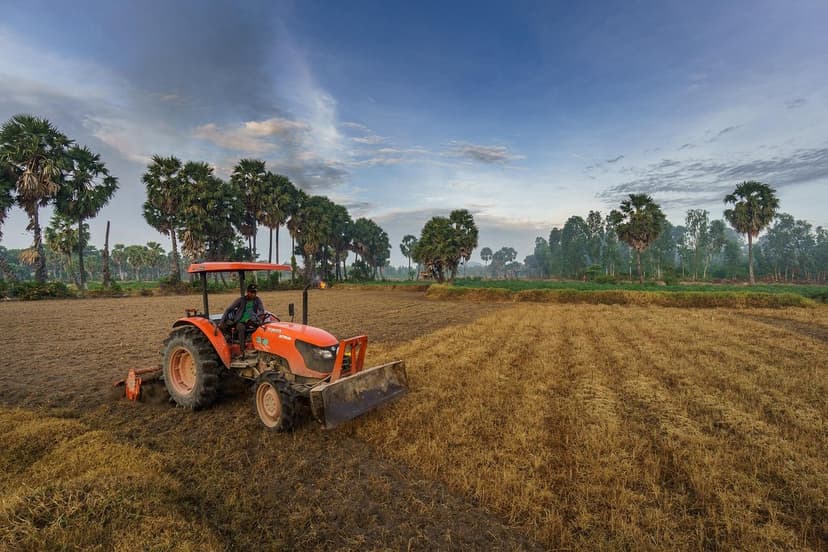
The implementation of soil microorganisms not only benefits crop production but also has a significant impact on agricultural sustainability. By reducing dependence on chemical fertilizers and pesticides, microorganisms contribute to more sustainable and environmentally friendly agricultural practices. For example, the use of microorganisms for bioremediation can help restore contaminated soils and improve their long-term health.
Reduction of the carbon footprint
Promoting microorganisms in agriculture can also contribute to climate change mitigation. Healthy soils, rich in microorganisms, are capable of sequestering carbon from the atmosphere, helping to reduce the concentration of greenhouse gases. A study conducted by the FAO estimates that regenerative agriculture, which includes the use of microorganisms, could increase carbon storage in agricultural soils by up to 30% in the coming decades.
Improvements in ecosystem biodiversity
The use of microorganisms in agriculture not only improves soil health but can also have positive effects on ecosystem biodiversity. Microbial diversity is a key indicator of soil health and overall biodiversity. A study on sugarcane crops showed that inoculation with microorganisms increased the diversity of soil organisms, resulting in a more resilient and balanced ecosystem. This in turn benefits other organisms, such as pollinating insects and soil fauna, creating a healthier and more sustainable environment.
Closing with a strong CTA
If you want to improve the fertility of your crops through the use of soil microorganisms, contact us today. At Ecoganic, we offer effective and sustainable solutions in biostimulants, organic fertilizers, and plant nutrition. Request information with no obligation!
Related articles
- Soil microorganisms: boost the health of your crops
- Soil Microorganisms: Key to Healthier Crops
- Soil Microorganisms that Improve Crop Health
Need professional help?
Contact Ecoganic.
Soil microorganisms: Improve the fertility of your crops
Soil microorganisms, including bacteria, fungi, actinobacteria, and protozoa, play a crucial role in soil fertility and crop growth. It is estimated that a single gram of soil can contain between 10^6 and 10^9 microorganisms, representing an essential biodiversity for maintaining soil health. These organisms are responsible for biogeochemical processes that transform organic matter into nutrients available for plants.
Microbial activity can increase the availability of nutrients such as nitrogen and phosphorus, which are vital for plant growth. For example, nitrogen-fixing microorganisms have been shown to increase the availability of this nutrient by 30-50% in leguminous crops. Additionally, mycorrhizal fungi, which form symbiotic associations with plant roots, can enhance phosphorus uptake by 80-90% in some cases, thereby improving overall crop health.
To maximize the benefits of soil microorganisms, it is recommended to implement sustainable management practices. Crop rotation, incorporation of organic matter, and the use of high-quality biological formulations are effective strategies to promote microbial activity. Studies have shown that adding compost can increase soil microbial biomass by up to 200%, resulting in a significant boost in soil fertility.
Likewise, it is important to avoid excessive use of pesticides and chemical fertilizers, as these can disrupt the soil microbial community and reduce its effectiveness. Instead, periodic soil testing is suggested to monitor microbial health and adjust management practices as needed. Adopting a soil microbiology-based approach not only improves fertility but also promotes more resilient and sustainable agricultural systems.
Related Articles
- Soil Microorganisms: Boost Your Crop Health
- Soil Microorganisms: Key to Healthier Crops
- Soil Microorganisms That Improve Crop Health
References
- https://www.fao.org/agroecology/overview/en/
- https://www.fao.org/soils-portal/en/
Frequently Asked Questions
What are soil microorganisms?
They are organisms such as bacteria and fungi that help decompose organic matter and improve soil health.
How do microorganisms affect agricultural productivity?
They improve nutrient availability, increase resistance to diseases, and optimize water absorption.
What practices favor microbial activity in the soil?
Crop rotation, the use of compost, and the application of biostimulants are effective practices.
Does Ecoganic offer products related to soil microorganisms?
Yes, at Ecoganic we develop biostimulants and organic fertilizers that promote microbial activity.