

Introduction
Soil microorganisms play a crucial role in crop health and productivity. These microscopic organisms are essential for maintaining soil biodiversity, improving soil structure and nutrient availability. In an increasingly challenging agricultural context, where climate change and soil degradation are growing concerns, promoting beneficial microorganisms has become a key strategy for encouraging sustainable practices and improving crop efficiency.
Soil microorganisms, such as bacteria, fungi, actinobacteria and protozoa, interact in a complex network that sustains the life of the agricultural ecosystem. This article will explore the importance of these microorganisms and how their management can be fundamental to achieving healthier, more resilient crops.
Importance of Soil Microorganisms
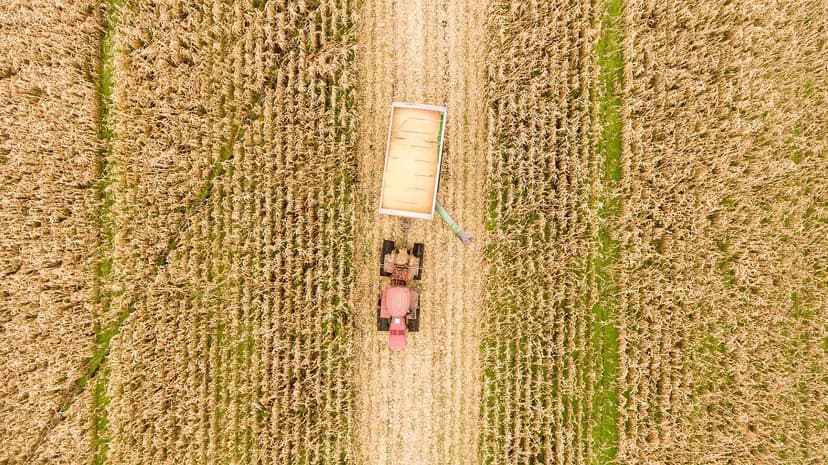
Microbial biodiversity in the soil is vital for crop health. According to research, a soil rich in microorganisms is more fertile and has a greater capacity to retain water and nutrients. This is particularly relevant in regions where climatic conditions are adverse, such as drought areas or saline soils, where water retention capacity is compromised.
Microorganisms perform several important functions, including the decomposition of organic matter, nitrogen fixation, and the control of soil pathogens. These functions contribute not only to soil fertility, but also to the development of crops that are more resistant to disease and abiotic stress.
Maintenance of Soil Structure
Soil microorganisms are also fundamental for maintaining soil structure. They act as binding agents that help form soil aggregates, which improves aeration and water infiltration.
In addition, microbial activity contributes to the formation of humus, a soil component that improves its physical and chemical structure. This humification process not only increases soil fertility, but also improves its capacity to resist erosion.
Microbial Interactions and Crop Resilience
Interactions between different microbial groups can influence crop resilience to environmental stresses. For example, the symbiosis between nitrogen-fixing bacteria and mycorrhizal fungi can result in better nutrient availability, which translates into more robust plant growth.
Types of Beneficial Microorganisms
There are various types of microorganisms that can benefit crops. First, bacteria such as Rhizobium are essential for nitrogen fixation in legumes. These bacteria convert atmospheric nitrogen into forms that plants can use, significantly improving soil fertility.
Mycorrhizal fungi, on the other hand, form symbioses with plant roots, facilitating the uptake of nutrients such as phosphorus and water. This relationship not only improves plant growth, but also increases their resistance to disease and stress conditions.
In addition, actinobacteria, such as Streptomyces, are known for their ability to decompose organic matter and release essential nutrients for plants.
Protozoa and their Role in the Nutrient Cycle
Protozoa, although less frequently mentioned, are also a crucial component of soil biodiversity. They act as predators of bacteria and other microorganisms, helping to regulate the microbial population and, therefore, the nutrient cycle. This highlights the importance of a balanced microbial ecosystem for soil health.
In addition, protozoa facilitate the release of nutrients by being part of the decomposition cycle. By feeding on bacteria, they release nutrients such as nitrogen in forms that are easily absorbed by plants.
Mechanisms of Action of Soil Microorganisms
Soil microorganisms act through several mechanisms that benefit plants. One of the most important is nutrient solubilisation. For example, certain fungi and bacteria are able to dissolve minerals in the soil, making them more accessible to plant roots.
Another mechanism is the production of phytohormones. Some microorganisms generate hormones that stimulate root growth and improve nutrient and water uptake. This is especially relevant under stress conditions, where plants may need an additional boost to survive.
By competing with pathogenic organisms for resources or by producing substances that inhibit their growth, microorganisms help to maintain a balance in the soil ecosystem.
Production of Secondary Metabolites
In addition to hormones, many soil microorganisms produce secondary metabolites that can influence plant health. For example, some fungi produce antifungal compounds that can protect plants from diseases such as downy mildew and rust.
These metabolites can also act as chemical signals that induce systemic resistance in plants, enabling them to respond more efficiently to future pathogen attacks. For example, a field trial in onion crops showed that the application of Trichoderma harzianum not only reduced the disease but also increased the production of defence metabolites in the plants, improving their overall resistance.
Practical Application in Crops
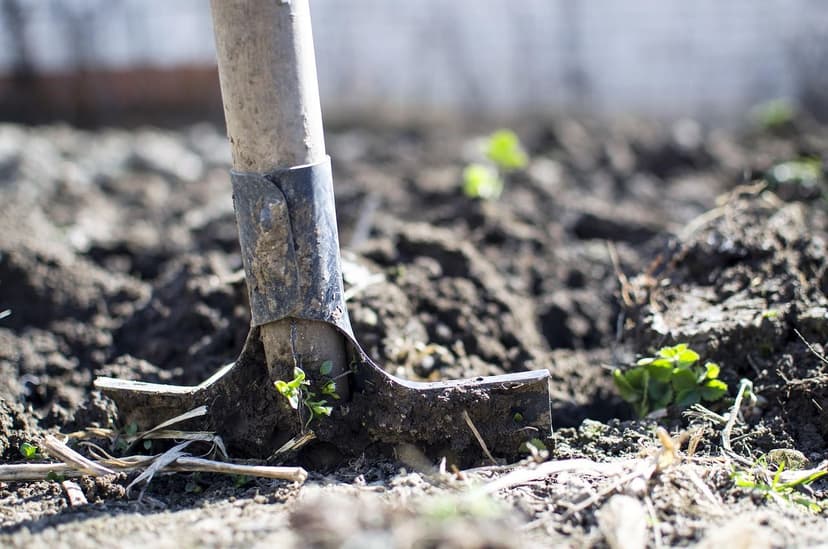
The application of beneficial microorganisms in agriculture can be carried out in various ways, including seed inoculation, soil application and the use of biostimulants containing these organisms. For example, in coffee and cocoa crops, the addition of Rhizobium inoculants or mycorrhizal fungi has shown significant improvements in yield and harvest quality.
The implementation of these practices requires careful management and constant monitoring to assess the impact on soil health and crop productivity.
In addition, regenerative agriculture, which emphasises the use of soil microorganisms, has gained popularity in recent decades. This practice seeks to restore soil health through methods that promote microbial biodiversity, such as the use of cover crops and crop rotation.
Seed Inoculation and Biostimulants
Seed inoculation is an effective technique to ensure that plants begin their life cycle with an adequate population of beneficial microorganisms.
Biostimulants containing microorganisms are also gaining ground in modern agriculture. These products not only provide beneficial microorganisms but can also include nutrients and compounds that stimulate growth.
It is important to mention that the selection of specific microorganisms for inoculation must be based on soil conditions and the type of crop.
Applications in Vegetable Crops
In vegetable cultivation, the use of soil microorganisms is particularly useful. For example, in lettuce crops, inoculation with Trichoderma favours vegetative growth and improves the quality of the final product.
Furthermore, in cucumber production, the application of mycorrhizal fungi improves water and nutrient uptake, which can translate into higher yield. This is especially relevant under water stress conditions, where the ability of mycorrhizae to extend beyond the plant's root zone allows for better capture of resources.
The Impact of Microbiology on Fruit Cultivation
In fruit production, soil microbiology also plays an essential role.
Likewise, in citrus crops, inoculation with bacteria of the genus Pseudomonas has shown a significant reduction in drought stress, allowing trees to maintain healthy growth even under conditions of low water availability. This is crucial in regions where irrigation is limited and climatic conditions are variable.
Conclusions
Soil microorganisms are fundamental to the development of healthier and more sustainable crops. Their role in soil fertility, nutrient availability and pathogen control is undeniable. Implementing practices that encourage microbial biodiversity not only improves agricultural productivity but also contributes to the sustainability of the agricultural ecosystem.
In a world where agriculture faces numerous challenges, proper management of soil microorganisms can be an effective solution for cultivating more efficiently and sustainably. For more information on the importance of microorganisms in agriculture, you can consult studies on sustainable agriculture and soil management practices.
Microorganisms and Their Role in Climate Change Mitigation
Soil microorganisms also play a crucial role in climate change mitigation. Through processes such as the decomposition of organic matter, these organisms contribute to the formation of organic carbon in the soil, which helps sequester carbon and reduce the concentration of greenhouse gases in the atmosphere.
In addition, microbial activity can influence the formation of humus, a key component for carbon stability in the soil. Soils with high microbial biomass have a greater capacity to store carbon, which has significant implications for sustainable agriculture strategies and the fight against climate change.
Recent Research on Soil Microorganisms
Research on soil microorganisms has advanced significantly in recent years. This finding suggests that soil microbial health is a critical indicator of the capacity of agricultural ecosystems to support crop growth under changing conditions.
Development of New Technologies for the Application of Microorganisms
Progress in soil microorganism application technologies has also been notable. Biotechnology has enabled the development of more effective and specific formulations that can be applied under optimal conditions to maximise root colonisation and effectiveness in the soil. For example, encapsulated microorganisms allow controlled, prolonged release over time, resulting in better integration of these organisms into the soil ecosystem.
In addition, the use of drones and precision technology is revolutionising the way these inoculants are applied in fields. With the ability to map soil variability, growers can apply specific microorganisms only where they are needed, optimising resource use and improving overall soil health.
Microorganisms and Soil Health
Soil health is a holistic concept that includes its capacity to function as an ecosystem, which involves the interaction of microorganisms, soil fauna and organic matter. A healthy soil contains a diversity of microorganisms that facilitate processes such as nutrient mineralisation, organic matter decomposition and disease control. Promoting microbial biodiversity is essential to maintaining this health.
The relationship between soil health and crop productivity is direct. Crops grown in soils with high microbial biodiversity tend to be more vigorous and less susceptible to pests and diseases.
The Future of Soil Microbiology
Soil microbiology is at the centre of many debates about the future of agriculture. With the growth of the world population and the need to produce more food sustainably, research on soil microorganisms is becoming increasingly relevant. New strategies for using these microorganisms in agriculture are expected to be developed in the coming years, including genetic manipulation and the creation of specific biofertilizers that improve soil health and crop productivity.
In addition, education and awareness of the importance of microorganisms in the soil will be crucial for growers to adopt practices that promote soil health. Training programmes and educational resources can help growers understand how to manage their soils in ways that encourage microbial biodiversity and, consequently, the long-term sustainability of their farming systems.
What are soil microorganisms?
Soil microorganisms are microscopic organisms that live in the soil, including bacteria, fungi and protozoa. They play a crucial role in soil health and fertility by participating in the decomposition of organic matter and in the nutrient cycle.
How do microorganisms benefit crops?
Microorganisms benefit crops by improving nutrient availability, facilitating water uptake and protecting plants from disease. They also help improve soil structure, which encourages root growth.
Which agricultural practices encourage microbial biodiversity?
Practices such as crop rotation, the use of cover crops and the application of biostimulants containing microorganisms are effective in promoting microbial biodiversity in the soil.
Where can I find more information on soil microorganisms?
You can consult studies and articles on platforms such as ScienceDirect or in FAO publications on the importance of microorganisms in agriculture.


