

Introduction
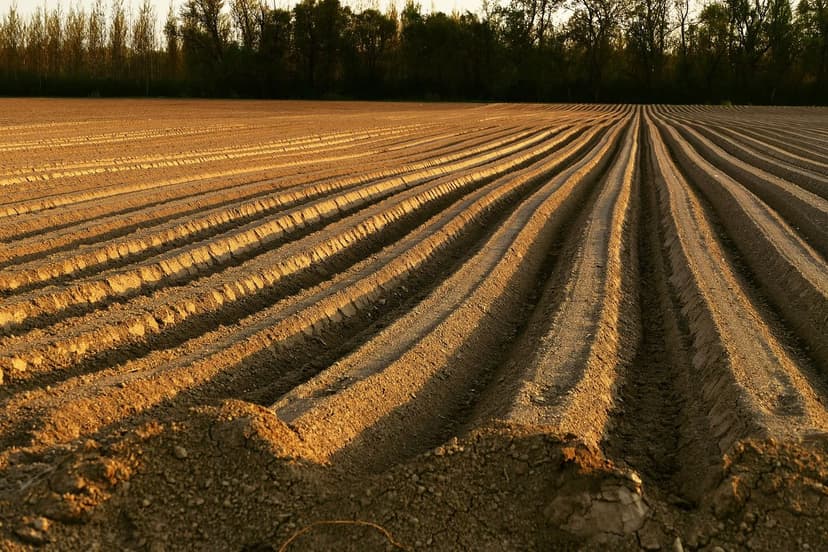
Soil microorganisms are fundamental for the growth and development of agricultural crops. At Ecoganic, we understand that soil health is crucial for the sustainability and productivity of crops, which is why we specialize in developing biostimulants that enhance microbial activity in the soil.
Importance of Soil Microorganisms
Soil microorganisms, including bacteria, fungi, and protozoa, play a vital role in nutrient cycling, decomposition of organic matter, and formation of soil structures. These organisms contribute to soil fertility by improving the availability of essential nutrients for plants. According to the FAO, soil biodiversity is key to sustainable agricultural production.
Nutrient Cycling and Microorganisms
Soil microorganisms are essential in nutrient cycling, especially in the transformation of nutrients such as nitrogen, phosphorus, and sulfur. For example, nitrifying bacteria convert ammonium (NH4+) into nitrate (NO3-), which is the form of nitrogen most easily absorbed by plants. This nitrification process is crucial, as it is estimated that around 80% of the nitrogen used by plants comes from this microbial process. Additionally, mycorrhizal fungi facilitate phosphorus absorption, increasing the efficiency of this nutrient use in crops. A study from Stanford University revealed that mycorrhizal fungi can increase nutrient uptake by 50%, resulting in more robust plant growth. The interaction of biostimulants and fertilizers also plays an important role in this process. To better understand how these products can benefit agriculture, it is helpful to learn about what agricultural biostimulants are.
Decomposition of Organic Matter
Microorganisms are also responsible for the decomposition of organic matter, a process that releases essential nutrients. It is estimated that the decomposition of organic matter can release between 30% and 50% of the nutrients stored in the soil. This process not only improves soil fertility but also contributes to the formation of humus, which is key for water and nutrient retention in the soil. Research has shown that soils with higher microbial activity can retain up to 20% more water, which is crucial in drought-prone regions.
Types of Beneficial Microorganisms
There are several types of microorganisms that benefit crops:
- Nitrogen-fixing bacteria: Transform atmospheric nitrogen into forms usable by plants.
- Mycorrhizal fungi: Establish symbiosis with plant roots, increasing water and nutrient absorption.
- Decomposer microorganisms: Aid in the decomposition of organic matter, releasing nutrients in the process.
Nitrogen-Fixing Bacteria
Nitrogen-fixing bacteria, such as Rhizobium and Azotobacter, are crucial for agriculture. These bacteria convert atmospheric nitrogen into ammonium, which plants can use. A study from the University of California showed that inoculating legume crops with Rhizobium can increase yield by 20-30%. This increase translates into a significant reduction in the need for synthetic nitrogen fertilizers, promoting more sustainable agricultural practices. Furthermore, applying these bacteria to nitrogen-poor soils can improve soil quality by increasing its organic matter content, contributing to the long-term health of the agricultural ecosystem.
Mycorrhizal Fungi
Mycorrhizal fungi, such as Glomus, form symbiotic associations with plant roots, increasing the absorption surface area. These associations have been shown to increase phosphorus absorption by 90% and improve plant resistance to diseases and water stress. In a field trial conducted on corn crops, it was observed that the application of mycorrhizal fungi resulted in a 25% increase in crop yield compared to untreated crops. Additionally, mycorrhizal fungi can improve soil structure by forming aggregates, which facilitates air and water circulation, creating a healthier environment for root growth.
Decomposer Microorganisms
Decomposer microorganisms, such as bacteria from the genera Bacillus and Pseudomonas, play a crucial role in the mineralization of organic matter. These microorganisms break down plant and animal residues, releasing nutrients available for plants. A study in agricultural soils showed that the activity of these microorganisms can increase nitrogen availability by 50% and phosphorus by 30% compared to soils where microbial activity is low. Implementing practices that promote the activity of these microorganisms, such as using organic fertilizers and reducing tillage, can result in more productive and healthier soil.
Benefits of Microorganisms in Agriculture
The incorporation of beneficial microorganisms in crops offers multiple advantages:
- Improved Soil Fertility: They increase nutrient availability and improve soil structure.
- Increased Stress Resistance: They help plants tolerate adverse conditions, such as drought or saline soils.
- Disease Reduction: Some microorganisms act as bioprotectors, defending plants against pathogens.
Improved Soil Fertility
Improved soil fertility is one of the most notable benefits of microorganisms. These organisms not only increase nutrient availability but also improve soil structure, promoting aeration and water retention. A study conducted in agricultural soils showed that the addition of specific microorganisms can increase soil organic matter by 2% over a three-year period, which translates into greater water and nutrient retention capacity. Furthermore, improved soil fertility can also result in an increase in the biodiversity of soil organisms, which in turn can enhance the resilience of the agricultural ecosystem to climate changes and other stressors.
Increased Stress Resistance
Soil microorganisms also help plants resist adverse conditions. For example, bacteria from the genus Plant Growth-Promoting Rhizobacteria (PGPR) have been shown to improve drought tolerance in crops such as wheat and corn. A study under water stress conditions showed that plants inoculated with PGPR maintained a yield 15% higher than non-inoculated ones. This is because microorganisms enhance the roots' ability to absorb water and nutrients, even under drought conditions. Additionally, microorganisms can also help plants adapt to saline soils, which
Ecoganic products for this topic
FULVEX 50S
Fulvic acids
50 % p/p
Chloride: 5,62 % (measured)
View technical sheet →TERRA HUMID LIQUID
Humic and fulvic acids
incluido
BOOST UNIVERSAL
Potassium oxide (K₂O)
1,375 % (measured)
Chloride: < 0,05 % (measured)
View technical sheet →Each datasheet publishes its guaranteed composition and, where available, the value measured at an accredited laboratory.
Related resources