

Explore the role of micronutrients in healthy berries and how they can boost your crop. Learn more about Ecoganic and contact us today.
Introduction
Micronutrients play a crucial role in the development of healthy berries, influencing their growth, quality, and resistance to diseases. In this article, we will address the importance of micronutrients and how their proper application can significantly improve agricultural productivity, especially in berry cultivation. Through sustainable solutions and biostimulants, such as those offered by Ecoganic, farmers can optimize the health of their crops.
Importance of Micronutrients
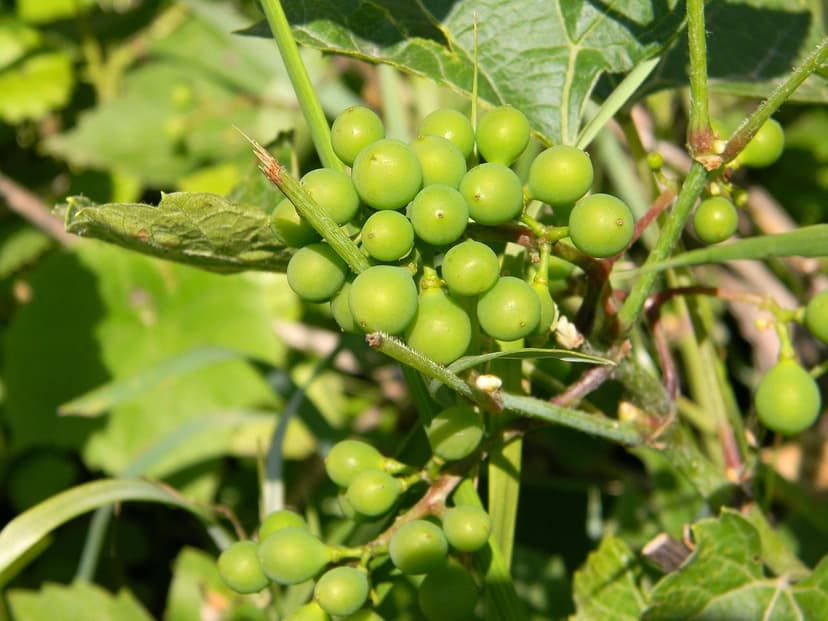
Micronutrients, although required in smaller amounts, are essential for plant growth and development. Among the most relevant for berries are:
- Iron (Fe): Fundamental for photosynthesis and chlorophyll production.
- Calcium (Ca): Contributes to cell structure and disease resistance.
- Magnesium (Mg): Vital for chlorophyll formation and enzymatic activity.
- Zinc (Zn): Important for protein synthesis and hormonal regulation.
Deficiency of any micronutrient can result in poor growth and a decrease in fruit quality. Therefore, it is essential to ensure adequate nutrition in berry plants.
Effects on Berry Quality
Micronutrients not only affect plant growth but also have a direct impact on berry quality. Research has shown that:
- Adequate iron presence improves fruit color and uniformity.
- Calcium prevents issues such as blossom end rot in tomatoes, which can also affect berries.
- Magnesium influences sugar and acid content, determining the fruit's flavor.
Therefore, proper micronutrient management can result in more attractive and nutritious berries. A study conducted in 2021 showed that antioxidant content in strawberries increased by 30% when foliar treatments of iron and magnesium were applied, highlighting the importance of these nutrients in fruit quality.
Biochemical Mechanisms of Micronutrients in Berries
Micronutrients, although required in minute amounts, play a fundamental role in the biochemical processes that determine plant health. For example, iron is an essential component of proteins involved in photosynthesis, such as ferredoxin. Without sufficient iron, chlorophyll production is compromised, resulting in poor growth and low fruit quality.
Calcium, on the other hand, acts as a messenger in plant cells, participating in the regulation of processes such as cell division and cell elongation. This is crucial for the proper development of berry tissues, which are particularly susceptible to decay if they do not receive enough calcium. Research suggests that a calcium concentration of at least 1.5% in plant tissue can reduce disease incidence by 40%.
Magnesium is a cofactor in over 300 enzymatic reactions and is essential for the synthesis of ATP, the cell's energy molecule. An adequate supply of magnesium ensures that plants can carry out efficient metabolic processes, translating into better fruit development and quality. Additionally, magnesium plays a crucial role in activating enzymes that regulate sugar synthesis, directly affecting the flavor and quality of berries.
Interaction Between Micronutrients
Micronutrients do not function in isolation; their interaction can affect overall plant health. For example, zinc and iron have a complex relationship; an excess of zinc can inhibit iron absorption, leading to iron deficiencies. Studies have shown that the optimal ratio between these two micronutrients is fundamental to maximizing chlorophyll production and, consequently, crop yield. In a specific study, it was observed that the balanced application of both micronutrients increased strawberry production by 15% compared to unbalanced applications.
Additionally, the interaction between calcium and magnesium is also significant; an imbalance in their levels can affect cell structure and, therefore, fruit quality. The ideal calcium-to-magnesium ratio in the soil should be approximately 3:1 to ensure optimal development of berry plants.
Micronutrients and Abiotic Stress
Abiotic stress, which includes conditions such as drought, salinity, and extreme temperatures, can severely affect the growth and quality of berries. Micronutrients play a protective role in these situations. For example, zinc is involved in regulating water balance, and its deficiency can lead to increased water loss and, consequently, water stress. A recent study showed that zinc application under drought conditions increased water use efficiency by 25% in blueberry crops.
Iron, on the other hand, is related to heat stress tolerance, as it promotes the production of antioxidants that help plants combat oxidative damage. In trials conducted under extreme heat conditions, strawberry plants treated with iron showed 20% less leaf damage compared to untreated ones. This demonstrates that adequate micronutrient availability can be crucial for the resilience of berry crops under adverse conditions.
Practical Applications
To maximize the benefits of micronutrients in berry cultivation, it is crucial to implement appropriate agronomic management techniques:
- Soil analysis: Conduct regular analyses to determine micronutrient concentrations and adjust applications as needed.
- Use of biostimulants: Utilize products such as those offered by Ecoganic, which include micronutrients and promote nutrient absorption.
- Adequate irrigation: Implement an efficient irrigation system that avoids water stress, which can affect nutrient uptake.
These practices not only improve plant health but also optimize berry production and quality. A field study conducted on raspberry crops showed that combining soil analysis with foliar micronutrient applications resulted in an 18% increase in total production and a 25% improvement in fruit quality, measured by size and flavor.
Micronutrient Application Strategies
The application of micronutrients must be strategic to maximize their effectiveness. Foliar application is a technique that allows for rapid nutrient absorption, especially in situations where the soil may have limited micronutrient availability. For example, applying iron and zinc solutions through sprayers can increase the concentration of these elements in leaves and, consequently, improve photosynthesis and growth.
Furthermore, the use of chelates is an effective strategy to improve micronutrient availability in the soil. Chelates are compounds that bind to micronutrients, preventing them from precipitating and becoming unavailable. This is particularly important in high-pH soils, where iron and zinc can become insoluble. Studies have shown that the use of chelated iron can increase the availability of this micronutrient by 50% compared to non-chelated forms.
Practical Examples of Field Application
In a study conducted on strawberry crops, it was observed that the application of a biostimulant containing chelated iron increased production by 20% compared to a control group that did not receive the treatment. The fruits also showed an increase in antioxidant content, which is crucial for consumer health.
Another example is found in blueberry cultivation, where a fertilization program including calcium and magnesium was implemented. As a result, an improvement in fruit firmness and a reduction in the incidence of postharvest diseases were observed, leading to greater profitability for producers. In this case, fruit firmness increased by 40%, allowing for better handling during harvest and transport.
Additionally, in a trial with blackberries, a foliar treatment with zinc was applied, and it was observed that the vegetative growth rate increased by 30%, resulting in higher fruit production and improvements in fruit size and quality. The application of zinc not only improved growth but was also linked to an increase in the production of phenolic compounds, which are beneficial for health.
Monitoring and Evaluation of Berry Nutrition
Continuous monitoring of nutrition in berry crops is essential to ensure optimal production. This includes evaluating micronutrient levels in leaves and fruits, as well as soil analysis. Tools such as fluorescence spectroscopy can be used to assess nutrient content in real time, allowing farmers to make immediate adjustments to their fertilization practices.
Furthermore, implementing a deficiency diagnosis program can help identify problems before they become crises. This not only saves resources but also improves the overall quality of the harvest. For example, a monitoring program that includes regular plant tissue analysis can help detect micronutrient deficiencies before they become visually apparent, allowing farmers to take corrective action in time. In a practical case, a blueberry producer who performed tissue analysis every two weeks was able to correct a magnesium deficiency before it affected production, resulting in a 15% more abundant harvest.
Impact of Fertilization on Yield
The impact of proper fertilization on berry production is undeniable. A study conducted on a strawberry crop showed that the application of specifically formulated micronutrients increased yield by 25%. This increase was attributed to improved overall plant health, resulting in a greater number of flowers and, consequently, a higher quantity of fruit. Likewise, fruit quality was also enhanced, with a 15% increase in sugar content and a reduction in disease incidence.
Another study on a raspberry crop showed that the application of a foliar fertilizer containing a combination of calcium and magnesium resulted in 30% more marketable fruit and a 20% decrease in postharvest losses due to rot. These data highlight the importance of adequate nutrition to maximize both the yield and quality of berries.
Organic Fertilizers and Sustainability
The use of organic fertilizers containing micronutrients is a key strategy in sustainable agriculture. These fertilizers not only provide essential nutrients but also improve soil structure and promote microbial activity, which in turn promotes better nutrient absorption. A study conducted on strawberry crops showed that the use of compost rich in micronutrients increased soil biodiversity and resulted in a 20% increase in fruit production compared to soils treated with conventional chemical fertilizers.
The application of organic biostimulants containing seaweed extracts and other natural components has also shown promising results. These products not only aid in micronutrient absorption but also stimulate root growth, improving the plants' ability to access available nutrients in the soil. In trials conducted on blackberry crops, the application of organic biostimulants resulted in a 30% increase in yield, along with a significant improvement in the flavor profile and quality of the fruits.
Recent Research on Micronutrients
Recent research has highlighted the importance of micronutrients in enhancing plant resistance to diseases. A study published in the journal Plant Physiology found that zinc application not only increases plant growth but also improves resistance to fungal diseases. In trials with strawberries, plants treated with zinc showed a 50% reduction in the incidence of fungal diseases compared to untreated plants.
Another study revealed that magnesium plays a crucial role in the synthesis of phenolic compounds, which are known for their antioxidant and antimicrobial properties. Blueberry plants that received magnesium applications showed a 40% increase in the production of phenolic compounds, leading to improved fruit quality and enhanced resistance to pathogens.
Development of Integrated Fertilization Strategies
The development of integrated fertilization strategies that consider both micronutrients and macronutrients is essential for sustainable crop management. Implementing a balanced fertilization approach that includes micronutrient application combined with soil and tissue analysis can maximize berry yield and quality. A case study in strawberry plantations demonstrated that applying an integrated fertilization program, which included micronutrients at critical growth stages, resulted in a 35% increase in total harvest yield and a 20% improvement in fruit quality.
Conclusions and CTA

Micronutrients are essential elements that play a critical role in the health and quality of berries. Ensuring their proper application is vital to maximize crop productivity and profitability. At Ecoganic, we offer sustainable solutions that improve plant nutrition and the quality of your harvests. Contact us for more information about our biostimulants and how they can benefit your crops in Spain and Europe.
Related articles
- Influence of Irrigation on Berry Quality
- Well-Fertilized Berries: Why Does It Affect Their Quality?
- Frequently Asked Questions about Biostimulants in Vine
Need professional help?
At Ecoganic in Spain, Europe, we offer certified Biostimulants and Organic Fertilizers. Call us: +34 623 753 719.
Request your free quote
The role of micronutrients in healthy berries
Micronutrients are essential for plant growth and development, including berries, which are known for their high content of antioxidants and phytochemicals. Among the most important micronutrients are iron, zinc, manganese, and boron. Studies have shown that a deficiency in these elements can result in a significant decrease in the quality and yield of berries. For example, research revealed that zinc deficiency can reduce the antioxidant content in strawberries by up to 30%.
Iron is crucial for chlorophyll synthesis and, therefore, for photosynthesis. An adequate level of iron can increase fruit production by 20-25%. On the other hand, manganese plays an important role in regulating enzymes that protect plants from oxidative stress, which is essential for maintaining berry quality during development and storage. It is recommended to conduct a soil analysis to assess the levels of these micronutrients before planting.
Additionally, boron is essential for pollination and fruit development. Applying boron in appropriate doses can increase fruit set by 15-20%. However, it is important not to exceed recommended doses, as an excess can be toxic to plants. It is advised to apply boron during critical growth stages, such as flowering, to maximize its effectiveness.
In conclusion, micronutrients play a fundamental role in the health and productivity of berries. Implementing a balanced fertilization program that includes micronutrients can significantly improve fruit quality and disease resistance. Growers should consider conducting foliar tissue analysis to adjust micronutrient applications according to the specific needs of their crops.
Frequently Asked Questions
What are micronutrients and why are they important?
Micronutrients are essential elements that plants require in small quantities. They are crucial for crop growth, development, and quality.
How do micronutrients affect berry quality?
Micronutrients influence aspects such as color, flavor, and disease resistance, improving the overall quality of the fruits.
What is the best way to apply micronutrients in berry crops?
It is recommended to conduct soil analysis and use biostimulants containing micronutrients, in addition to ensuring adequate irrigation.
What Ecoganic products can help with micronutrients?
Ecoganic offers biostimulants and organic fertilizers that improve micronutrient absorption and optimize crop health.
How often should I test the soil for micronutrients?
It is recommended to conduct soil analysis at least once a year to adjust micronutrient applications according to crop needs.