

Optimize berry production with proper soil management. Discover strategies and biostimulants that will transform your crops and boost your yield.
Introduction
Soil management is a critical factor for optimizing berry production. A proper approach not only improves soil fertility but also enhances plant health and crop quality. In this article, we will explore how soil management practices, combined with the use of biostimulants, can take your berry production to the next level.
Importance of Soil Management
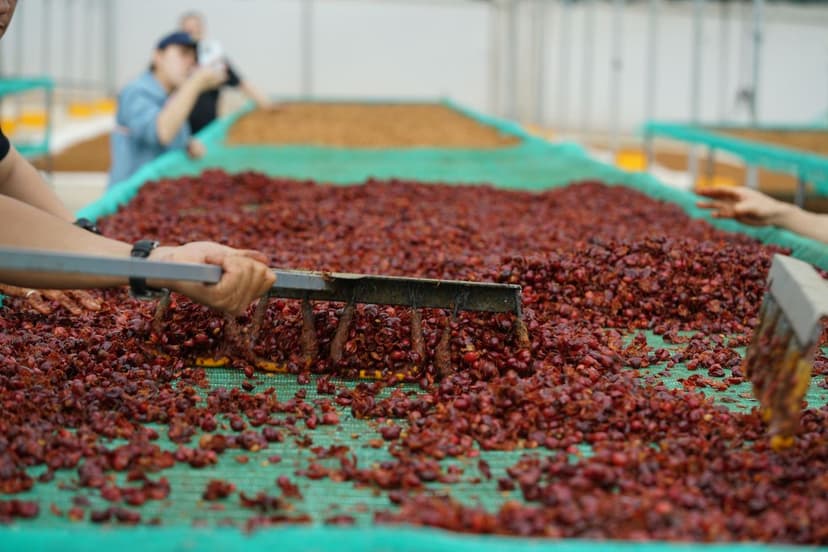
Soil pH not only affects nutrient availability but also influences microbial activity. For example, a pH between 5.5 and 6.5 is optimal for most berry crops, as it allows for greater absorption of micronutrients such as iron, manganese, and zinc. Studies have shown that a pH below 5.0 can result in nutritional deficiencies, which may lead to a decrease in plant yield, with reductions of up to 30% in strawberry crops, according to research conducted by the University of California.
Soil Texture and Its Relevance
Soil texture, which refers to the proportion of sand, silt, and clay particles, affects water retention and aeration. Sandy soils, for example, drain quickly, which can be beneficial in humid climates but detrimental during dry periods. On the other hand, clay soils retain more water but can cause compaction issues. An ideal balance is found in loamy-sand soils, which combine good water retention and aeration. Research indicates that soils with 30-50% clay particles are ideal for berry cultivation, as they offer good water retention capacity without compromising aeration.
Strategies for Optimal Soil
To optimize soil management in berry cultivation, various strategies can be implemented:
1. Crop Rotation
Crop rotation helps maintain soil fertility and reduce pest and disease pressure. Alternating berry crops with other species can improve soil health and optimize production. For example, growing legumes such as beans or peas can increase soil nitrogen levels, benefiting berry crops that require high levels of this nutrient. A study conducted by the University of Florida showed that rotating strawberries with legumes increased yield by 25% compared to fields where strawberries were grown continuously.
2. Cover Crops
Cover crops are an excellent way to protect the soil. These plants help prevent erosion, improve soil structure, and contribute organic matter when they decompose. Specifically, using species such as clover or oats can be beneficial, as they not only protect the soil but also enhance microbial biodiversity. According to a study from the University of Wisconsin, incorporating cover crops into berry cultivation systems improved soil moisture retention by 15% and reduced erosion by 40%.
3. Sustainable Fertilization
Using organic fertilizers and biostimulants can improve nutrient availability and increase plant productivity. The application of these products should be carried out in a planned manner, taking into account the results of soil analyses. For example, applying nitrogen-rich compost can supplement chemical fertilization, reducing dependence on synthetic fertilizers. A study conducted on blueberry crops showed that combining algae-based biostimulants with organic compost increased production by 20% compared to using only chemical fertilizers.
4. Erosion Control
Implementing techniques to control erosion, such as terraces and vegetative barriers, is essential for protecting the soil and ensuring the sustainability of agricultural practices. Vegetative barriers, such as hedges and strips of vegetation, can reduce the speed of runoff water and, consequently, soil erosion. A study in the Patagonia region showed that implementing terraces in berry crop fields reduced soil loss by 50% and improved water quality in surrounding areas.
Biostimulants and Soil
Biostimulants play a crucial role in optimizing soil management. These products, based on natural extracts and beneficial microorganisms, help improve soil health and nutrient use efficiency.
Some benefits of biostimulants include:
- Improved microbial activity: They promote a healthy ecosystem in the soil.
- Increased nutrient availability: They facilitate the absorption of essential nutrients.
- Stress resilience: They help plants tolerate adverse conditions, such as droughts or excess moisture.
Types of Biostimulants
There are different types of biostimulants that can be used in berry cultivation, including:
- Algae extracts: These biostimulants are rich in phytohormones and micronutrients. Studies have shown that applying algae extracts can increase strawberry yield by 15%.
- Beneficial microorganisms: Such as mycorrhizae, which improve nutrient and water absorption. Research indicates that inoculation with mycorrhizae can increase blueberry production by 30%.
- Humic and fulvic acids: They improve soil structure and nutrient availability. Their use has been shown to increase water retention capacity in sandy soils by 20%.
Application of Biostimulants
When selecting biostimulants for your berry crops, it is important to choose products that align with the specific needs of your soil and plants. Additionally, implementing an appropriate application program will maximize the benefits. A recommended approach is foliar and soil application at different stages of plant growth. For example, foliar application during the flowering phase can increase fruit set, while soil application before planting improves nutrient availability from the start of the crop cycle.
Practical Example of Biostimulant Application
A successful example of biostimulant application in berry cultivation can be observed on a farm in Washington State. On this farm, a fertilization program was implemented that included the application of an algae-based biostimulant combined with organic compost. During one crop cycle, algae extracts were applied to strawberries during the vegetative growth and flowering stages. As a result, farmers noted an increase in fruit production, reaching 25% more compared to crops treated only with chemical fertilizers. Furthermore, fruit quality, measured in terms of size and flavor, improved significantly, increasing their market value.
Soil Monitoring and Evaluation
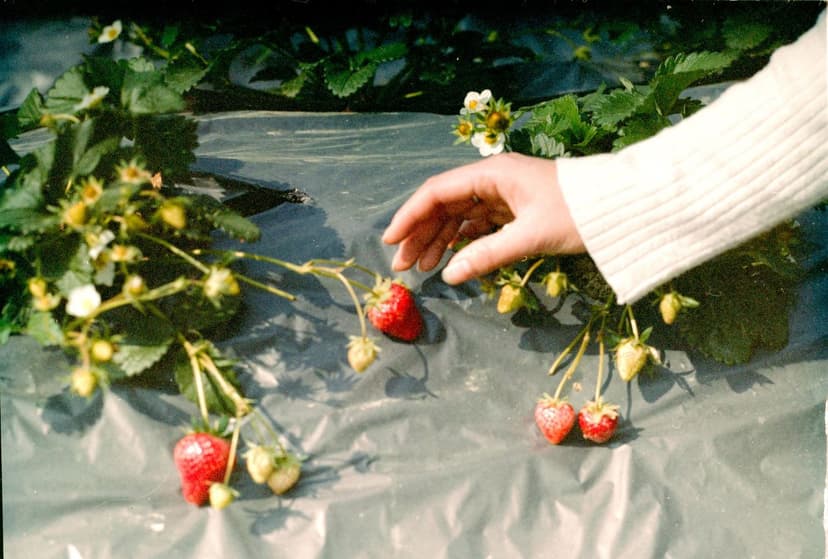
Constant monitoring of soil conditions is essential to ensure optimal berry production. This includes evaluating the chemical composition, physical structure, and biological activity of the soil. A systematic monitoring approach allows farmers to make adjustments to management practices and maximize yields.
1. Regular Soil Analysis
Conducting soil analysis every 1-2 years is recommended to identify changes in soil fertility and composition. These analyses provide crucial information on pH, organic matter, nutrient levels, and the presence of contaminants. For example, a study on raspberry crops in Oregon showed that regular soil analysis allowed farmers to adjust their fertilizer applications, resulting in a 15% increase in yield.
2. Monitoring Microbial Activity
Microbial activity is a key indicator of soil health. Techniques such as measuring soil respiration and counting microorganisms can provide information on the biological activity of the soil. Soil with high microbial activity is better able to decompose organic matter and release nutrients. Studies have shown that microbial diversity in berry crop soils is positively correlated with crop yield, highlighting the importance of maintaining a healthy microbial ecosystem.
3. Assessment of Soil Erosion and Compaction
Soil erosion and compaction are serious issues that can affect berry production. Assessing the extent of erosion through techniques such as measuring soil loss in cultivation areas is crucial for implementing appropriate conservation practices. For example, installing vegetative barriers and creating terraces have proven effective in reducing erosion by 50%, ensuring the long-term sustainability of crops.
4. Use of Technology in Soil Monitoring
Modern technology has enabled the development of advanced tools for soil monitoring. Moisture sensors, drones for evaluating vegetation cover, and satellite image analysis are examples of how precise information about soil health can be obtained. These devices allow real-time monitoring of soil conditions, helping farmers make informed and timely decisions. A study conducted on blueberry crops on the east coast of the USA showed that using moisture sensors reduced irrigation by 20% without affecting crop yield.
Related Articles
- Micronutrients in Healthy Berries: Their Importance
- Influence of Irrigation on Berry Quality
- Well-Fertilized Berries: Why Does It Affect Their Quality?
Need Professional Help?
At Ecoganic in Spain, Europe, we offer certified Biostimulants and Organic Fertilizers. Call us: +34 623 753 719.
Conclusions
Effective soil management is fundamental for sustainable berry production. Implementing appropriate fertilization practices, crop rotation, and the use of biostimulants can result in a significant increase in productivity and crop health. Furthermore, attention to factors such as pH, soil texture, and organic matter will allow farmers to optimize their yields and contribute to the sustainability of the agricultural system as a whole. In a world where the demand for sustainable agricultural production continues to grow, adopting an approach based on soil management and the use of biostimulants is more relevant than ever, not only to maximize yields but also to care for the environment and preserve resources for future generations.
5. Implementation of Conservation Practices
Soil conservation practices, such as minimum tillage or conservation tillage, are essential for maintaining soil structure and reducing erosion. These practices minimize soil disturbance, which helps preserve the nutrient-rich topsoil layer and its microorganisms. In a case study on a blackberry plantation in California, minimum tillage reduced soil loss by 60% compared to conventional tillage, resulting in an 18% increase in fruit production over two seasons.
6. Incorporation of Organic Matter
Adding organic matter, such as compost or manure, is crucial for improving soil structure and increasing nutrient and water retention capacity. Organic matter also acts as a nutrient reservoir, releasing them slowly and enhancing long-term soil fertility. A study on blueberry crops in New Jersey showed that incorporating 20% organic matter into the soil increased nitrogen availability by 30% and improved water retention capacity, leading to a 25% increase in crop yield.
7. Water Quality Monitoring
The quality of irrigation water also plays a fundamental role in soil health and berry production. Monitoring contaminants such as salts and heavy metals is essential, as these can affect plant health and fruit quality. A study on a strawberry plantation in Florida demonstrated that using irrigation water with low salt content improved root growth and increased fruit yield by 20% compared to using lower-quality water.
8. Use of Biostimulants in Degraded Soil Recovery
Biostimulants can also be key in recovering degraded soils. In cases where soil has suffered nutrient and structural loss, applying biostimulants can help restore biological activity and fertility. For example, in a soil rehabilitation project on a raspberry plantation in the Pacific Northwest, biostimulants based on beneficial microorganisms were applied. Results showed a 40% increase in microbial biomass and a significant improvement in soil structure after six months of treatment, leading to a 30% increase in raspberry yield by the end of the season.
9. Farmer Training and Education
Farmer training and education in soil management techniques and the use of biostimulants are essential to maximize the benefits of these practices. Training programs that include practical workshops on soil analysis, biostimulant application, and water conservation can empower farmers to adopt more sustainable approaches. A study in a berry producer cooperative in Chile showed that after participating in a training program, farmers reported a 35% increase in the adoption of sustainable management practices, which translated into an average 20% increase in crop yields.
10. Integration of Precision Technologies
The incorporation of precision technologies in soil management is crucial for optimizing resources and increasing efficiency. The use of technologies such as precision agriculture allows inputs to be applied exactly where they are needed, minimizing waste and maximizing effectiveness. For example, using soil variability maps enables farmers to identify specific areas requiring differential treatments, which can result in a 15% increase in productivity. Additionally, the use of precision drip irrigation systems has been shown to reduce water consumption by 30%, which is vital in drought-prone regions.
11. Regenerative Agriculture Practices
Regenerative agriculture focuses on restoring soil health and increasing biodiversity in the agricultural ecosystem. Practices such as agroforestry, which combines berry crops with trees, can improve biodiversity and provide shade, thereby reducing water stress in plants. A study on a blackberry farm in Brazil demonstrated that implementing agroforestry systems increased soil microbial biodiversity by 50%, which in turn improved plant health and crop yields by 20% compared to conventional crops. This integration not only benefits the crops but also contributes to climate change mitigation through carbon sequestration.
Frequently Asked Questions
How can soil pH affect berry production?
Soil pH influences nutrient availability, allowing plants to absorb what they need for growth.
What type of biostimulants are most effective for berries?
Biostimulants with seaweed extracts and microorganisms are highly effective for improving crop quality.
How often should I perform soil analysis?
It is recommended to perform analysis at least once a year to monitor soil health.
Is it possible to improve soil quality in already established berry crops?
Yes, it can be improved by adding organic matter and using biostimulants.
How do climatic conditions affect soil management?
They affect compaction, erosion, and water retention capacity, influencing crop health.