
Learn how to manage heat stress in organic raspberry cultivation using biostimulants, irrigation, and plant cover. Improve productivity and fruit quality. Request your free quote.
Introduction
Organic raspberry is a high-value crop facing growing challenges due to climate change. Heat stress, caused by extreme temperatures, reduces photosynthesis, affects fruit set, and decreases harvest quality. In organic systems, where synthetic products are not used, managing this stress requires integrated strategies that combine agronomic practices and natural biostimulants. This article explores the causes, symptoms, and solutions for heat stress in raspberry, with a focus on Latin American organic agriculture, including examples from producing regions such as Mexico, Chile, and Colombia.
Managing heat stress in organic raspberry is essential to maintain crop profitability. High temperatures can cause dehydration, cellular damage, and yield reductions of up to 30%. However, through the use of biostimulants based on microalgae, fulvic acids, and micronutrients, it is possible to improve plant tolerance to heat. In this article, we present a technical approach based on plant physiology and field experience, offering practical recommendations for growers.
What is heat stress and how does it affect raspberries?
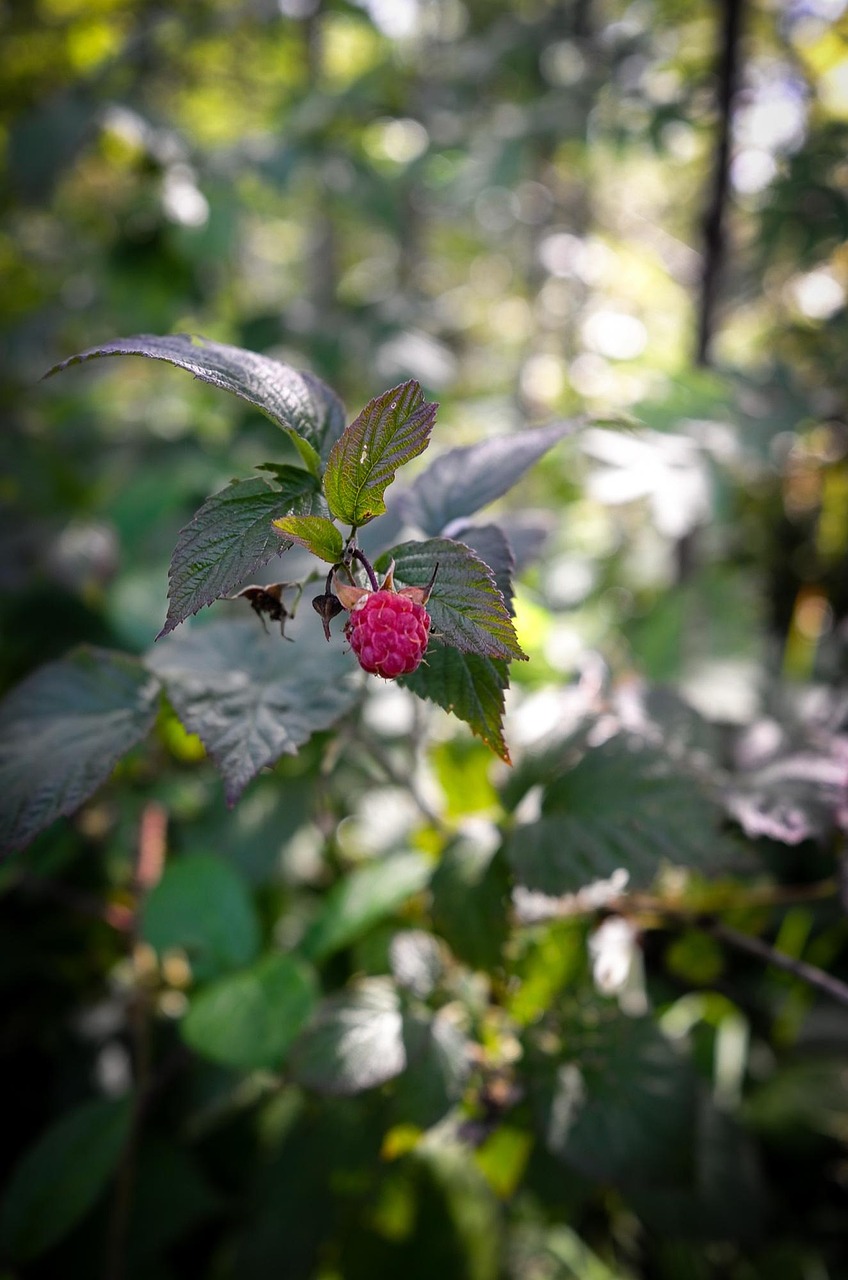
Heat stress occurs when temperatures exceed the crop's optimal range, which for raspberries is between 15 and 25 °C during the day. Temperatures above 30 °C can cause direct damage to leaves, flowers, and fruits, as well as indirect stress by increasing transpiration and water demand. Under extreme heat conditions, plants close their stomata to conserve water, which reduces CO₂ intake and photosynthesis. This phenomenon triggers a cascade of negative effects: lower carbohydrate production, flower abortion, small and low-quality fruits, and increased susceptibility to diseases.
In raspberries, heat stress also affects flower differentiation and bud development. Research from the University of Chile indicates that temperatures above 32 °C during flowering reduce fruit set by more than 50%. Additionally, heat accelerates ripening, but the fruits are smaller and less firm, which decreases their postharvest life. In organic systems, where synthetic growth regulators cannot be used, it is crucial to implement preventive and corrective measures based on biostimulation and microclimate management.
Symptoms of heat stress in raspberries
Identifying the symptoms of heat stress in time allows for timely management decisions. The most common signs include:
- Temporary wilting: Leaves become flaccid during the hottest hours but recover by evening if the stress is not severe.
- Leaf scorch: Necrotic spots appear on the edges and tips of leaves, especially on young leaves exposed to direct sunlight.
- Flower abortion: Flowers dry up and fall prematurely, reducing the number of fruits per plant.
- Small and misshapen fruits: Heat affects cell division and fruit filling, resulting in smaller berries with irregular shapes.
- Accelerated ripening: Fruits ripen before reaching optimal size, with lower soluble solids content and unbalanced acidity.
In regions such as the Valley of Mexico or central Chile, where temperatures can exceed 35 °C in summer, these symptoms are common. Constant monitoring of the plants' water and health status allows for detecting stress before it causes significant losses.
Agronomic strategies to mitigate heat stress
Selection of tolerant varieties
The selection of varieties adapted to warm climates is the first line of defense. Varieties such as 'Heritage', 'Autumn Bliss', and 'Dorman Red' show greater heat tolerance in trials conducted by INIA Chile. However, in organic agriculture, it is important to select materials that also exhibit disease resistance and a good response to biostimulation.
Microclimate management with shade nets
Shade nets (30-50% shade) reduce direct solar radiation and leaf temperature by up to 5 °C. Their use is especially beneficial during peak radiation hours (11:00-16:00). In organic crops, light-colored nets that do not interfere with photosynthesis are recommended. Installing nets over tunnels or metal structures allows for better microclimate control.
Soil management with plant cover
Soil cover with organic mulch (straw, pine bark, compost) reduces soil temperature, maintains moisture, and decreases evaporation. Studies from the National University of Colombia show that using plant cover reduces soil temperature by 4-6 °C and improves microbial activity. Additionally, mulch adds organic matter to the soil, promoting water and nutrient retention.
Use of biostimulants in organic raspberry
Biostimulants are key tools in organic agriculture to mitigate heat stress. Products based on microalgae such as Chlorella vulgaris and Arthrospira platensis (spirulina) contain bioactive compounds like betalains, polyamines, and antioxidants that protect cell membranes and maintain active photosynthesis. Foliar application of microalgae biostimulants at doses of 2-4 L/ha every 10-14 days during heat periods has been shown to increase thermal tolerance in raspberry, according to field trials conducted by Ecoganic.
Fulvic acids and micronutrients such as zinc, manganese, and silicon also play an important role. Zinc activates antioxidant enzymes like superoxide dismutase, which neutralizes free radicals generated by stress. Silicon strengthens cell walls and reduces transpiration. The combination of these compounds in a foliar fertilization program can improve water use efficiency and net photosynthesis. For more information, visit our page on organic agricultural biostimulants.
Additionally, fulvic acids for organic agriculture improve nutrient absorption and water retention capacity in the soil, which is crucial during heat waves. Root application of fulvic acids at a rate of 5-10 L/ha every 15 days helps maintain cell turgor and reduces osmotic stress.
Irrigation and plant cover management
Drip irrigation is the most efficient system for organic raspberry cultivation, as it allows water to be applied directly to the root zone, minimizing evaporation losses. During periods of heat stress, it is recommended to increase irrigation frequency (2-3 times per day) with moderate volumes to maintain constant soil moisture. Irrigation scheduling based on soil moisture sensors or tensiometers prevents both water deficit and excess.
Plant cover with cover crops (oats, vetch, clover) between raspberry rows reduces soil temperature and evaporation, while also fixing nitrogen and improving soil structure. In organic systems, cover crop planting must be planned so that they do not compete with the main crop for water during the dry season. Integrated management of irrigation and plant cover can reduce canopy temperature by 2-3 °C, mitigating heat stress.
Integrated management plan for organic raspberry
An effective plan combines the above strategies synergistically. A practical outline is provided below:
| Phenological stage | Action | Frequency |
|---|---|---|
| Pre-flowering | Application of microalgae biostimulant (2 L/ha) + fulvic acids (5 L/ha) via foliar and root | Every 15 days |
| Flowering | Drip irrigation with humidity sensors; 40% shade netting | Daily (irrigation) |
| Fruit filling | Foliar application of micronutrients (Zn, Mn, Si); organic mulch cover | Every 10 days |
| Post-harvest | Crop status assessment; irrigation and cover adjustment | Weekly |
This plan must be adapted to local conditions, considering the climate, soil type, and availability of certified organic inputs. Technical advice from an agronomist with experience in organic crops is recommended to optimize results. For more details on fertilization programs, visit our page on field trials and results.
Related articles
Do you need professional help?
At Ecoganic in Spain, Europe, we offer certified Biostimulants and Organic Fertilizers. Call us: +34 623 753 719.
FAQ
1. What are the critical temperatures for raspberry?
Raspberry suffers thermal stress when daytime temperatures exceed 30 °C. Above 35 °C, damage is severe, with flower abortion and reduced fruit set. Nighttime temperatures above 20 °C also affect respiration and sugar accumulation.
2. How do biostimulants help mitigate thermal stress?
Biostimulants contain compounds such as antioxidants, osmolytes, and phytohormones that protect cell membranes, maintain photosynthesis, and improve water use efficiency. Microalgae, for example, provide betalains and polyamines that reduce oxidative damage.
3. What type of ground cover is most effective?
Organic mulch such as straw or pine bark reduces soil temperature and evaporation. Cover crops like oats or clover are also effective but must be managed to avoid competition for water. Combining both usually yields the best results.
4. How often should I apply biostimulants during a heatwave?
It is recommended to apply biostimulants via foliar spray every 7-10 days during periods of intense heat, preferably during the cooler hours of the day (morning or evening). Root applications can be spaced to every 15 days.
5. Is drip irrigation sufficient to mitigate thermal stress?
Yes, drip irrigation is efficient, but it should be complemented with other strategies such as shading and biostimulants for comprehensive management. Monitoring soil moisture is key to avoiding water stress.
Advanced strategies for mitigating thermal stress in organic raspberry
Heat stress in organic raspberry cultivation represents one of the main productive challenges in the context of climate change, directly affecting crop physiology during months of highest radiation. When temperatures exceed 30°C for more than four consecutive hours, a significant reduction in net photosynthetic rate is triggered, which can reach up to 40% in varieties such as 'Heritage' or 'Amity'. This phenomenon is mainly due to stomatal closure induced by vapor pressure deficit, which limits CO2 fixation and triggers an increase in mitochondrial respiration. Under moderate stress conditions (32-35°C), a 25% drop in potential yield has been documented, while during severe episodes (>38°C) losses can exceed 60% if corrective measures are not implemented. The key lies in understanding that raspberry, being a temperate climate crop, lacks efficient foliar thermoregulation mechanisms, making it particularly vulnerable to prolonged heat waves.
From an organic agronomic management perspective, the implementation of dynamic shading systems has proven to be one of the most effective strategies for reducing canopy temperature. Recent studies in organic raspberry plantations in the Huelva region indicate that installing shade nets with a density of 30-40% (shade factor 0.3-0.4) can decrease leaf temperature by 4 to 6°C during peak radiation hours, maintaining net photosynthesis at optimal levels. It is crucial to select white or aluminized nets, as they reflect infrared radiation without significantly altering the photosynthetically active radiation (PAR) spectrum. Field data show that this practice, combined with proper orientation of crop rows (north-south to maximize mutual shading), can increase marketable production by 18-22% during the months of July and August. Furthermore, it is recommended to install the nets at least 15 days before the expected onset of high temperatures to allow for gradual crop acclimatization.
Another fundamental pillar in mitigating heat stress is precision water management, tailored to the demands of the raspberry's shallow root system (effective depth of 30-40 cm). Under heat stress conditions, the evapotranspiration rate can increase up to 1.5 times compared to baseline values, requiring adjustments to irrigation frequency without causing waterlogging. The most efficient strategy in organic production involves applying short irrigations (15-20 minutes) every 2-3 hours during the critical period (from 11:00 a.m. to 5:00 p.m.), using drip systems with a flow rate of 2-3 L/h and pressure-compensating emitters. This technique, known as "pulse irrigation," maintains soil moisture in the range of 80-90% of field capacity, promoting transpiration as a natural cooling mechanism. Controlled trials show that this practice reduces plant tissue temperature by an additional 2-3°C, with a 12-15% increase in water use efficiency (WUE). It is essential to monitor the electrical conductivity of the saturation extract, keeping it below 1.5 dS/m to avoid ionic toxicities that could worsen stress.
Specific nutrition with biostimulants based on osmoprotective compounds represents a highly valuable complementary tool in the organic management of heat stress. Foliar application of proline (0.5-1 g/L) and glycine betaine (0.3-0.5 g/L) at three key moments (pre-stress, during stress, and post-stress) has shown compelling results: a 30% increase in total antioxidant capacity of leaves, a 45% reduction in lipid peroxidation (measured as MDA), and maintenance of photosystem integrity. In combination with seaweed extracts (Ascophyllum nodosum at 0.2%), it has been possible to stabilize the production of first-quality fruit by 85% during moderate heat stress episodes. It is crucial to apply these products in the early morning hours (6:00-8:00 a.m.) to maximize foliar absorption and avoid phytotoxicities. Field data
Frequently Asked Questions
What are the critical temperatures for raspberries?
Raspberries suffer heat stress when temperatures exceed 30°C during the day. Above 35°C, damage is severe, with flower abortion and reduced fruit set. Nighttime temperatures above 20°C also affect respiration and sugar accumulation.
How do biostimulants help mitigate heat stress?
Biostimulants contain compounds such as antioxidants, osmolytes, and phytohormones that protect cell membranes, maintain photosynthesis, and improve water use efficiency. Microalgae, for example, provide betalains and polyamines that reduce oxidative damage.
What type of ground cover is most effective?
Organic mulch such as straw or pine bark reduces soil temperature and evaporation. Cover crops like oats or clover are also effective, but must be managed to avoid competition for water. Combining both usually yields the best results.
How often should I apply biostimulants during a heatwave?
It is recommended to apply biostimulants via foliar spray every 7-10 days during periods of intense heat, preferably during the cooler hours of the day (morning or evening). Root applications can be spaced to every 15 days.
Is drip irrigation sufficient to mitigate thermal stress?
Yes, drip irrigation is efficient, but it should be complemented with other strategies such as shading and biostimulants for comprehensive management. Monitoring soil moisture is key to avoiding water stress.