
Discover the amazing connection between your gut and agricultural soil. Learn how organic foods nourish your gut microbiota, improve your health, and at the same time, regenerate the health of the Earth.
1. Introduction: Beyond the Visible – The Hidden Connection Between Your Gut and the Soil
In a world where we seek well-being and health, we often forget to look beyond the obvious. There is a hidden connection between your gut and the soil, a surprising relationship that influences our health and that of the planet. The growing awareness of the importance of health and well-being has led many people to explore healthier diets and lifestyles. However, the fundamental connection between human health and the health of the planet, specifically through the relationship between our gut and agricultural soil, is often overlooked. Let's talk about the gut microbiota, that complex ecosystem of microorganisms that resides inside us and plays a crucial role in our digestion, immunity, and even our mood. It is estimated that our gut harbors trillions of microorganisms, belonging to thousands of different species, each with specific functions that contribute to our overall health. And let's think about organic agriculture, a system that focuses on soil health, understanding that a living, balanced soil is the foundation for more nutritious food and a healthier planet. Organic agriculture not only focuses on avoiding synthetic chemicals but also on fostering biodiversity and the long-term health of agricultural ecosystems. But how are these two seemingly separate worlds actually connected? How do organic foods influence the microbiota and, by extension, our overall well-being and the health of the Earth? Join us on this journey to unveil the fascinating gut-soil connection.
2. Gut Microbiota: An Invisible Ecosystem That Governs Your Well-being
Imagine an invisible universe within you, a complex and dynamic ecosystem inhabited by trillions of microorganisms: bacteria, viruses, fungi, and archaea. This is your gut microbiota, also known as intestinal flora, a microbial community residing mainly in your large intestine that governs your well-being in ways you may never have imagined. Beyond digestion, microbiota and digestive health are intimately linked. A healthy microbiota diet is key to maintaining the balance of this internal ecosystem. A healthy gut microbiota strengthens our immune system, acting as a barrier against pathogens and helping to modulate the immune response. It also protects us from pathogens, helps synthesize essential vitamins such as vitamin K and some B vitamins, influences our energy metabolism, and even communicates with our brain through the gut-brain axis, affecting our mood, stress levels, and mental health. For example, certain gut bacteria produce neurotransmitters like serotonin, which plays a crucial role in mood regulation. Maintaining a diverse and balanced microbiota is essential for optimal health, and factors such as the Western diet, rich in processed foods, sugars, and saturated fats, chronic stress, excessive use of antibiotics that can eliminate both harmful and beneficial bacteria, and limited contact with nature that reduces our exposure to a diversity of environmental microorganisms can damage the gut microbiota, unbalancing it (a state known as dysbiosis) and opening the door to various diseases such as inflammatory bowel diseases, obesity, type 2 diabetes, and even some neurological disorders. According to Medical News Today, the gut microbiota is the system of microorganisms in a person's gastrointestinal tract, crucial for digestion and immune defense.
3. Agricultural Soil: A Microbial World Beneath Our Feet (and in Our Food)
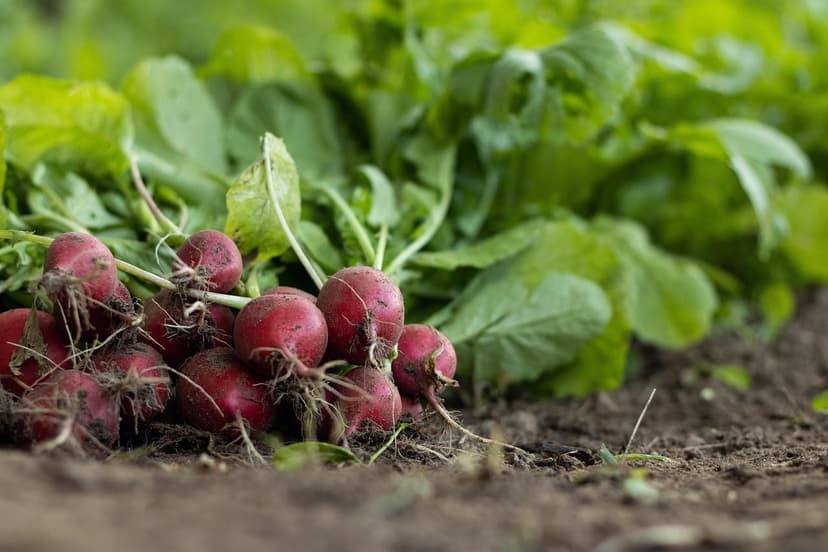
Just as our gut harbors a microbial universe, agricultural soil is much more than inert earth. It is a microbial world beneath our feet, a vibrant and complex subterranean ecosystem teeming with microscopic life. The soil microbiota is essential for soil fertility, structure, and health. These beneficial microorganisms, such as bacteria (including nitrogen-fixing ones like Rhizobium), fungi (including mycorrhizae that help plants absorb nutrients), protozoa, and nematodes, participate in vital biogeochemical cycles, decompose organic matter, releasing essential nutrients for plants, fix atmospheric nitrogen, converting it into forms plants can use, mobilize nutrients like phosphorus, making them available to plant roots, and protect plants from diseases through competition and the production of antimicrobial compounds. A healthy soil healthy food microbiota are intrinsically linked. The quality of our food largely depends on the health and biodiversity of the soil in which it is grown. A living soil is a soil rich in microbial life, capable of nurturing strong, healthy plants, which in turn will nourish us with a higher concentration of nutrients and bioactive compounds. Conversely, a degraded soil, impoverished in organic matter and microbial life due to intensive agricultural practices, produces food of lower nutritional quality and less beneficial to our health. The loss of biodiversity in the soil can also make plants more susceptible to diseases and pests, which in turn can lead to increased pesticide use.
4. Conventional Agriculture vs. Organic Agriculture: Differential Impact on Soil Microbiota (and Your Gut)
The way we grow our food has a direct impact on the soil microbiota and, indirectly, on our own gut microbiota. Conventional agriculture, with its intensive focus on short-term production, often resorts to practices that damage the soil microbiota:
- Chemical Pesticides and Herbicides: The use of pesticides and gut microbiota is a growing concern. These chemicals, designed to eliminate pests, can also negatively affect beneficial soil microorganisms, reducing their diversity and activity. For example, glyphosate, a widely used herbicide, has been shown to have detrimental effects on certain soil bacteria. Additionally, pesticide residues in food can reach our intestines and potentially alter our own microbiota. Although the amounts may be small, chronic exposure to multiple pesticides could have cumulative effects on gut health.
- Synthetic Chemical Fertilizers: While they provide nutrients to plants, chemical fertilizers' impact on microbiota can unbalance the soil in the long term, decreasing the organic matter that is the main food source for soil microbiota and negatively affecting microbial diversity. Excessive use of nitrogen fertilizers, for example, can reduce the activity of nitrogen-fixing bacteria.
- Monocultures: The repetition of monocultures impoverishes soil diversity, as it reduces the variety of nutrients and organic matter contributed to the soil by different types of plants, limiting the diversity of microorganisms that can thrive. A diverse soil harbors a more resilient microbiota capable of performing a wider range of beneficial functions.
In contrast, organic agriculture is based on principles that promote soil microbiota. Organic farming practices such as crop rotation, which introduces different types of organic matter into the soil, the use of organic fertilizers, the planting of cover crops that protect the soil from erosion and contribute biomass, and the drastic reduction or elimination of chemical pesticides, create a favorable environment for the development of a rich and diverse soil microbiota. This organic biological agriculture microbiota produces organic foods gut flora that are more friendly, while regenerating soil health, improving its structure, increasing its water retention capacity, and sequestering carbon from the atmosphere. Practices such as agroforestry, which integrates trees and crops, and no-till farming, which minimizes soil disturbance, also significantly contribute to the health of the soil microbiota.
5. Organic Foods: Nutrition for Your Microbiota and for a Healthy Planet
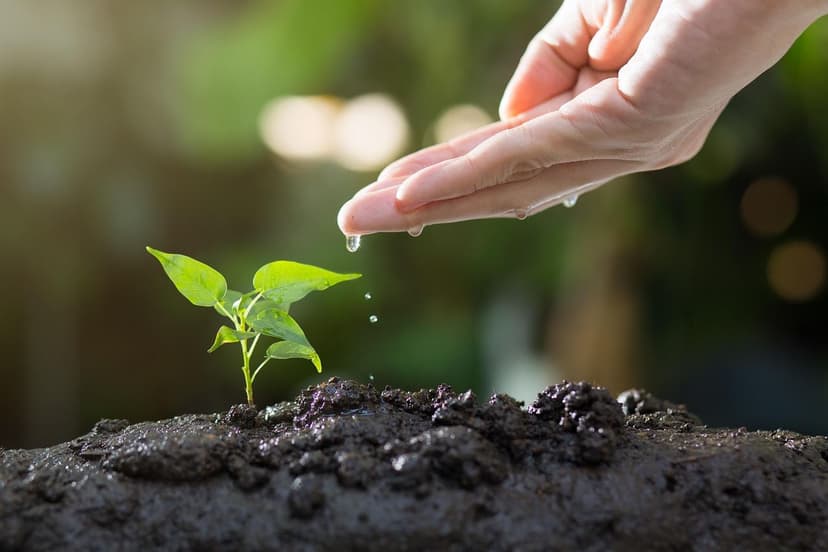
Organic foods, grown in living soils and without synthetic pesticides, represent a source of nutrition for your microbiota and for a healthy planet. Organic agriculture microbiota offers significant advantages:
- Lower Pesticide Exposure: By choosing pesticide-free foods, we reduce the exposure of our gut microbiota to chemical substances that could harm it. Even small amounts of pesticides can have long-term negative effects on the delicate balance of our intestinal ecosystem.
- Potential Higher Nutritional Richness: Studies suggest that the benefits of organic foods for health include a higher content of certain nutrients, such as vitamins (e.g., vitamin C), minerals (e.g., iron and magnesium), and antioxidants (such as polyphenols), which are important for overall health and for feeding our microbiota. These nutrients act as substrates for the growth and activity of beneficial bacteria.
- Quality Prebiotic Fiber: Prebiotic fiber in organic foods is often more abundant and of higher quality in organic foods, as healthy, balanced soils produce more robust plants rich in fiber, the preferred food of our beneficial gut bacteria. Prebiotic fiber, such as inulin and fructooligosaccharides, selectively feeds beneficial bacteria in our gut, promoting their growth and activity.
- Beneficial Bioactive Compounds: Organically grown plants can produce higher amounts of bioactive compounds such as polyphenols, which have prebiotic effects, stimulating the growth of beneficial bacteria in our gut and also acting as antioxidants that protect our cells.
- Organic Fermented Foods: Fermented foods for microbiota such as organic sauerkraut, kimchi, or kefir are an excellent source of natural probiotics in foods, live microorganisms that can enrich and diversify our gut microbiota. These organically fermented foods ensure that the probiotics we consume are not accompanied by pesticide residues.
When buying organic foods for microbiota, we are not only nourishing our bodies with healthier food but also supporting a sustainable agricultural system that regenerates soil health, protects biodiversity, reduces water and air pollution, and contributes to a healthier planet for future generations.
6. Practical Tips to Nourish Your Microbiota with Organic Foods (and Support Sustainable Agriculture)
Incorporating organic foods to naturally improve gut microbiota is easier than you think. Here are some practical tips to start nourishing your microbiota with organic foods while also supporting sustainable agriculture:
- Increase Consumption of Seasonal Organic Fruits and Vegetables: Prioritize organic fruits and vegetables that are fresh and in season, as they are richer in nutrients and flavor. Try to fill half your plate with vegetables at each meal. Explore the variety of organic products available in your region throughout the year.
- Incorporate Organic Fermented Foods into Your Diet: Enjoy organic fermented foods such as kefir yogurt, sauerkraut, kimchi, or kombucha, which provide natural probiotics beneficial for your microbiota. Look for organic versions of these foods or learn to prepare them at home using organic ingredients.
- Choose Organic Whole Grains and Legumes: Opt for organic whole grains (oats, quinoa, brown rice, barley) and organic legumes (lentils, chickpeas, beans, peas), which are rich in prebiotic fiber and essential nutrients. These foods provide the necessary fuel for the growth of beneficial bacteria in your gut.
- Shop at Local Markets and Directly from Organic Farmers: Support local organic farmers by buying directly at farmers' markets, organic farming stores, or consumer groups. This ensures you get fresh, seasonal organic foods for microbiota while promoting local and sustainable agriculture, reducing the carbon footprint associated with food transport, and knowing the origin of your food.
- Reduce Consumption of Ultra-Processed Foods and Products with Pesticides: Minimize the intake of ultra-processed foods, high in sugars, saturated fats, and artificial additives that can harm your microbiota, and prioritize organic foods without pesticides to protect your gut health. Read food labels and choose whole, minimally processed options.
- Cook at Home with Organic Ingredients: Prepare healthy microbiota recipes with organic foods at home. Cooking allows you to control the ingredients and ensure you are using quality foods that benefit your health and your microbiota. Search for organic microbiota recipes online for inspiration on dishes rich in fiber, fermented vegetables, and other gut-friendly ingredients. Consider including prebiotic ingredients in your recipes, such as onion, garlic, asparagus, and artichokes.
7. Conclusion: Cultivate Your Gut Health and the Planet's Future with Organic Agriculture
The gut-soil connection reveals a fundamental truth: our health and the health of the planet are intrinsically intertwined. By choosing organic foods, we are not only nourishing our gut microbiota and improving our digestive, immune, and overall health, but we are also supporting an agricultural model that regenerates the land, protects biodiversity, reduces pollution, and builds a more sustainable future for all. Cultivating our gut health and cultivating the planet's future go hand in hand, and organic agriculture emerges as a promising path to achieve both goals. Start today by incorporating organic foods into your diet and supporting farmers who care for the land. Discover more about how to support organic agriculture and find quality products that respect the soil and your health at Ecoganic. You can also explore the biostimulant and fertilizer solutions from Ecoganic.io for healthier agriculture.