

Discover how irrigation influences berry quality and optimize your harvest with our biostimulants. Contact us and improve your results!
Introduction
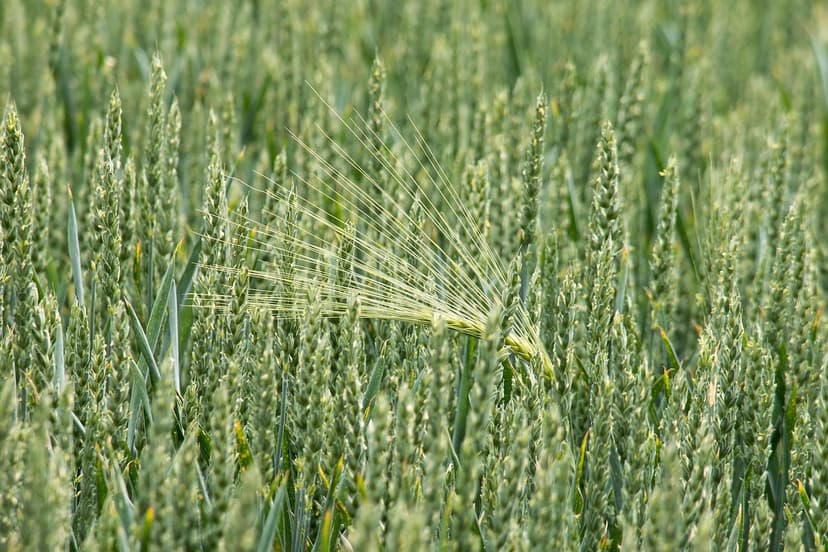
The quality of berries is intrinsically linked to irrigation management. Proper irrigation not only optimizes plant growth but also enhances the organoleptic characteristics of the fruits. In this article, we will explore how irrigation influences berry quality and how biostimulants can play a crucial role in this process.
Importance of Irrigation in Berry Quality

Irrigation is a determining factor in berry production, as it affects fundamental aspects such as sugar content, acidity, and fruit size. Inadequate irrigation can result in lower-quality fruits, with issues like cracking or uneven development. A study by the FAO indicates that soil management and irrigation management can be key to optimizing crop quality, including berries.
Key Irrigation Factors
- Frequency and Amount: Consistent and adequate irrigation ensures that plants have access to the necessary amount of water for their development. The ideal frequency can vary between 2 to 4 times per week, depending on climatic conditions and soil type. A study published in the Journal of Agricultural Science suggests that an irrigation frequency of 3 times per week in sandy soils can increase fruit yield by 15%.
- Irrigation Type: Systems such as drip irrigation allow for better water distribution, minimizing waste. This method can reduce water usage by 30-50% compared to sprinkler irrigation. Additionally, drip irrigation has been shown to improve fruit size uniformity, which is crucial for marketing.
- Irrigation Timing: It is crucial to adjust irrigation at different stages of crop growth, especially during flowering and fruit ripening. Research has shown that irrigation during the fruit-filling phase can increase sugar content by 20%. For example, studies conducted on blueberry crops have shown that proper irrigation during this phase can increase sugar content by 10% compared to inadequate irrigation.
Biochemical Mechanisms of Irrigation
Irrigation not only affects water availability but also influences biochemical processes within the plant. For instance, proper irrigation can increase the activity of the enzyme invertase, which is responsible for converting sucrose into fructose and glucose, thereby improving the flavor profile of berries. Furthermore, constant access to water promotes the synthesis of phenolic compounds, which are essential for the antioxidant quality of the fruits. A study conducted by the University of California found that proper irrigation increased anthocyanin production in berries by 25%, contributing to improved color and antioxidant properties.
Effects of Water Stress on Berry Quality
Water stress can have significant adverse effects on berry quality. Lack of water can lead to an increase in soluble solids concentration, which may seem beneficial but can actually result in less appealing flavor and less crunchy texture. A study conducted on strawberry crops showed that fruits subjected to drought conditions had 30% less sweetness compared to those that received adequate irrigation. Additionally, water stress can induce the accumulation of bitter compounds, negatively affecting consumer perception of flavor.
Biostimulants and Irrigation
Biostimulants are natural solutions that improve plant responses to water stress. By applying biostimulants in combination with efficient irrigation, the positive effects on berry quality can be enhanced, including micronutrients in healthy berries.
Benefits of Biostimulants
- Improved Water Efficiency: Biostimulants can help plants use water more efficiently, which is especially important under water stress conditions. For example, the use of seaweed extracts can improve the soil's water retention capacity, allowing plants to access available moisture for longer periods. A study on raspberry crops showed that the use of seaweed-based biostimulants increased soil moisture retention by 20%.
- Increased Nutrient Content: The application of biostimulants can enhance nutrient uptake, improving the nutritional profile of berries. A recent study demonstrated that using amino acids as biostimulants increased nitrogen concentration in the fruits by 15%. Additionally, it was observed that these amino acids promote the synthesis of essential proteins for plant growth and development.
- Stress Resistance: Biostimulants can increase plant tolerance to adverse conditions, including drought. Research has shown that certain biostimulants can induce the synthesis of heat shock proteins, which protect plant cells from water stress damage. A field trial revealed that plants treated with biostimulants showed a 30% increase in survival under drought conditions compared to the control group.
Mechanisms of Action of Biostimulants
Biostimulants act through various mechanisms that benefit the growth and quality of berries. These include modulation of genetic activity, stimulation of soil microbiota, and improvement of water retention capacity. For example, seaweed extracts have been shown to promote the expression of genes related to drought tolerance, enabling plants to better adapt to stress conditions. Additionally, the application of amino acids can increase the act
Ecoganic products for this topic
IRONPLUS
Total iron (Fe)
5,99 % (p/p) (measured)
Chloride: 0,0533 % (measured)
View technical sheet →K-FLOW 20
Potassium oxide (K₂O)
23,21 % p/p (measured)
Chloride: 3,23 % (measured)
View technical sheet →BALANCE 7-7-7
Total nitrogen (N)
7 %
Chloride: 0,774 % (measured)
View technical sheet →Each datasheet publishes its guaranteed composition and, where available, the value measured at an accredited laboratory.
Related resources