

Optimize nitrogen fertilization for wheat in tomatoes with our recommendations on dosage and the best application timing to achieve an abundant harvest and efficient irrigation strategies.
Introduction
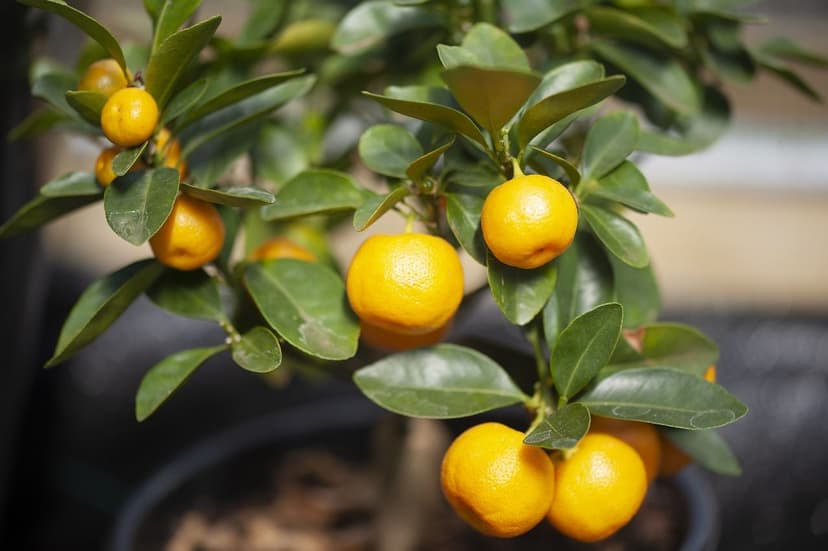
Nitrogen fertilization in tomatoes is essential to ensure healthy growth and optimal production of this vegetable. Knowing the appropriate dosages and the right time for application can make a difference in the quality and quantity of the harvest. In this article, we will explore how to maximize the benefits of nitrogen fertilization, helping farmers improve their yield and sustainability.
Importance of Nitrogen Fertilization

Nitrogen is an essential nutrient for plant development, especially in crops like tomatoes. This element is key for protein synthesis, chlorophyll formation, and overall plant growth. Proper nitrogen fertilization not only promotes vigorous growth but also improves fruit quality, increasing their size and nutritional content.
Furthermore, in a context of sustainable agriculture, the use of organic fertilizers and biostimulants can enhance the effectiveness of nitrogen fertilization, reducing the need for chemical products and improving soil health. It is also important to consider nitrogen fertilization in vines and the application of biostimulants for tomato crops.
Benefits of proper nitrogen fertilization
- Stimulates vegetative growth.
- Improves chlorophyll content in leaves.
- Increases fruit size and quality.
- Contributes to plant resistance against diseases.
- Optimizes the use of other nutrients in the soil.
Impact on photosynthesis
Nitrogen plays a crucial role in photosynthesis, as it is a fundamental component of chlorophyll. An adequate nitrogen level in the plant can increase the photosynthetic rate, which translates into greater energy production and, consequently, faster and healthier growth. Studies have shown that a nitrogen deficiency can result in a 30-50% reduction in the photosynthetic rate, directly affecting final crop yield.
Interaction with other nutrients
Nitrogen does not act alone; its effectiveness is influenced by the availability of other nutrients in the soil, such as phosphorus and potassium. For example, in a study conducted in greenhouses, it was observed that the combination of nitrogen and phosphorus increased tomato yield by 25% compared to applying nitrogen alone. This highlights the importance of a complete soil nutrient analysis before fertilization. Furthermore, the relationship between nitrogen and potassium is critical, as potassium aids in water regulation and disease resistance, which can be beneficial for producing quality fruit.
Impact on fruit quality
Nitrogen fertilization not only affects production quantity but also fruit quality. An adequate nitrogen level is associated with higher sugar content and better firmness in tomatoes. A study conducted under controlled conditions showed that a 50% increase in the nitrogen dose resulted in a 20% increase in soluble solids content, which translates into better flavor and consumer acceptance. Additionally, fruit quality is also affected by the balance between nitrogen and other nutrients; an excess of nitrogen can lead to excessive plant growth at the expense of fruit production.
Recommended Doses
The nitrogen fertilization dose varies depending on several factors, including soil type, tomato variety, and climatic conditions. However, as a general reference, the following recommendations can be considered:
- For crops in fertile soil: between 100 and 150 kg of nitrogen per hectare during the growing season.
- In less fertile soils, the dose can be increased to 150-200 kg per hectare.
- It is essential to conduct a prior soil analysis to adjust doses according to the specific needs of the crop.
Additionally, it is recommended to split the nitrogen application into several doses throughout the crop cycle, rather than applying it all at once. This allows the plant to absorb the nutrient better and reduces the risk of leaching.
Dose splitting and its impact on absorption
The practice of splitting nitrogen doses into multiple applications has proven effective in several studies. Research has shown that applying nitrogen in three stages (pre-sowing, during vegetative growth, and at flowering) can increase absorption efficiency by 20-30% compared to a single application. This not only improves nutrient availability but also reduces the risk of leaching contamination, thereby contributing to more sustainable agriculture. Split applications have been shown to allow plants to use nitrogen more effectively, as they adapt to the growth needs at each crop stage.
Example of field dose application
A practical case in the El Ejido region of Spain demonstrates how a farmer applied 180 kg of nitrogen per hectare, splitting the dose into three parts: 60 kg before sowing, 60 kg at 4 weeks after sowing, and 60 kg during flowering. As a result, the farmer observed a 35% increase in fruit production, significantly improving the crop's economic yield. This approach has been supported by other farmers in the region, who have reported similar results after adopting more precise fertilization strategies tailored to the phenological growth of tomatoes.
Recommendations for dose adjustment
It is advisable to adjust nitrogen doses based on foliar analyses conducted during the crop cycle. For example, if nitrogen levels below 2.5% are detected in young leaves, this indicates that an additional application should be made. Studies suggest that precise adjustments in fertilization can increase yield by up to 15% in tomato crops. Additionally, it is
Ecoganic products for this topic
PK-FLOW 20
Phosphorus pentoxide (P₂O₅)
14,44 % p/p — 20,1 % p/v (measured)
Chloride: 2,74 % (measured)
View technical sheet →K-FLOW 20
Potassium oxide (K₂O)
23,21 % p/p (measured)
Chloride: 3,23 % (measured)
View technical sheet →NITROTECH 2.5
Total nitrogen (N)
≥ 2,5 %
Each datasheet publishes its guaranteed composition and, where available, the value measured at an accredited laboratory.
Related resources