

Learn about nitrogen fertilization in citrus: dosage and timing of application to optimize your production. Contact us and improve your crops!
Introduction
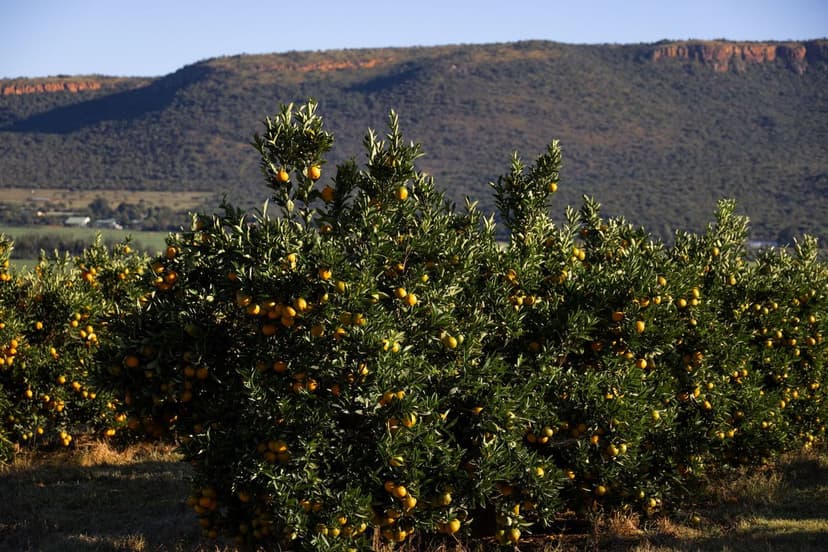
Nitrogen fertilization in citrus is crucial to ensure optimal crop development and maximize fruit production. Nitrogen is an essential element that plays a fundamental role in photosynthesis, growth, and harvest quality. This article will address the appropriate dosages and optimal timing of nitrogen application in citrus, as well as the importance of using sustainable and effective solutions, such as the organic fertilizers from Ecoganic.
Importance of Nitrogen Fertilization
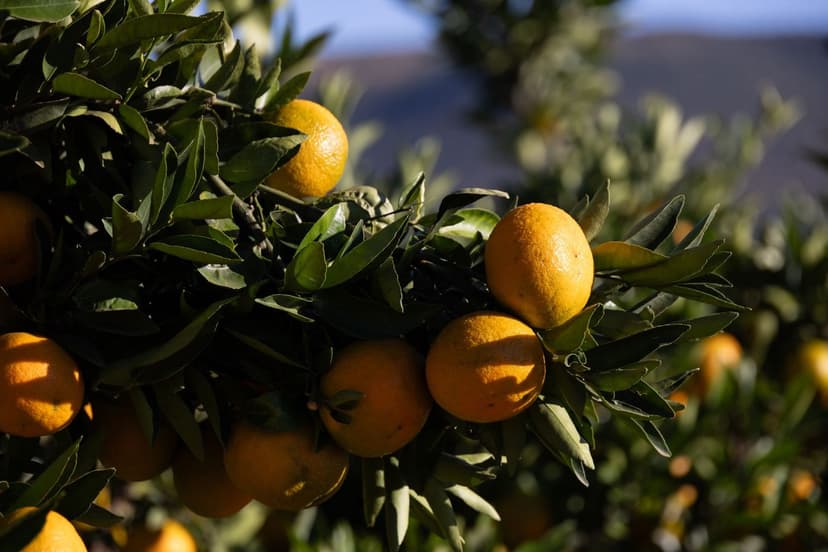
Proper nitrogen fertilization in citrus not only improves vegetative growth and fruit production but also increases plant resistance to diseases and environmental stress. Agronomic studies have shown that correct nitrogen application can enhance fruit quality and overall crop yield. Additionally, the use of biostimulants and organic fertilizers can contribute to more balanced and sustainable nutrition. For more information on nitrogen fertilization in avocado, check out our related article.
Benefits of Nitrogen in Citrus
- Vegetative Growth: Nitrogen promotes robust foliar development, essential for photosynthesis. An increase in leaf surface area can result in a 20-30% boost in sunlight capture, translating into greater energy production.
- Fruit Quality: Proper fertilization directly impacts the size, flavor, and color of citrus fruits. Fruits with optimal nitrogen levels can experience a 10-15% increase in sugar content.
- Stress Resistance: Well-nourished plants are more resistant to droughts and pests. Research has shown that an adequate nitrogen supply can reduce the incidence of fungal diseases by 25%.
Biochemical Mechanisms of Nitrogen
Nitrogen is incorporated into plants mainly in the form of ammonium (NH4+) and nitrate (NO3-). These compounds are absorbed by the roots and transported through the xylem to the leaves, where they are used to synthesize amino acids, proteins, and nucleic acids. The synthesis of chlorophyll, which is crucial for photosynthesis, also depends on nitrogen. A study from the Journal of Agricultural Science indicates that adequate nitrogen fertilization can increase chlorophyll concentration by 15-20%, thereby improving the photosynthetic efficiency of plants. Additionally, nitrogen plays a vital role in the production of phytohormones such as auxins, which regulate cell growth, thus promoting more vigorous tree development.
Interaction with Other Nutrients
Nitrogen fertilization does not act in isolation; its effectiveness can be influenced by the availability of other nutrients. For example, an excess of nitrogen can inhibit the absorption of potassium and calcium, which can lead to deficiencies in these essential nutrients. Studies have shown that the relationship between nitrogen and potassium is critical, and it has been observed that a proper balance between the two can increase yield by 15-20%. Therefore, it is essential to conduct soil analyses that evaluate not only nitrogen levels but also those of other nutrients, in order to establish a more effective fertilization plan.
Recommended Nitrogen Doses
The nitrogen dose required for citrus can vary depending on several factors, including tree age, soil type, and regional climate. In general, an initial application of between 100 to 200 kg/ha of nitrogen per year is recommended, split into several applications throughout the crop cycle. Research shows that optimal doses can be adjusted based on expected yield and soil analysis, allowing for a more precise approach to nutrient management.
Factors Affecting Nitrogen Dose
The nitrogen dose is not a fixed value and can be adjusted according to:
- Tree Age: Young trees require less nitrogen compared to mature trees that are in full production. For example, a 3-year-old citrus tree may need between 50-80 kg/ha, while a 10-year-old tree could require up to 200 kg/ha.
- Soil Type: Soils with high organic matter can release additional nitrogen, reducing the need for external applications. A soil analysis can reveal organic nitrogen availability, allowing for adjustments in fertilization rates.
- Climatic Conditions: In years of high rainfall, nitrogen leaching can be a problem, which may require dose adjustments. A study conducted in southern Spain showed that heavy spring rains can cause the loss of up to 30% of applied nitrogen, highlighting the importance of continuous climate monitoring.
Split Application of the Dose
To optimize nitrogen uptake, it is advisable to divide the total dose into several applications throughout the year. This may include:
- Spring: At the start of budding, apply 30-40% of the total dose. This application should coincide with the onset of vegetative activity to ensure nitrogen is available when trees need it most.
- Summer: Apply another 30-40% after harvest to promote vegetative development. It is at this stage that the plant begins to prepare growth for the next cycle.
- Autumn: The final application can be made before leaf fall, using the remaining 20-30%. This last contribution helps store nutrients in the roots for winter.
Practical Examples of Field Application
A case study in a citrus plantation in the Murcia region of Spain showed that applying 150 kg/ha of nitrogen in three fractions (spring, summer, and autumn) resulted in a 25% increase in fruit yield compared to a single spring application. This split approach not only improved
Ecoganic products for this topic
PHOSMAX 20
Phosphorus pentoxide (P₂O₅)
18,9 % p/p (measured)
Chloride: < 0,05 % (measured)
View technical sheet →NITROTECH 2.5
Total nitrogen (N)
≥ 2,5 %
NITROTECH 10
Total nitrogen (N)
9,96 % (measured)
Chloride: 2,32 % (measured)
View technical sheet →Each datasheet publishes its guaranteed composition and, where available, the value measured at an accredited laboratory.
Related resources