

Discover everything about nitrogen fertilization in avocado: appropriate doses, application timing, and tips to optimize your harvest. Contact us!
Introduction
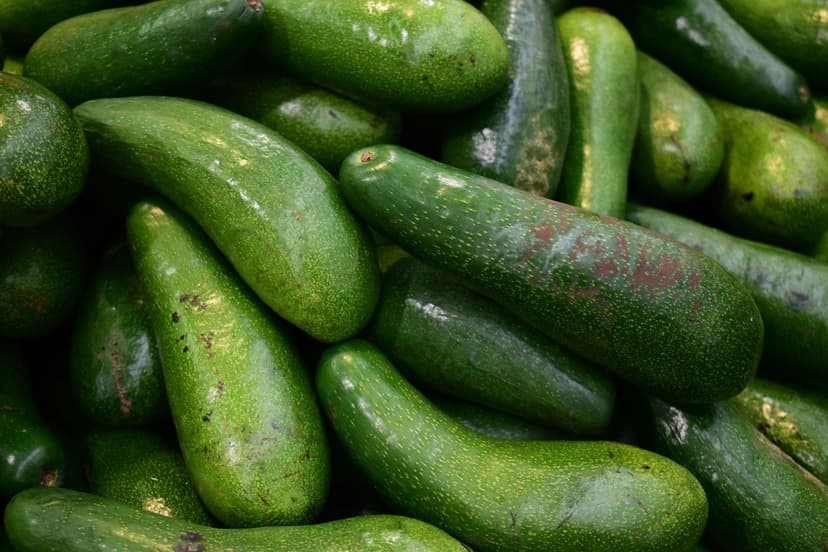
Nitrogen fertilization in avocado is essential to ensure optimal growth and production of this crop. In this article, we will explore the appropriate doses and the most effective application timings to maximize the potential of avocado, which is crucial for farmers seeking to improve their profitability and sustainability.
Importance of nitrogen fertilization
Nitrogen is an essential nutrient for avocado, as it plays a key role in protein formation and vegetative growth. Proper plant nutrition not only promotes vigorous growth but also improves fruit quality, increasing its market value.
Benefits of nitrogen in avocado
- Improves vegetative growth: Increases leaf and branch production, which is crucial for photosynthesis and energy production in the plant.
- Increases fruit production: Ensures a higher number of avocados per tree; studies have shown that proper fertilization can increase production by 20-30% compared to unfertilized crops.
- Fruit quality: Improves the size and nutrient content of avocados, resulting in better flavor and higher content of healthy fats, such as oleic acid.
Biochemical mechanisms of nitrogen in avocado
Nitrogen is an essential component of amino acids, which are the building blocks of proteins. In avocado, nitrogen is incorporated into the plant cycle through nitrification, where ammoniacal nitrogen is converted into nitrified forms that roots can absorb. This process is facilitated by soil bacteria and is more efficient in well-aerated soils with good organic matter content. The presence of nitrogen also influences chlorophyll synthesis, which in turn improves photosynthesis and energy production in the plant.
Interaction with other nutrients
Nitrogen does not act in isolation in avocado nutrition. Its interaction with other nutrients, such as phosphorus and potassium, is crucial for proper tree development. For example, a balance between nitrogen and phosphorus is essential for healthy root formation. Phosphorus deficiency can limit the effectiveness of nitrogen, resulting in poor growth. Studies have shown that the combined application of nitrogen and phosphorus can increase fruit production by 15-20% compared to applying nitrogen alone.
Recommended doses
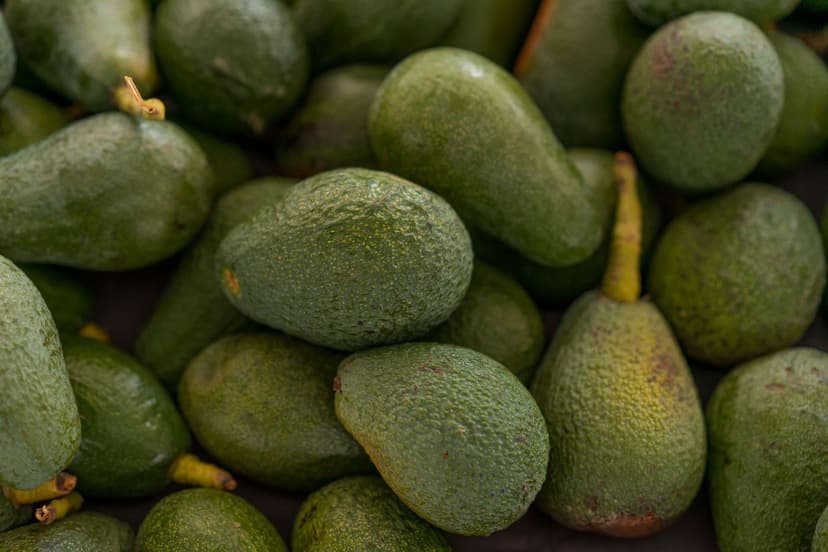
The nitrogen fertilization dose should be adjusted according to soil type, plant age, and growth stage. Generally, an application of between 150 to 300 kg of nitrogen per hectare per year is recommended, split into several applications to maximize absorption and minimize loss through leaching. According to studies conducted on various avocado crops, it has been observed that the use of organic fertilizers and advanced agricultural solutions can significantly improve nitrogen use efficiency. Additionally, it is important to consider nitrogen fertilization in olive trees for integrated crop management, as well as nitrogen fertilization in citrus.
Splitting the dose
For effective application, it is suggested to divide the total dose into three parts:
- First application: At the beginning of spring, to stimulate vegetative growth. This is a critical period, as the avocado begins its growth cycle and nitrogen demand is high.
- Second application: During flowering, to promote fruit set. It is recommended to carry out this application just before flowering, as nitrogen is vital for flower formation and subsequent fruit development.
- Third application: Mid-summer, to support fruit development. At this stage, the avocado needs nitrogen for fruit growth and enlargement, which can result in an increase in the size and quality of the harvested avocado.
Practical example of dosage application
In agricultural practices in the Michoacán region of Mexico, a fertilization program has been implemented that applies 200 kg/ha of nitrogen, divided into three applications: 80 kg/ha in March, 60 kg/ha in May, and 60 kg/ha in July. This approach has resulted in a 25% increase in avocado production compared to plots that did not receive nitrogen fertilization, demonstrating the effectiveness of splitting applications in optimizing production.
Factors affecting nitrogen absorption
It is important to consider several factors that can influence nitrogen absorption by avocado plants:
- Soil type: Sandy soils tend to have higher nitrogen leaching, so it is crucial to adjust the dosage and application method.
- Soil pH: An adequate pH (between 6 and 7) favors the availability of nitrogen in forms that plants can easily absorb. The use of amendments such as gypsum can help correct pH problems in acidic soils.
- Climatic conditions: During periods of heavy rainfall, nitrogen can be leached from the soil, reducing its availability to plants. Implementing water conservation techniques can mitigate this problem.
- Microorganism competition: The presence of microorganisms in the soil can affect nitrogen availability. For example, mycorrhizal fungi can help the plant absorb more nitrogen, while other microorganisms may compete for it.
- Soil management practices: Tillage and incorporation of organic matter can improve the soil's nutrient retention capacity, thereby optimizing nitrogen availability.
Timing of application
The timing of nitrogen fertilization application is equally critical. Applications should be made at strategic times to maximize nitrogen availability and its absor
Ecoganic products for this topic
BOOST UNIVERSAL SALINITY
Total calcium (CaO)
0,150 % (p/p) / 0,151 % (p/v)
Chloride: < 0,05 % (measured)
View technical sheet →PHOSMAX 20
Phosphorus pentoxide (P₂O₅)
18,9 % p/p (measured)
Chloride: < 0,05 % (measured)
View technical sheet →CALCIUM 40
Calcium oxide (CaO)
34,0 % p/p (measured)
Chloride: < 0,05 % (measured)
View technical sheet →Each datasheet publishes its guaranteed composition and, where available, the value measured at an accredited laboratory.
Related resources