

Discover the myths and realities of abiotic stress in greenhouse vegetables. Optimize your crops with our biostimulants. Contact us today!
Introduction
Abiotic stress is a phenomenon that affects vegetables grown in greenhouses, generating significant impacts on their productivity and quality. Understanding the myths and realities associated with this phenomenon is crucial for optimizing agronomic management and crop nutrition. In this article, we will address these aspects from a scientific perspective, highlighting the importance of biostimulants and effective management practices.
Common Myths about Abiotic Stress
Myth 1: Abiotic stress only occurs under extreme conditions
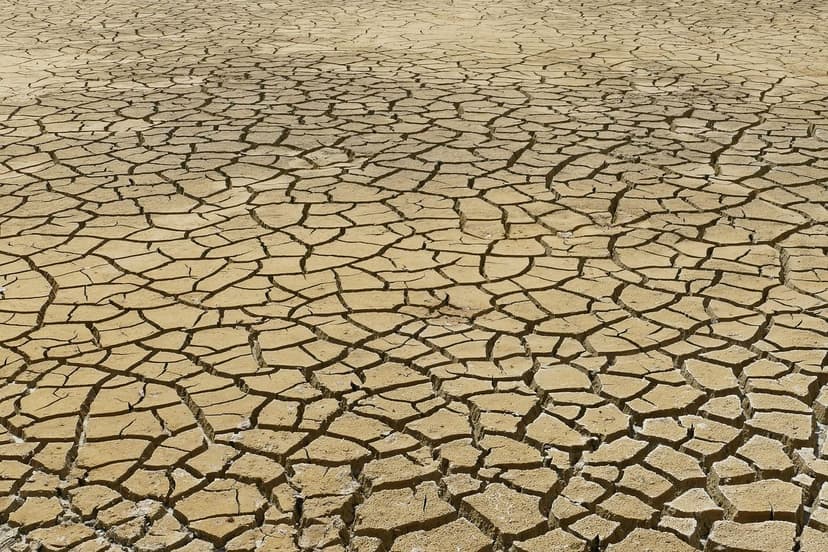
A common myth is that abiotic stress only affects plants under extreme climatic conditions, such as droughts or frosts. However, stress can manifest under conditions that do not appear critical, such as variations in temperature or humidity within the greenhouse. Daily fluctuations can lead to cumulative stress that affects the development and production of vegetables. A study from the University of California found that even temperature changes of 5 °C during the day can induce stress in tomato plants, affecting photosynthesis and reducing yield by up to 30% under greenhouse conditions.
Impact of Humidity Fluctuations
In addition to temperature, relative humidity is a crucial factor. A study conducted in lettuce greenhouses showed that relative humidity variations from 30% to 70% can cause water stress, affecting cell turgor and, consequently, growth. Plants can experience a reduction in photosynthesis rate and biomass production of up to 25% under high humidity conditions, highlighting the importance of proper greenhouse environment control.
Myth 2: Biostimulants are only for crops in poor condition
Another myth is that biostimulants should only be used when crops show symptoms of stress. In reality, the application of biostimulants can be a preventive strategy that helps improve plant tolerance to abiotic stress, optimizing their performance from the start of the crop cycle. For example, a trial conducted in pepper greenhouses showed that applying a humic acid-based biostimulant from sowing increased resistance to drought conditions, resulting in a 25% increase in yield compared to untreated controls.
Mechanisms of Action of Biostimulants
Biostimulants act through various mechanisms, such as activating stress signaling pathways and regulating gene expression related to stress tolerance. A recent study demonstrated that amino acid-based biostimulants can increase the production of protective compounds like antioxidants, which protect plants from cellular damage. Additionally, these substances have been observed to enhance the activity of enzymes involved in chlorophyll synthesis, resulting in more efficient photosynthesis and improved growth.
Myth 3: All types of abiotic stress trigger the same response in plants
The plant response to abiotic stress is complex and depends on the type of stress. For example, water stress can trigger different physiological responses compared to thermal stress. Understanding these differences is essential for implementing appropriate and specific management strategies for each type of stress. A comparative study in lettuce greenhouses showed that exposure to high-temperature conditions reduced the activity of the rubisco enzyme, essential for photosynthesis, while water stress primarily affected stomatal opening, decreasing transpiration rate and, consequently, nutrient uptake.
Differences in Physiological Responses
Research has shown that thermal stress can induce the production of heat shock proteins, which help stabilize cellular proteins, while water stress often leads to the accumulation of osmoprotectants such as proline. These osmoprotectants allow plants to maintain cell turgor and minimize cellular damage under drought conditions. Therefore, it is essential to adopt a differentiated approach in crop management, applying specific biostimulants that act according to the type of stress present.
Realities about Abiotic Stress
Reality 1: The long-term impact of abiotic stress
Abiotic stress not only affects the immediate growth of vegetables but can also have long-term effects, such as lower fruit quality and reduced yield in future harvests. It is important to continuously evaluate greenhouse conditions to mitigate these effects. Studies have shown that cucumber plants exposed to heat stress during their early development phase exhibited a reduction in fruit quality and an increase in disease incidence, resulting in 15% less yield in subsequent harvests.
Consequences on Fruit Quality
Fruit quality is affected not only by abiotic stress but also by the accumulation of secondary metabolites in response to such stress. For example, heat stress can increase the production of phenolic compounds in tomatoes, which can affect both palatability and fruit coloration. One study concluded that tomato fruits grown under heat stress conditions had 20% less sugar content, directly impacting consumer acceptance and the commercial value of the product.
Reality 2: The importance of balanced nutrition
Proper nutrition is essential to increase plant resilience to abiotic stress. Biostimulants can improve nutrient uptake and promote healthier growth, enabling plants to better cope with environmental adversities. For instance, a study in tomato greenhouses showed that the application of a biostimulant based on seaweed extracts improved nitrogen uptake by 20% and promoted the synthesis of antioxidant compounds, thereby increasing resistance to oxidative stress induced by drought conditions.
Relationship Between Nutrients and Stress
A lack of specific nutrients, such as calcium and magnesium, can increase plant susceptibility to abiotic stress. Calcium deficiency, for example, can result in blossom-end rot in tomatoes, which not only reduces yield but also fruit quality. The application of biostimulants that enhance the uptake of these nutrients can be key to maintaining crop health and its ability to withstand adverse conditions.
Reality 3: Integrated management strategies
Abiotic stress management must be holistic and include practices such as selecting resistant varieties, managing the microclimate, and applying biostimulants. These integrated strategies can improve the efficiency and sustainability of greenhouse production. For example, combining drought-tolerant vegetable varieties with the application of specific biostimulants has been shown to increase production by 30% under water stress conditions. Additionally, using shade nets and proper ventilation systems can help maintain optimal temperature and humidity conditions inside the greenhouse.
Implementation of Integrated Management
The implementation of integrated abiotic stress management can include crop rotation and the use of cover crops that improve soil health and reduce erosion. A study on vegetable crops showed that rotation with legumes increased nitrogen availability in the soil, improving vegetable growth and stress resistance. Furthermore, using biostimulants in combination with appropriate irrigation techniques can optimize water use and reduce the incidence of water stress.
Impact of Biostimulants

Biostimulants play a crucial role in improving vegetable tolerance to abiotic stress. These natural substances can activate defense mechanisms in plants, promoting adaptation to adverse conditions. Agronomic studies have shown that using biostimulants can result in improved production quality and quantity by acting on different physiological and metabolic processes. For example, a trial in strawberry greenhouses showed that applying an amino acid-based biostimulant increased fruit production by 35% compared to controls, while also improving fruit quality by increasing its sugar and antioxidant content.
Effects on Plant Physiology
Biostimulants can influence plant physiology by increasing photosynthetic activity and water use efficiency. A recent study indicated that applying a plant extract-based biostimulant improved the photosynthesis rate by 40% under water stress conditions, suggesting that these products not only help plants withstand stress but also enhance their ability to grow under unfavorable conditions. This translates into a significant increase in biomass and, consequently, higher yields.
Interaction with the Soil Microbiome
Biostimulants can also interact with the soil microbiome, promoting a healthier environment for plant roots. One study showed that applying biostimulants based on beneficial microorganisms increased soil microbial diversity by 50%, which contributed to better nutrient uptake and greater disease resistance. The synergy between biostimulants and soil microorganisms can be an effective strategy for improving overall crop health and resistance to abiotic stress.
Recommended Practices
To maximize the benefits of biostimulants and mitigate abiotic stress, the following practices are recommended:
- Continuous microclimate assessment: Monitor temperature and humidity inside the greenhouse to prevent stress situations. Installing temperature and humidity sensors can help farmers react quickly to extreme changes, maintaining an optimal environment for vegetable growth.
- Biostimulant application: Use biostimulants preventively and during identified stress periods. Foliar application of biostimulants at critical times, such as during flowering, can result in a significant increase in fruit production.
- Crop selection: Choose vegetable varieties that exhibit greater resistance to abiotic stress. Research in genetic improvement has made it possible to identify and develop vegetable varieties that are more tolerant to adverse conditions, which can be an effective strategy for sustainable production.
- Balanced nutrition: Ensure that plants receive adequate nutrition to support their growth and development. Applying organic fertilizers in combination with biostimulants can improve soil health and nutrient availability, resulting in stronger, more resilient plants.
- Soil health monitoring: Conduct periodic soil analyses to assess its composition and microbiological health. Healthy soil is the foundation for robust crops that can better withstand abiotic stress.
- Implementation of efficient irrigation techniques: Use drip irrigation systems or controlled irrigation techniques to optimize water use and prevent water stress in plants. Implementing drip irrigation can reduce water consumption by up to 50% compared to traditional irrigation.
- Continuous training: It is essential for farmers to stay updated on the latest research and sustainable management practices, including the use of biostimulants and stress management techniques. Training can include workshops, online courses, and collaborations with research institutions.
Practical Examples of Biostimulant Application
The application of biostimulants in greenhouses has proven effective in various situations. For example, in a study conducted in tomato greenhouses in Spain, a biostimulant based on seaweed extracts was applied at planting time, and a 30% increase in fruit yield was observed compared to the control group. This increase was attributed to improved nutrient absorption capacity and enhanced photosynthetic activity in the plants.
Another case involves a pepper crop in a greenhouse in Mexico, where a biostimulant based on amino acids was used during critical development stages. The results showed a 20% reduction in disease incidence and a 25% increase in total fruit production. This improvement was linked to the strengthening of the plants' immune system and enhanced assimilation of essential nutrients.
Monitoring and Evaluation of Results
It is crucial for farmers to implement a monitoring and evaluation system to measure the effectiveness of the applied biostimulants. This can include collecting data on plant growth, fruit production, and product quality. For example, control plots and biostimulant-treated plots can be established to compare results throughout the crop cycle. This approach allows for real-time adjustments to management strategies and maximizes the benefits of biostimulants.
Impact of Biostimulants on Soil Health
Biostimulants not only benefit plants but can also improve soil health. The application of biostimulants based on organic matter can increase soil biological activity, facilitating the decomposition of organic matter and the release of nutrients. A study showed that the use of biostimulants in degraded soils increased the activity of beneficial microorganisms by 70%, which in turn improved soil structure and water retention capacity.
Benefits of Biostimulant Application in Vegetables
The inclusion of biostimulants in crop management not only results in increased yield but can also improve the quality of the final product. In a trial conducted in eggplant greenhouses, it was observed that the application of a specific biostimulant increased the content of phenolic compounds, known for their antioxidant properties, by 30%. This not only enhances the nutritional quality of the fruit but can also extend its shelf life and reduce the need for chemical preservatives.
Considerations for Selecting Biostimulants
When selecting a biostimulant, it is essential to consider factors such as the type of crop, the expected type of abiotic stress, and soil characteristics. Research has shown that some biostimulants are more effective under specific conditions. For example, a study conducted in lettuce greenhouses found that biostimulants based on seaweed extracts were more effective in improving resistance to water stress than other types of biostimulants. Therefore, conducting field trials and consulting with specialists can be key to maximizing the benefits of these products.
Conclusion
Abiotic stress in greenhouse vegetables is a significant challenge that can be mitigated by understanding its myths and realities. The implementation of biostimulants, along with appropriate agronomic practices, can improve crop resilience and optimize production. By adopting an integrated approach to stress management, farmers can ensure more sustainable and profitable production in their greenhouses.
Related Articles
Need Professional Help?
At Ecoganic in Spain, Europe, we offer certified Biostimulants and Organic Fertilizers. Call us: +34 623 753 719.
Myths and Realities of Abiotic Stress in Greenhouse Vegetables
Abiotic stress, which includes factors such as temperature, humidity, and salinity, can significantly affect the yield of greenhouse vegetables. Studies have shown that plants can experience growth reductions of up to 30% when exposed to unfavorable temperature conditions.
A common myth is that all vegetables are equally susceptible to abiotic stress. However, research indicates that species such as tomato and pepper are more sensitive to drought, with yield losses of up to 50% under prolonged water stress conditions.
To mitigate these effects, it is recommended to implement drip irrigation systems and continuously monitor environmental conditions. Additionally, the use of biostimulants can improve plant resistance to stress, increasing their adaptive capacity and reducing associated economic losses.
Related articles
- Ecoganic
- Microbiology and Disease Resistance in Crops