

Discover sustainable agriculture strategies in the Americas that incorporate biostimulants and innovative techniques to maximize your crop production sustainably.
Introduction to Sustainable Agriculture

Sustainable agriculture is an approach that seeks to balance agricultural production with environmental conservation. In the Americas, this model is crucial given population growth and pressure on natural resources. The implementation of biostimulants and innovative techniques allows farmers to improve crop productivity while minimizing environmental impact.
Challenges of Conventional Agriculture
Conventional agriculture, characterized by intensive use of chemical inputs and non-sustainable practices, has led to soil degradation, biodiversity loss, and water pollution. According to the FAO, an estimated 33% of the world's soils are degraded, representing a significant challenge for future food security. This context highlights the urgent need to transition toward more sustainable and regenerative agricultural practices.
The Ecological Footprint of Agriculture
Conventional agriculture not only affects soil quality but also significantly contributes to greenhouse gas emissions. A study by the Food and Agriculture Organization of the United Nations (FAO) reveals that agriculture accounts for approximately 10-12% of global greenhouse gas emissions. This includes the release of CO2, methane, and nitrous oxide, mainly due to excessive fertilization and the use of fossil fuels in agricultural machinery. Therefore, adopting sustainable practices is essential to mitigate climate change.
Importance of Biostimulants
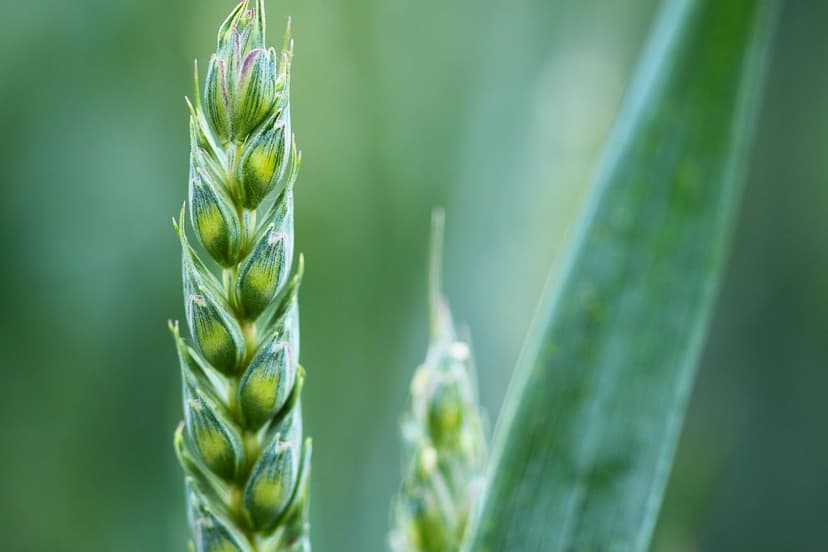
Biostimulants are products that, when applied to crops, improve plant growth and resistance to adverse conditions. According to recent studies, the use of biostimulants can increase nutrient uptake efficiency by 15-20% and improve yield by 12-25%. This is especially relevant in a context where farmers face challenges such as climate change and water scarcity. To learn more, check out the best practices for applying biostimulants.
Key Benefits of Biostimulants
- Improved Nutritional Efficiency: They increase the availability of nutrients in the soil and optimize their uptake by roots. For example, the use of seaweed extracts has been shown to improve nitrogen assimilation in corn crops by 30%.
- Stress Resilience: They help plants withstand adverse conditions, such as droughts or pests. A study on tomato crops revealed that the use of microorganism-based biostimulants increased drought tolerance by 40%.
- Crop Quality: They contribute to improved fruit quality and flavor. Research has shown that biostimulants can increase sugar content in fruits, enhancing their taste and market value.
- Reduction of Chemical Inputs: By improving soil health and plant resistance, the use of biostimulants can reduce dependence on chemical fertilizers and pesticides, thereby lowering environmental impact.
- Stimulation of Soil Microbiome: Biostimulants can promote the growth of beneficial microorganisms in the soil, contributing to greater biodiversity and improved soil structure.
Types of Biostimulants
Biostimulants can be classified into several categories, including:
1. Beneficial Microorganisms: These include bacteria and fungi that improve soil health and promote plant growth. Examples are Rhizobium and Mycorrhizae, which facilitate nitrogen fixation and nutrient uptake, respectively. A study showed that inoculation with Mycorrhizae can increase yield in legume crops by 25%.
2. Plant Extracts: These biostimulants, derived from algae, fungi, or plants, contain bioactive compounds that stimulate plant growth and defense. For instance, seaweed extracts are rich in plant hormones that promote root development and can increase biomass production by 20%.
3. Humic and Fulvic Acids: They improve soil structure and increase water retention, which is essential in arid regions. A study in arid soils showed that the application of humic acids can increase soil water retention by 30-40%.
Sustainable Agriculture Technologies
The adoption of digital and precision technologies is fundamental for sustainable agriculture in the Americas. Tools such as geographic information systems (GIS) and drones enable more efficient resource management.
Examples of Technologies and Their Impact
A report by ECLAC and FAO (2023) indicates that the use of precision technologies can increase agricultural productivity by 15-20% and reduce environmental impact by 10-30%. This is because farmers can apply inputs more efficiently and only where needed. Additionally, the use of monitoring technology allows for identifying specific areas that require attention, avoiding over-application of fertilizers and pesticides.
Precision Agriculture Practices
- Satellite Monitoring: It enables detecting nutritional deficiencies and adjusting fertilizer applications according to the specific needs of each crop. In the case of cotton, a 15% increase in yield has been reported thanks to precise nutrient application.
- Use of Drones: It facilitates the application of inputs and crop monitoring with high precision. A study on corn crops in Mexico showed that using drones for pesticide application reduced chemical use by 25%.
- Soil Sensors: Moisture and nutrient sensors allow farmers to know
Ecoganic products for this topic
MICRO PLUS 1-0-0
Total nitrogen (N)
1,013 % (measured)
Chloride: 0,183 % (measured)
View technical sheet →NITROTECH 10
Total nitrogen (N)
9,96 % (measured)
Chloride: 2,32 % (measured)
View technical sheet →BALANCE 7-7-7
Total nitrogen (N)
7 %
Chloride: 0,774 % (measured)
View technical sheet →Each datasheet publishes its guaranteed composition and, where available, the value measured at an accredited laboratory.
Related resources