

Introduction
In tomato cultivation, biostimulants have emerged as an effective solution to improve both productivity and fruit quality. These compounds, which include microorganisms and natural extracts, act on various biological processes of the plant, optimizing nutrient uptake and increasing stress tolerance. In this article, we will explore in depth the effect of biostimulants on tomato cultivation, based on recent research and practical experience in the sector. Additionally, we will address biostimulants for tomato, their application, dosage, and results, as well as nitrogen fertilization in tomato.
Definition and Function of Biostimulants
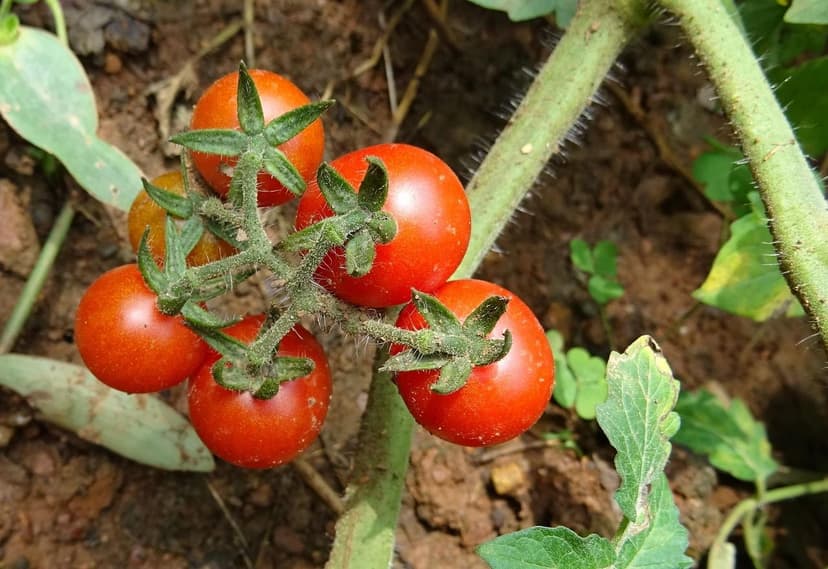
Biostimulants are substances and/or microorganisms that, when applied to crops or the rhizosphere, stimulate natural processes to improve nutrient uptake, nutrient efficiency, abiotic stress tolerance, and crop quality. They are used as sustainable alternatives to synthetic fertilizers, suitable for both organic and conventional agriculture.
Active Components and Their Functions
- Salicylic Acid: Acts as a plant hormone, increasing plant resistance to extreme temperatures and diseases. Its application has been shown to increase the production of phytoalexins, compounds that help plants defend against pathogens. According to studies, the application of salicylic acid can increase resistance to fungal diseases by 40%.
- Formic Acid: Functions as a potent antioxidant that mitigates plant stress. Studies have shown that its application can reduce oxidative damage in plant cells, promoting more robust growth. One experiment revealed that the use of formic acid can reduce water stress by 35% under drought conditions.
- Indolebutyric Acid: An auxin that promotes root growth, which in turn improves water and nutrient uptake. Its use has been shown to increase root development by up to 30% under controlled conditions. This is crucial for tomato cultivation, as a robust root system is essential for efficient nutrient absorption.
- Kinetin (Cytokinin): Increases pollen viability and the number of set fruits. Research indicates that cytokinins can enhance photosynthesis and delay leaf senescence, leading to higher yields. In trials, a 20% increase in fruit set has been documented following cytokinin application.
- Ascophyllum Nodosum Extracts: Improves photosynthetic performance by increasing chlorophyll activity. Its application has shown a 15% increase in photosynthetic efficiency in tomato crops. Additionally, this extract has been proven to enhance tolerance to saline stress.
- Humic and Fulvic Acids: Stimulate enzymes that promote nutrient assimilation, facilitating the availability of essential nutrients. Their use has been shown to increase soil water retention capacity, improving overall plant health. In poor soil conditions, their application can result in a 25% increase in nitrogen and phosphorus availability.
Biochemical Mechanisms of Action
Biostimulants act through various biochemical mechanisms that optimize plant physiology. Research has shown that the combination of microbial biostimulants with non-microbial biostimulants produces synergistic effects that maximize individual benefits. For example, the use of plant protein hydrolysate together with microbial biopesticides has shown positive results in crop health and yield.
Specific Mechanisms of Action
Biostimulants can affect plant physiology in several ways, including:
- Stimulation of Enzymatic Activity: Biostimulants can increase the activity of key enzymes involved in photosynthesis and nitrogen metabolism, resulting in healthier growth. Studies have shown that the application of seaweed extracts can increase nitrate reductase enzyme activity by 50%.
- Modulation of Cell Signaling: The application of biostimulants can activate signaling pathways that promote stress resistance, improving the plants' ability to cope with adverse conditions. For instance, salicylic acid has been observed to activate the signaling pathway of defense genes, increasing resistance to pathogens.
- Improved Nutrient Uptake Efficiency: Biostimulants can facilitate the mobilization of nutrients in the soil and their absorption by roots, resulting in better growth and development. The use of humic acids has been proven to increase iron absorption by 40% in acidic soils.
Recent Scientific Studies

Recent research has evaluated the action of combined biostimulant formulations on tomatoes. A specific study used 12 different treatments on the Microtom variety. The results indicated that biostimulants not only improved yield in terms of fruit quantity but also positively impacted the organoleptic quality of the tomato.
Effects on Yield and Quality
Treatments with salicylic acid and kaolinite showed a significant increase in fruit number and nutritional quality. In a field trial, a 25% increase in yield was reported for tomatoes treated with biostimulants compared to the control group. Additionally, fruit quality, measured in terms of soluble solids content and acidity, also improved notably. However, postharvest variables did not show significant improvements with the isolated use of biostimulants, suggesting that combining different biostimulants may be key to maximizing yield and quality. In controlled studies, the combination of Ascophyllum Nodosum extracts and salicylic acid has been observed to increase soluble solids by 30%.
Comparative Studies
A comparative study in greenhouses evaluated the use of biostimulants versus traditional fertilizers. The results showed that crops treated with biostimulants achieved a 30% increase in fruit production, while crops treated solely with chemical fertilizers showed a 15% increase. This highlights the importance of biostimulants in improving yield under intensive cultivation conditions. In another study, biostimulants were found to improve tomato quality, increasing antioxidant content by 20% compared to standard treatments.
Application Dosage and Methods
Biostimulants are commonly applied via foliar spray. It is rec