

Compare biostimulants for olive trees and improve your harvest in 2026. Learn about their effectiveness and request professional advice.
Introduction to Biostimulants
In today's agricultural sector, the use of biostimulants has become a key strategy to improve crop productivity and sustainability. In particular, olive trees, which are an essential component of Mediterranean agriculture, can greatly benefit from these solutions. In this article, we will conduct a comparison of biostimulants that have proven effective in improving olive harvests, focusing on their characteristics, applications, and results.
Types of Biostimulants for Olive Trees
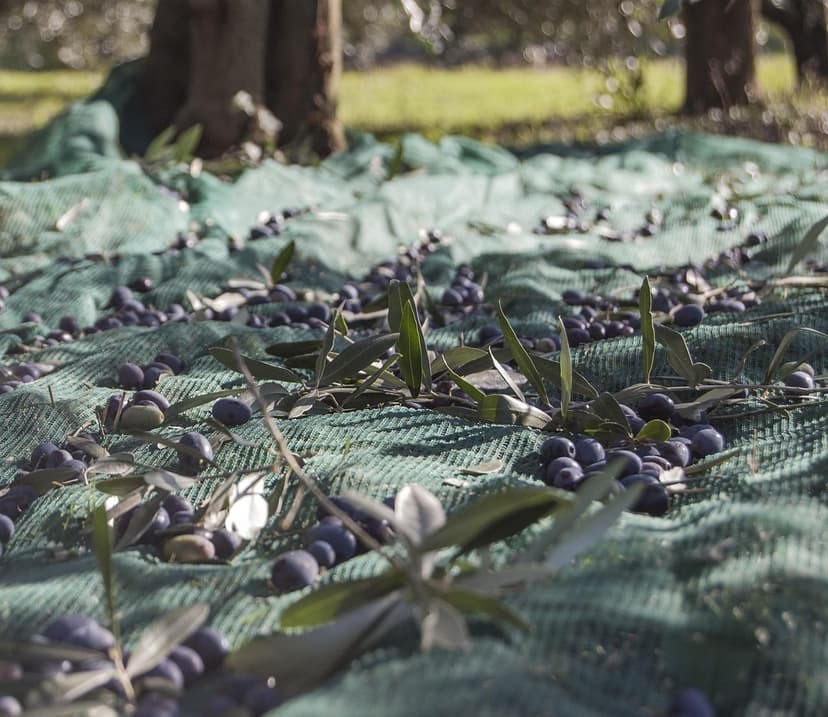
Biostimulants can be classified into several categories based on their origin and mechanism of action. Below are the main types used in olive cultivation:
1. Seaweed Extracts
Seaweed extracts are known for their ability to improve plant resistance to stress and stimulate growth. These products contain plant hormones and bioactive compounds that promote root development and nutrient uptake. Studies have shown that seaweeds, such as Ascophyllum nodosum, can increase the activity of antioxidant enzymes in plants, resulting in better tolerance to adverse conditions like drought or salinity. A study conducted by the University of Cádiz found that olive trees treated with seaweed extracts showed a 40% increase in the activity of the enzyme superoxide dismutase, which translates into a greater capacity to defend against oxidative stress.
1.1 Biochemical Mechanisms
Seaweed extracts act through various biochemical mechanisms. On one hand, they stimulate the synthesis of phytohormones such as auxins and cytokinins, which regulate cell growth and division. This not only promotes more robust root development but also improves shoot and flower formation. Additionally, the polysaccharides present in seaweed extracts can enhance water retention in the soil, which is vital in arid regions. It has also been shown that these extracts can induce the production of secondary metabolites that act as natural defenses, providing a faster response against pathogens.
1.2 Field Applications of Seaweed Extracts
In practical applications, seaweed extracts can be applied in liquid form via drip irrigation or foliar spraying. For example, in a trial conducted in an olive grove in the Almería region, seaweed extract was applied at the start of flowering and during fruit development, resulting in an 18% increase in olive size and a 25% increase in total production. This outcome was attributed to improved water regulation and increased photosynthetic activity.
2. Amino Acids
Amino acids are essential components in protein synthesis and can help plants recover from abiotic stress. Their application in olive trees can result in better fruit formation and higher harvest quality. Research has shown that foliar application of amino acids can increase chlorophyll concentration in leaves, thereby improving photosynthesis and, consequently, fruit production. A specific study found that the use of amino acids in olive trees increases the fruit set rate by 15% under water stress conditions. Furthermore, the application of specific amino acids such as proline has been shown to improve tolerance to saline stress, enabling more robust growth under unfavorable conditions.
2.1 Applications in Abiotic Stress
The application of amino acids can be especially useful in situations of abiotic stress, such as drought or high temperatures. In a trial conducted in 2025, it was observed that the application of amino acids in olive trees during a heatwave resulted in a 25% increase in olive production compared to untreated controls. This is because amino acids act as osmoprotectants, helping plants maintain cellular homeostasis and regulate stomatal opening, thereby reducing water loss. Likewise, it has been evidenced that the application of amino acids such as arginine can improve ethylene synthesis, which favors fruit set and ripening.
2.2 Examples of Amino Acid Application
In a project carried out in Seville, amino acids were applied to olive trees during the flowering phase and again during fruit filling. This resulted in a 20% increase in fruit weight and an improvement in olive quality, leading to olive oil with 10% more phenolic compounds. The application was performed at a concentration of 3 L/ha every 14 days, facilitating a better response in plant growth and development.
3. Beneficial Microorganisms
Biostimulants based on microorganisms, such as bacteria and fungi, improve soil health and promote nutrient assimilation. These products can increase the resilience of olive trees against diseases and pests. For example, the fungus Trichoderma harzianum has proven effective in the biological control of soil pathogens and can increase the availability of nutrients such as phosphorus, which is crucial for olive tree growth. A trial conducted in 2025 indicated that olive trees treated with microorganisms showed a 30% increase in olive production compared to untreated controls. Similarly, inoculation with Azospirillum brasilense resulted in a 20% increase in nitrogen fixation, contributing to better vegetative development and higher fruit production.
3.1 Synergy among Microorganisms
The combination of different microorganisms can result in synergistic effects. A study conducted in 2026 showed that the joint application of Trichoderma and Azospirillum not only improved nutrient availability but also increased the resistance of olive trees to foliar diseases by 30%. This synergy occurs because Trichoderma enhances nutrient uptake and Azospirillum increases nitrogen fixation, creating an optimal environment for root growth. Additionally, it has been observed that applying products containing mycorrhizae together with these bacteria can increase root colonization by 50%, which in turn improves water and nutrient absorption, especially in soils with low fertility.
3.2 Examples of Microorganism Application
On a farm in Malaga, a trial was conducted where mixtures of Trichoderma harzianum and Azospirillum brasilense were applied during an olive tree growth cycle. The application was done at two times: at the beginning of spring and in mid-summer. The results showed a 40% increase in olive production compared to the control. Additionally, an improvement in soil health was recorded, with a 35% increase in microbial activity, which contributed to better soil structure and greater moisture retention.
4. Bioactive Compounds
Bioactive compounds, such as phenols and flavonoids, have antioxidant properties that can improve olive oil quality and plant resistance. Their use has been associated with an increase in the production of beneficial compounds in fruits. A study conducted by the University of Córdoba found that olive trees treated with phenol-rich extracts showed a 25% increase in the phenolic content of the oil, which not only improves quality but also its stability against oxidation. Furthermore, flavonoids have been observed to induce the synthesis of defense compounds in plants, increasing their resistance to diseases such as olive tuberculosis, caused by Phytophthora.
4.1 Benefits for Oil Quality
The application of bioactive compounds not only improves production quantity but also positively impacts olive oil quality. A 2026 analysis showed that olive trees treated with biostimulants containing bioactive compounds exhibited an improvement in the oil's sensory profile, enhancing its aroma and flavor, resulting in a healthier and more valuable oil. This is critical, as high-quality olive oils can command higher prices due to their health benefits and greater stability. Additionally, treatment with phenolic compounds has been proven to reduce the formation of undesirable volatile compounds during storage, extending the oil's shelf life.
4.2 Examples of Bioactive Compound Application
In a trial conducted in an olive grove in Córdoba, extracts of bioactive compounds were applied throughout the growing season. The results showed that the phenolic content of the olive oil increased by 30%, in addition to improving its aromatic and sensory profile. This translated into a 15% increase in the market value of the oil, demonstrating that the quality of the final product can be significantly enhanced through the use of specific biostimulants.
Efficacy Comparison
In this section, we will analyze various studies and trials conducted with different biostimulants in olive crops. The selection of products is based on their market availability and scientific evidence regarding their effectiveness.
Study 1: Seaweed Extract vs. Amino Acids
A comparative trial conducted in 2026 in Andalusia showed that the use of seaweed extracts significantly improved crop yield compared to amino acid treatment. Olive trees treated with seaweed exhibited a 15% increase in production, while amino acids achieved a 10% improvement. Additionally, it was observed that olive trees treated with seaweed extract had greater resistance to foliar diseases, suggesting a positive effect on overall plant health. This study also highlighted that the application of seaweed in combination with amino acids resulted in a synergistic effect, achieving a 25% increase in production compared to individual treatments.
Study 2: Beneficial Microorganisms in Acidic Soils
In another study, the application of biostimulants containing microorganisms was evaluated in acidic soils, typical of some regions in Spain. The results indicated that products with microorganisms improved nutrient availability, resulting in 20% more olive production compared to conventional treatments. The microorganisms also contributed to the decomposition of organic matter, improving soil structure and facilitating root development. In particular, the application of Bacillus subtilis was observed to promote phosphorus solubilization, increasing its availability by 30% compared to untreated controls. This increase in phosphorus availability translates into better root development and increased fruit production, highlighting the importance of soil microbiology in sustainable agriculture.
Study 3: Bioactive Compounds and Oil Quality
A 2026 analysis demonstrated that olive trees treated with biostimulants containing bioactive compounds showed an improvement in olive oil quality, increasing its phenolic content and reducing oxidation. This resulted in a healthier and higher-value oil. Market studies showed that olive oils with high phenolic content can command higher prices due to their health benefits and greater stability. Furthermore, it was observed that the use of bioactive compound extracts not only increased oil quality but also improved the resistance of olive trees to pathogens, reducing disease incidence by 15% during the harvest season. This underscores the relevance of integrating bioactive compounds into olive grove management practices.
Practical Applications
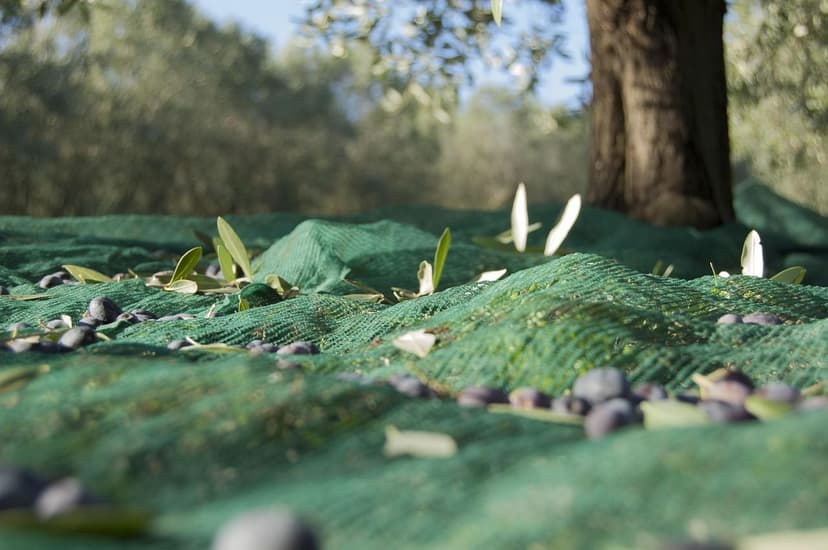
The implementation of biostimulants in olive cultivation requires proper planning. It is recommended to follow application guidelines to maximize benefits:
- Application Timing: Biostimulant application should be carried out at critical moments, such as at the start of flowering and during fruit development. For example, one study has shown that applying seaweed extracts just before flowering can increase the fruit set rate by 20%. Additionally, application during the fruit growth phase can enhance the size and quality of olives, achieving an 18% increase in fruit weight compared to untreated ones.
- Dosage and Frequency: It is essential to follow recommendations regarding dosage and application frequency to avoid adverse effects on the crop. For instance, excessive application of amino acids can lead to excessive vegetative growth at the expense of fruit production. A recent study suggests that the optimal dosage of amino acids should be maintained between 2 and 4 L/ha, applied every 15 days during the growth cycle to maximize production. It has also been observed that the application of microorganisms can be more effective when carried out during stress periods, allowing plants to benefit from their action under adverse conditions.
- Product Combination: Combining different types of biostimulants can enhance their effects, provided a prior compatibility study is conducted. Research has shown that combining seaweed extracts and amino acids can result in a synergistic increase in fruit production, achieving improvements of up to 25% compared to using each product individually. For example, in a trial conducted on a farm in Córdoba, the combination of both biostimulants resulted in a 22% increase in harvest yield, as well as a 15% improvement in the phenolic content of the oil.
Practical Field Application Example
On an olive farm located in Jaén, a biostimulant program was implemented that included seaweed extracts and beneficial microorganisms. The biostimulants were applied at two key moments: at the start of flowering and during the fruit growth phase. The results were surprising, with a 30% increase in olive production and a notable improvement in oil quality, which increased its phenolic content by 15%. This combination not only improved yield but also allowed the farm to position itself better in the market, achieving a higher value for its superior quality olive oil. Additionally, a reduction in pest incidence was observed, which allowed for a 25% decrease in pesticide use, contributing to more sustainable agriculture. This practical case demonstrates the effectiveness of biostimulants in optimizing yield and quality in olive cultivation.
Example of Implementation with Microorganisms
On another farm located in Granada, a trial was conducted with Bacillus subtilis and Trichoderma harzianum. These microorganisms were applied at the time of sowing and then repeated halfway through the growth cycle. The results showed a 35% increase in olive production and a notable improvement in disease resistance, reducing the incidence of Verticillium dahliae by 40%. This approach not only resulted in higher production but also improved soil health and microbial biodiversity, creating a more balanced ecosystem that favors olive tree growth. Furthermore, the implementation of these microorganisms enhanced nutrient activity in the soil, promoting the availability of essential elements such as nitrogen and phosphorus, which led to more vigorous plant growth and a higher quality harvest.
Related Articles
- Effect of Biostimulants on Olive Tree Yield
- How to Correct Nitrogen Deficiency in Olive Trees
- Luxury Renovations: Acoustics and Insulation in Premium Homes
Need Professional Help?
At Ecoganic in Spain, Europe, we offer biostimulants, organic fertilizers. Call us: +34 623 753 719.
Conclusions and Recommendations
The comparison of biostimulants demonstrates that these products are effective tools for improving olive harvests. The choice of the appropriate biostimulant will depend on the specific conditions of each crop and the farmer's objectives. Field trials are recommended before adopting a product on a large scale. Additionally, it is essential to consider factors such as soil type, climatic conditions, and the overall state of the olive trees to maximize the benefits derived from their use. Integrating biostimulants into agricultural practices not only improves yield but also contributes to crop sustainability and the production of high-quality food. Collaboration with agronomists and biostimulant experts is suggested to design personalized strategies that optimize the application and use of these products on each farm.
For more information on biostimulants and their application in olive trees, feel free to contact us. Our team of experts is ready to advise you on improving your crops.
Related Articles
- Ecoganic
- Effect of Biostimulants on Olive Tree Yield
Frequently Asked Questions
What are biostimulants?
Biostimulants are products that promote plant growth and development by improving their health and nutrient availability.
How are biostimulants applied to olive trees?
They are applied at critical stages of the crop cycle, following the manufacturer's dosage and frequency recommendations.
What are the benefits of biostimulants?
They increase production, improve fruit quality, and help plants tolerate adverse conditions.
Are biostimulants safe for the environment?
Yes, biostimulants are generally made from natural ingredients and are safe for the environment.
What studies support the use of biostimulants in olive trees?
There are multiple studies demonstrating the effectiveness of biostimulants in improving olive oil yield and quality.