

Discover everything about biostimulants for tomatoes: when to apply them, recommended doses, and real results that will improve your crop. Find out now!
Application of Biostimulants

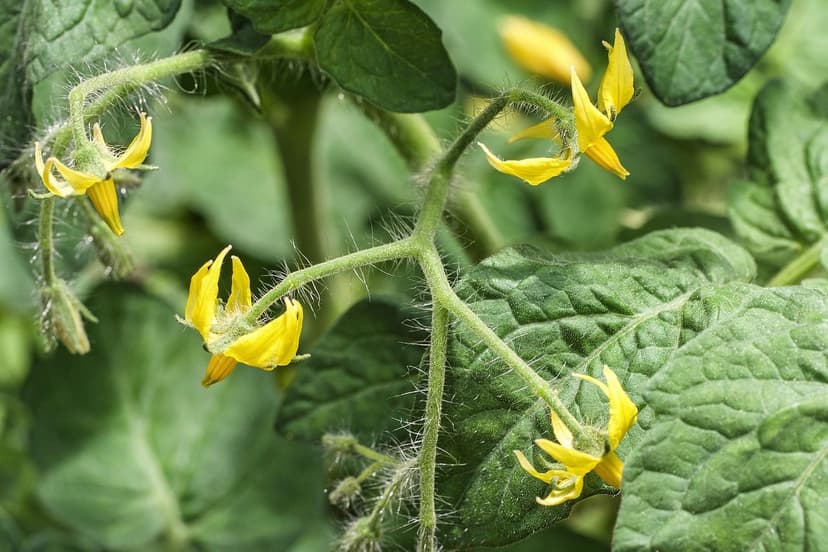
Biostimulants for tomatoes are applied at different stages of the crop to maximize their effectiveness. Their use is essential during the initial development of the plant, the flowering phase, and fruit filling. Generally, it is recommended to apply these products via drip irrigation or spraying, ensuring uniform distribution. It is vital to follow the manufacturer's instructions to optimize the impact and avoid adverse effects. For more information on their use, consult our guide on biostimulants for tomato cultivation.
Critical Phases for Application
The application of biostimulants should be strategic, taking into account the critical phases of the crop. During the germination phase, biostimulants can help improve the emergence rate and root development. During the vegetative phase, the use of amino acids and seaweed extracts is recommended, as they promote growth and overall plant health. In the flowering phase, biostimulants increase pollination and fruit set, while during fruit filling, they contribute to improving the size and quality of the tomato.
Germination Phase
During the germination phase, biostimulants can be crucial to ensure a robust start. A study conducted in greenhouses in Almería showed that the application of an amino acid-based biostimulant increased the emergence rate of tomato seedlings by 20%. This effect is due to improved enzymatic activity and stimulation of cellular metabolism, resulting in stronger root growth and more efficient plant establishment.
Vegetative Phase
During the vegetative phase, the use of biostimulants such as seaweed extracts can increase photosynthesis and vegetative growth. In trials conducted in Murcia, a 30% increase in plant biomass was observed after the application of a seaweed-based biostimulant, compared to a control group. This is attributed to the action of phytohormones present in the extracts, which promote cell elongation and leaf development. Additionally, the application of biostimulants during this phase can improve disease resistance, such as downy mildew, by strengthening the plant's natural defenses.
Flowering Phase
The flowering phase is critical for crop success, and the application of biostimulants at this time can improve pollination and fruit set. A study in Valencia revealed that the application of a cytokinin-based biostimulant resulted in a 40% increase in flower formation, which translated into a higher number of set fruits. This is because these compounds stimulate cell division in the flower ovaries, favoring fertilization and initial fruit development. Intervention at this stage can be decisive for maximizing yield in fields where pollination may be a challenge, especially under adverse climatic conditions.
Fruit Filling Phase
During the fruit filling phase, biostimulants can influence the size, shape, and quality of the tomato. In an experiment conducted in Extremadura, a biostimulant based on beneficial microorganisms was applied, resulting in a 25% increase in fruit weight compared to the control. This effect is attributed to improved nutrient and water uptake, as well as the production of secondary metabolites that contribute to fruit development. The application of biostimulants during this phase can also improve texture and extend the shelf life of the tomato, which is crucial for the market.
Mechanisms of Action of Biostimulants
Biostimulants act through various biochemical mechanisms that promote plant growth and development. Seaweed extracts, for example, contain phytohormones such as auxins and cytokinins, which regulate cell growth and cell division. Amino acids, on the other hand, are essential components in protein synthesis and can act as precursors to plant hormones. Additionally, beneficial microorganisms improve nutrient availability and promote a more robust root system, which is crucial for the development of the tomato plant.
Growth Stimulation Mechanisms
The interaction of biostimulants with plants is based on several mechanisms, such as the activation of specific metabolic pathways and the production of metabolites. For example, certain amino acids can activate the synthesis of antioxidants, which help plants manage abiotic stress, such as drought or salinity. A study conducted in Córdoba showed that the application of a biostimulant rich in amino acids increased the activity of antioxidant enzymes by 50%, thereby improving stress tolerance. This aspect is fundamental in a context of climate change, where plants face more frequent and severe stress conditions.
Interaction with Soil Microorganisms
Biostimulants can also positively influence soil microbiota. The application of products containing beneficial microorganisms, such as bacteria and fungi, can improve soil health and nutrient availability. In a field study in Valencia, it was observed that inoculation with a microbial biostimulant increased the population of rhizobacteria by 60%, which translated into better nutrient uptake by the roots of tomato plants. This highlights the importance of a holistic approach in agriculture, where soil health is considered a fundamental pillar for crop success.
Practical Examples of Field Application
In a study conducted on a farm in Murcia, a biostimulant based on seaweed extracts was applied during the flowering stage of tomatoes. A 25% increase in fruit set rate was observed compared to the control group. In another experiment in Valencia, a product based on beneficial microorganisms was used during fruit filling, resulting in tomatoes that were 30% larger and had an increased sugar content, thereby improving the quality of the final product. Additionally, under water stress conditions, it has been proven that the application of biostimulants not only improves production but also helps plants maintain their physiology, which is crucial for sustainable water management.
Application Under Water Stress Conditions
The application of
Ecoganic products for this topic
PK-FLOW 20
Phosphorus pentoxide (P₂O₅)
14,44 % p/p — 20,1 % p/v (measured)
Chloride: 2,74 % (measured)
View technical sheet →CALCIUM 40
Calcium oxide (CaO)
34,0 % p/p (measured)
Chloride: < 0,05 % (measured)
View technical sheet →NITROTECH 2.5
Total nitrogen (N)
≥ 2,5 %
Each datasheet publishes its guaranteed composition and, where available, the value measured at an accredited laboratory.
Related resources