

Introduction

Sustainable agriculture constantly seeks to improve crop resistance to pests and diseases. In this context, biostimulants have emerged as innovative solutions that not only optimize plant growth but also strengthen the natural defense of plants. This article focuses on the effects of biostimulants on pest resistance, exploring how these substances can be key to cultivating more efficiently and sustainably.
Effects of Biostimulants
Biostimulants, being composed of natural extracts and beneficial microorganisms, promote soil health and, consequently, plant health. According to recent studies, these products have been shown to increase the production of secondary metabolites in plants, which are essential for defense against pests. For example, some biostimulants promote the synthesis of phenolic compounds, known for their antibacterial and antifungal properties. A study conducted by the University of Córdoba demonstrated that the use of a seaweed-based biostimulant increased the concentration of phenolic compounds by 30% in strawberry crops, which translated into a 40% reduction in the incidence of fungal diseases.
Benefits in Productivity
The use of biostimulants is not limited to improving pest resistance but also increases overall crop productivity. In trials conducted on European crops, it has been observed that biostimulants improve fruit quality and production quantity, essential for agricultural profitability. In a tomato greenhouse experiment, a 25% increase in yield and a 15% improvement in fruit quality were reported after the application of a yeast extract, highlighting the dual benefits these products offer.
Another study on onion crops showed that the application of an amino acid-based biostimulant resulted in a 20% increase in bulb size and an improvement in sugar content, which increased their commercial value. These results demonstrate how biostimulants can be a valuable tool for farmers seeking to maximize their production and profitability, including practices such as nitrogen fertilization for peppers.
Increased Tolerance to Abiotic Stress
In addition to improving pest resistance, biostimulants also play a crucial role in plant tolerance to abiotic stress conditions, such as drought and salinity. A study conducted on maize crops showed that the application of a biostimulant based on seaweed extracts increased the plants' ability to withstand drought conditions, raising the concentration of osmoprotectants like proline by 45%. This resulted in a 30% increase in crop yield during periods of water stress.
The application of biostimulants has also proven effective in managing soil salinity. In a trial with tomato plants, it was observed that the application of a biostimulant based on mycorrhizal fungi improved the roots' ability to absorb water and nutrients, even in saline soils, increasing vegetative growth by 25% and reducing symptoms of salt stress by 50%.
Mechanisms of Action
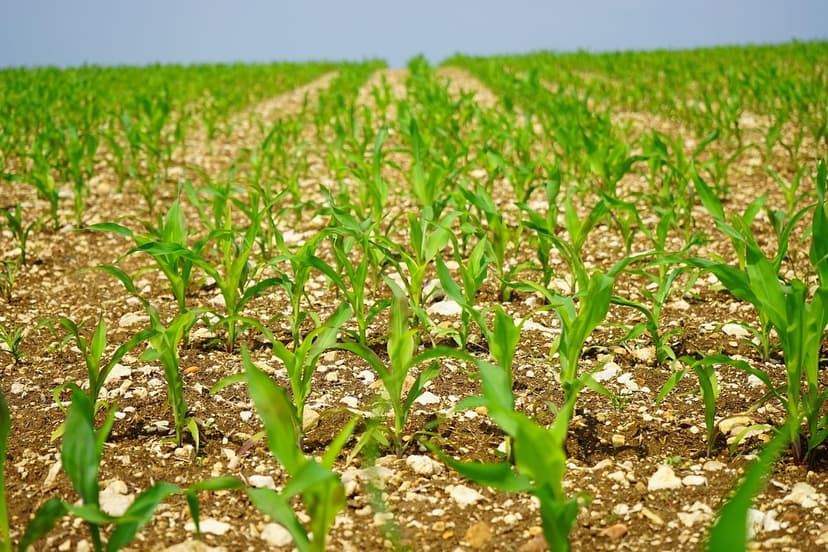
Biostimulants act through various mechanisms that strengthen plant defenses. One of the main ones is the stimulation of soil microorganism activity, which improves the availability of essential nutrients. Additionally, these products can induce defense responses in plants, preparing them to face pest attacks. This phenomenon not only translates into better plant health but can also result in increased resistance to adverse conditions such as drought or nutrient-poor soils.
Induction of Defense Responses
Biostimulants are capable of activating signaling pathways in plants that trigger the production of defense proteins and other biochemical compounds. This process is known as induced systemic resistance (ISR), and it has been evidenced in tomato and pepper crops, where the application of biostimulants resulted in greater resistance to pests such as aphids. A study from the University of California showed that the application of a chitosan-based biostimulant increased the expression of resistance-related genes by 50%, which translated into 60% less pest damage compared to untreated crops.
Furthermore, biostimulants have been shown to promote the production of phytoalexins, compounds that plants produce in response to a pathogen attack. In broccoli crops, it was observed that the application of a biostimulant based on seaweed extract increased phytoalexin production by 35%, contributing to greater resistance to diseases such as rust.
Stimulation of the Soil Microbiome
A fundamental aspect of biostimulants is their ability to modify the soil microbiome. By introducing beneficial microorganisms, such as certain strains of bacteria and fungi, soil structure can be improved and nutrient availability increased. These microorganisms not only help plants absorb nutrients more efficiently but can also compete with soil pathogens, thereby reducing the incidence of diseases. For example, a trial in corn crops showed that inoculation with a biostimulant containing bacteria of the genus Bacillus resulted in a 20% increase in plant biomass and a 30% reduction in the population of pathogenic nematodes.
Research has also shown that biostimulants can enhance the solubilization of nutrients such as phosphorus and potassium, essential elements for plant growth. In a study conducted on rice crops, it was demonstrated that the application of a biostimulant based on mycorrhizal fungi increased phosphorus availability by 40%, leading to more robust plant growth and greater disease resistance.
Interaction with Secondary Metabolites
Biostimulants also influence the production of secondary metabolites, which are crucial for plant defense. These compounds, including flavonoids, terpenoids, and alkaloids, are essential for resistance to pests and diseases. A study on basil plants showed that the application of an amino acid-based biostimulant increased flavonoid concentration by 60%, resulting in greater resistance to pests such as whitefly.
On the other hand, the application of biostimulants can activate the synthesis of terpenoids, which have repellent and toxic properties for many insects. In tomato crops, it was observed that the application of a biostimulant based on seaweed extract increased terpenoid production by 50%, contributing to a significant reduction in pest populations.
Practical Applications
The implementation of biostimulants in agronomic management can be decisive for reducing pesticide use and improving health
Related resources