

Introduction
Biostimulants for vegetable crops represent an innovative tool that can maximize your harvest through sustainable agricultural practices. In a context where food demand is increasing and pressure on natural resources is evident, the need for solutions that promote soil health and nutrient use efficiency is crucial. Biostimulants, which include natural extracts and microorganisms, are capable of improving vegetable quality and enhancing their resistance to both biotic and abiotic stress factors.
The agronomic importance of biostimulants lies in their ability to optimize plant growth and development, resulting in higher productivity. As agriculture faces challenges such as climate change and reduced water resources, biostimulants emerge as a viable and sustainable option for farmers seeking to maintain market competitiveness.
What Are Biostimulants
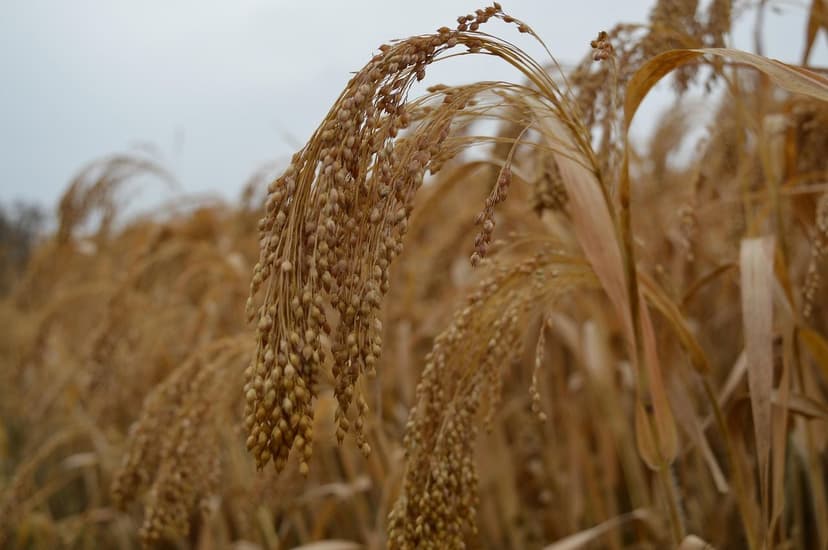
Biostimulants are formulations that enhance plant growth through mechanisms that stimulate their physiological processes. These products can include a variety of substances, such as organic compounds, microorganisms, and plant extracts. According to the FAO, biostimulants help improve soil health and, consequently, crop productivity.
A key aspect of biostimulants is their ability to interact with plant biological systems. This results in better nutrient assimilation, greater water use efficiency, and increased resistance to diseases and pests. These properties are particularly beneficial in vegetable crops, which are often more susceptible to adverse conditions.
Mechanisms of Action of Biostimulants
Biostimulants act through several mechanisms, including hormonal regulation, improvement of soil microbiota, and stimulation of enzymatic activity. For example, certain seaweed extracts contain auxins and cytokinins, plant hormones that promote cell growth, enhancing cell elongation and division.
Furthermore, biostimulants can increase the activity of beneficial microorganisms in the soil, which in turn improves nutrient availability. A study conducted by the University of Granada indicated that the application of a biostimulant based on mycorrhizal fungi increased root biomass by 40%, facilitating the absorption of phosphorus and other essential nutrients.
Biostimulants can also induce the production of secondary metabolites in plants, which are compounds that help the plant defend against pathogens and pests. For example, the application of plant extracts can increase the synthesis of flavonoids, which act as antioxidants and protect plants from environmental stress.
Influence on Soil Microbiota
Biostimulants can modify the composition and activity of soil microbiota, increasing the population of beneficial microorganisms. These microorganisms not only help decompose organic matter, releasing nutrients, but can also improve soil structure, facilitating the movement of water and air. A study from the University of Catania demonstrated that the application of a biostimulant based on nitrogen-fixing bacteria increased the population of these bacteria in the soil by 50%, resulting in a 20% increase in the yield of vegetables such as lettuce.
Benefits of Biostimulants in Vegetables
The benefits of using biostimulants in vegetable crops are numerous. Firstly, these products have been shown to increase germination and early plant development. For example, in a study conducted by the University of Córdoba, it was observed that the use of a biostimulant based on seaweed increased the germination rate of tomato seeds by 20% compared to the control.
Additionally, biostimulants can improve the quality of vegetables by affecting their nutrient content, flavor, and shelf life. Crops treated with biostimulants often exhibit a higher concentration of bioactive compounds, such as antioxidants and vitamins, which benefits not only the producer but also the final consumer.
Impact on Nutritional Quality
Biostimulants not only influence quantitative yield but also have a positive impact on the nutritional quality of vegetables. A study published in the Journal of Agricultural and Food Chemistry found that the use of biostimulants based on amino acids in lettuce crops increased vitamin C content by 15% and antioxidant content by 25%, thereby improving the nutritional value of the final product.
The improvement in quality also translates into a longer shelf life for vegetables. A trial conducted in greenhouses showed that the application of a biostimulant based on plant extracts extended the freshness of tomatoes by 30% compared to untreated ones, which is crucial for marketing.
In pepper crops, it was observed that the application of a biostimulant based on microorganisms improved fruit quality, increasing sugar content and reducing acidity, resulting in a more attractive product for consumers. This type of qualitative improvement not only benefits the farmer but can also open up new markets and commercial opportunities.
Resistance to Abiotic Stress
On the other hand, biostimulants also play a crucial role in mitigating abiotic stress. Studies show that these applications can increase plant tolerance to drought and extreme temperatures, allowing farmers to maintain production even under unfavorable conditions. For example, in field trials with vegetables, it was observed that plants treated with biostimulants showed less leaf damage and better water retention in the soil.
A study from the University of Hohenheim showed that the use of a biostimulant in pepper plants under drought conditions increased production by 20% compared to the control, demonstrating the effectiveness of these products in water stress situations.
Furthermore, the application of biostimulants can induce the accumulation of osmoprotective substances, such as proline, which help plants cope with drought stress conditions. This translates into better cell integrity and a greater ability to survive in adverse environments, which is especially relevant for crops in arid or semi-arid regions.
Resistance Induction Mechanisms
Biostimulants can also activate defense mechanisms in plants, allowing them to respond more effectively to stress factors. The application of certain biostimulants can induce the production of heat shock proteins and other defense molecules that help plants resist adverse conditions. A study conducted at the University of Barcelona showed that the application of a biostimulant based on seaweed extracts in tomato crops increased the expression of genes related to stress response by 30%.
Applications of Biostimulants
Biostimulants can be applied in various ways, depending on the type of crop and soil conditions. Foliar applications are common and allow for rapid absorption of biostimulants through the leaves. On the other hand, root applications are ideal for improving the health of the root system and nutrient availability in the soil.
Application Methods
Foliar applications are typically carried out at critical times, such as the start of flowering or during fruit development, to maximize their effectiveness. For example, applying a biostimulant based on seaweed extracts to zucchini crops during the flowering stage has been shown to increase fruit yield by 25% and improve fruit size.
Regarding root applications, these are mainly used during transplanting or early growth stages, where root system development is crucial. A study conducted on onion crops showed that applying a biostimulant during transplanting increased plant survival by 30% and promoted more vigorous growth.
Additionally, applying biostimulants through irrigation, known as fertigation, can be an effective strategy to ensure uniform distribution and better absorption in the root system. This method allows nutrients and biostimulants to reach the roots directly, maximizing their effectiveness and minimizing losses from evaporation or runoff.
Dosage and Application Frequency
Dosage and timing of application are critical factors for maximizing the efficacy of biostimulants. In general, it is recommended to apply biostimulants during critical stages of plant growth, such as germination or the start of flowering. For example, in lettuce crops, applying biostimulants during transplanting has been shown to result in a 15% increase in harvest yield.
However, it is important to follow the manufacturer's recommendations and conduct efficacy tests under specific crop conditions, as the response may vary depending on the type of biostimulant and environmental conditions. An evidence-based approach, including preliminary trials and result monitoring, will help optimize the use of these products in the field.
Improvements in Biostimulant Application
Innovation in biostimulant formulation has led to the development of products that combine different types of biostimulants, which can result in synergies that enhance their effects. For example, the combination of amino acids and seaweed extracts has shown improved nutrient bioassimilation, increasing the efficiency of chemical fertilizer use. A study on tomato crops demonstrated that this combination improved nitrogen uptake by 25%, resulting in more robust growth and higher fruit production.
Criteria for Selecting Biostimulants

When selecting a biostimulant for vegetable crops, it is essential to consider several criteria, such as compatibility with other inputs, crop type, and environmental conditions. The effectiveness of a biostimulant can vary significantly depending on the plant species and growing conditions. Therefore, it is advisable to conduct field trials to evaluate its performance.
Efficacy Evaluation
Additionally, it is important to ensure that the chosen biostimulant is registered and complies with regulations established by the EC and MDPI, thereby guaranteeing its safety and efficacy. Selecting products with scientific evidence supporting their use can make a difference in the success of the harvest.
A practical approach is to conduct small-scale field trials before implementing the use of a biostimulant across the entire production. This allows for evaluating not only performance but also the plant's response in terms of quality and resistance to pests and diseases. Collecting data during these trials can provide valuable information for long-term decision-making.
Interaction with Other Agricultural Inputs
It is essential to consider how biostimulants interact with other agricultural inputs, such as fertilizers and pesticides. Some biostimulants can enhance the effectiveness of fertilizers, while others may be incompatible with certain chemical products. For example, a study on carrot crops showed that the combined application of a seaweed extract-based biostimulant and a nitrogen fertilizer increased nitrogen use efficiency by 30%, resulting in greater growth and production.
Case Studies
Several case studies have demonstrated the effectiveness of biostimulants in vegetable crops. In trials conducted with pepper crops, it was observed that the use of a microorganism-based biostimulant increased yield by 30% compared to the control. These results highlight the importance of implementing biological solutions in modern agriculture.
Real-World Examples in Vegetable Crops
Another example is the use of biostimulants in carrot production. In a study published in the Journal of Applied Botany, a significant increase in root size and quality was reported when biostimulants were applied during critical growth stages. Researchers found that the use of a pea extract-based biostimulant increased root diameter by 18% and improved their sugar content, leading to better market acceptance.
In tomato crops, a greenhouse trial demonstrated that the application of a biostimulant based on amino acids and seaweed extracts improved yield by 35% and fruit quality, increasing lycopene content by 20%. This compound is known for its antioxidant properties and potential to enhance human health.
In a study conducted with broccoli crops, the application of a yeast extract-based biostimulant resulted in a 25% increase in protein content and a 30% increase in phenolic compounds, which are known for their antioxidant properties. This not only improves broccoli quality but also offers additional health benefits for consumers.
Economic Results
The economic benefits derived from the use of biostimulants are significant. A cost-benefit analysis carried out on vegetable crops in Spain showed that investment in biostimulants translates into a 40% increase in yield, generating a return on investment exceeding 300%. This demonstrates that, in addition to agronomic benefits, biostimulants offer a considerable economic advantage.
A case study in cucumber greenhouses revealed that the use of biostimulants not only increased yield by 30% but also reduced the need for chemical inputs by 20%, resulting in significant savings in production costs. This combination of increased yield and reduced costs is a powerful argument for the adoption of biostimulants in modern agriculture.
Finally, it is important to highlight that the implementation of biostimulants can also contribute to agricultural sustainability by reducing dependence on chemical fertilizers and pesticides, thereby promoting more responsible and environmentally friendly farming practices. This is crucial at a time when consumers are increasingly interested in sustainably grown products.
Future Perspectives
As research on biostimulants advances, new products and formulations that are even more effective are expected to emerge. Biotechnology and genetic engineering will play an important role in developing biostimulants that can be specifically tailored to the needs of different crops and environmental conditions. For example, specific microorganisms that can colonize plant roots and improve nutrient uptake more efficiently are being explored.
Furthermore, the use of precision agriculture technologies will allow farmers to apply biostimulants more effectively, using sensors and real-time data to optimize application and maximize benefits. This will not only improve resource use efficiency but also contribute to more sustainable and resilient agriculture.
Research and Development in Biostimulants
The field of biostimulants is constantly evolving, and research is focused on identifying new sources of biostimulants and better understanding their mechanisms of action. For instance, studies are being conducted on the potential of agricultural residues, such as seaweed compost or extracts from food industry waste, as effective biostimulants. These approaches are not only sustainable but can also contribute to the circular economy in agriculture.
Similarly, research into combining biostimulants with sustainable management practices, such as crop rotation and the use of cover crops, is gaining attention. These practices can further improve soil health and crop productivity. A recent study showed that combining biostimulants with cover crops can increase soil moisture retention and enhance microbial activity, resulting in healthier vegetable growth.
Regulations and Standards in the Use of Biostimulants
Regulations on biostimulants are evolving as their use expands in agriculture. The European Union has established a regulatory framework that classifies biostimulants and sets criteria for their marketing and use. This is crucial to ensure the quality and effectiveness of products on the market. Farmers must be aware of these regulations and ensure that the products they use meet the established standards.
Furthermore, biostimulant certification can offer farmers a competitive advantage in the market, as consumers are increasingly interested in products that have been grown sustainably and responsibly. Transparency in the use of biostimulants can improve consumer trust and promote more responsible agricultural practices.
Frequently Asked Questions
What are biostimulants?
Biostimulants are products that improve plant growth and development by stimulating their physiological processes. They can include microorganisms, plant extracts, and bioactive compounds.
How are biostimulants applied to vegetables?
Biostimulants can be applied foliarly or to the root zone, depending on the crop type and soil conditions. It is crucial to apply them at critical growth stages to maximize their effectiveness.
What are the benefits of biostimulants?
Biostimulants can increase germination rates, improve vegetable quality, and enhance tolerance to abiotic stress, resulting in more productive and healthier harvests.
How to select a suitable biostimulant?
It is important to consider the compatibility of the biostimulant with other inputs, the crop type, and environmental conditions, in addition to ensuring it meets safety and efficacy regulations.