

Discover how biostimulants can improve your crops in Europe. Optimize your agricultural production with Ecoganic and request your free quote today.
Introduction
In Europe, agriculture faces significant challenges, including climate change, soil degradation, and the need for more sustainable practices. Biostimulants emerge as a viable option to improve crops and increase agricultural efficiency. In this article, we will explore how biostimulants can transform agricultural productivity, optimizing crop health and their resistance to biotic and abiotic stress.
What are biostimulants?
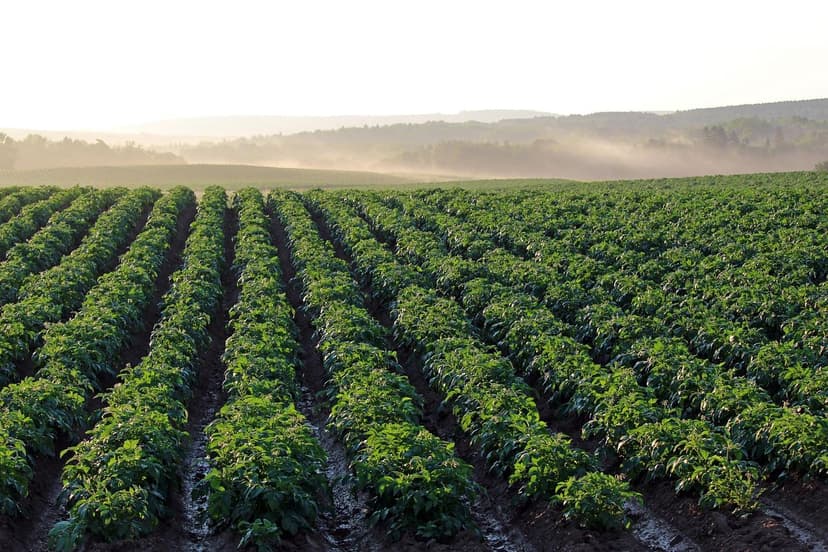
Biostimulants are products that, when applied to plants or soil, promote biological processes that enhance crop growth and development. These can include plant extracts, beneficial microorganisms, and bioactive compounds that improve nutrient availability.
Classification of biostimulants
- Microbial biostimulants: These contain living microorganisms that help improve soil health and nutrient uptake. Examples include bacteria such as Azospirillum and mycorrhizal fungi that facilitate phosphorus assimilation.
- Extract-based biostimulants: These include compounds derived from plants that stimulate growth and disease resistance. For instance, seaweed extracts like Ascophyllum nodosum have been shown to increase chlorophyll content and tolerance to water stress.
- Bioactive compound-based biostimulants: These are products containing substances such as amino acids, plant hormones, and humic acids that physiologically affect plants, improving their performance. A recent study showed that amino acid application can increase biomass production by 20%.
Importance of biostimulants in sustainable agriculture
Biostimulants play a crucial role in sustainable agriculture by contributing to the reduction of chemical inputs and improving soil health. This is especially relevant in Europe, where there is a growing interest in agricultural practices that minimize environmental impact. For example, the application of biostimulants can reduce the need for chemical fertilizers by 30%, which not only lowers costs for farmers but also reduces water and soil pollution.
Mechanisms of action of biostimulants
Biostimulants act through multiple biochemical and physiological mechanisms. On one hand, they promote microbial activity in the soil, which improves nutrient mineralization and their availability to plants. On the other hand, they can induce stress responses in plants, activating metabolic pathways that increase resistance to adverse conditions. For instance, amino acid-based biostimulants have been shown to increase the production of prolines, which act as osmoregulators, helping plants tolerate water stress. Additionally, some biostimulants can enhance root formation, which in turn increases the nutrient absorption surface area, contributing to better overall crop growth.
Interaction with plant hormones
Biostimulants can also interact with plant hormones, such as auxins and cytokinins, which are essential for plant growth and development. For example, some biostimulants based on seaweed extracts can increase auxin production, promoting root development and nutrient uptake. A study conducted on fruit crops indicated that the application of a seaweed-based biostimulant increased auxin production by 25%, resulting in more robust root growth and greater resistance to water stress.
Benefits of biostimulants
Biostimulants offer multiple benefits that can be decisive for farmers seeking to improve their crops sustainably:
- Improved nutritional efficiency: Biostimulants help increase nutrient availability in the soil, facilitating their uptake by plants. For example, microorganism-based biostimulants have been shown to increase phosphorus solubility in the soil by 30%.
- Increased stress tolerance: They help plants better adapt to adverse conditions, such as droughts or high temperatures. A study on maize crops showed that the use of biostimulants increased water retention capacity by 15% during drought periods.
- Improved crop quality: Crops treated with biostimulants often exhibit better organoleptic characteristics and higher nutritional content. In tomato trials, biostimulants increased antioxidant content by 25%.
- Disease reduction: Some biostimulants can strengthen plants' natural defenses, reducing the incidence of pests and diseases. For example, the use of seaweed extracts has been shown to reduce the incidence of downy mildew in grape crops by 40%.
Impact on soil biodiversity
Biostimulants not only benefit crops but also positively impact soil biodiversity. By enhancing microbial activity, biostimulants promote a healthier ecosystem, which can result in greater resilience of the agricultural system. Research has shown that the use of biostimulants can increase soil microbial biomass by 50%, promoting the activity of beneficial organisms that contribute to soil health. This increase in microbial diversity not only improves nutrient availability but can also aid in the biological control of pests and diseases, creating a more balanced and sustainable agricultural system.
Application of biostimulants
To maximize the benefits of biostimulants, it is essential to know the proper way to apply them. Below are some recommendations:
1. Assessment of crop needs
Before applying a biostimulant, it is essential to diagnose the nutritional and health status of the crop. This will allow selecting the most suitable product and the correct dosage. Tools such as soil and plant tissue analysis are essential to determine nutritional deficiencies and adjust applications accordingly. A case study on rice crops in Italy showed that biostimulant application was optimized by conducting a prior analysis, resulting in an 18% yield increase. Additionally, this assessment helps identify the type of biostimulant best suited to the specific crop and soil conditions, thereby maximizing results.
2. Application methods
- Foliar application: Biostimulants can be applied directly to the leaves, where they are rapidly absorbed. Studies have shown that foliar application of biostimulants can be up to 50% more effective than soil application in certain crops. A practical case in strawberry crops showed that foliar application increased yield by 30% compared to soil application. Additionally, foliar application allows for a faster plant response to biostimulants, which is especially useful under stress conditions.
- Soil application: They can be incorporated into the soil to act directly on the roots. This technique is particularly effective in soils with low microbial activity, where biostimulants can help restore biological balance. In an experiment with corn crops, soil application of a microorganism-based biostimulant improved nitrogen uptake by 25%. This is crucial in soils where microbial activity has been compromised by excessive use of chemical fertilizers.
- Fertigation: This technique combines the application of biostimulants with fertilization through irrigation, ensuring uniform distribution. In experiments with greenhouse vegetable crops, fertigation with biostimulants has shown a 30% increase in nutrient use efficiency. A study on lettuce crops revealed that fertigation enhanced both growth and harvest quality. Fertigation allows for more efficient use of water and nutrients, which is especially important in water-scarce regions.
3. Timing of application
The timing of application is crucial for achieving optimal results. It is recommended to apply biostimulants at key stages of the growth cycle, such as during the establishment phase, flowering, or before harvest. A study on soybean crops demonstrated that applying biostimulants during flowering resulted in a 22% increase in seed yield, highlighting the importance of choosing the right time for application. Furthermore, applying biostimulants under stress conditions can maximize their effectiveness, helping plants recover more quickly. For example, in wheat crops, applying biostimulants just before a heatwave has shown significant improvement in plant survival and final yield.
4. Dosage and frequency of application
The dosage and application frequency of biostimulants are critical factors influencing their effectiveness. Generally, it is recommended to follow the manufacturer's instructions, but it is also important to conduct field tests to adjust doses based on crop response. Research has shown that lower doses of biostimulants can be as effective as higher doses, suggesting that efficiency is not always related to the amount applied. For example, in trials with onion crops, it was determined that a dose of 50% of the recommended amount improved yield without causing adverse effects. This highlights the importance of calibration in the use of biostimulants. Implementing a monitoring program that evaluates crop response can help adjust doses and application frequencies more effectively.
5. Interaction with other agricultural inputs
Biostimulants can interact positively with other agricultural inputs, such as fertilizers and pesticides, enhancing their efficacy. A study conducted on wheat crops showed that the combination of biostimulants with nitrogen fertilizers increased nitrogen uptake by 40%, resulting in greater growth and yield. However, it is essential to conduct compatibility tests before mixing products, as some combinations may not be effective or could even be harmful. For example, in tomato crops, it was observed that combining an algae-based biostimulant with a fungicide improved disease resistance, while mixing it with an insecticide showed negative results. Research on the compatibility of biostimulants with other inputs is essential to maximize their benefits and minimize risks.
6. Examples of field application
In practice, many farmers have begun implementing biostimulants in their crops. A notable case was that of a farmer in Spain who used a microbial biostimulant on his pepper crops, resulting in a 35% increase in yield and a 20% reduction in the use of chemical fertilizers. Another example is a grape producer in France who applied seaweed extracts, which not only improved grape quality but also increased resistance to fungal diseases, reducing fungicide use by 50%. In the Netherlands, a strawberry farmer reported improved fruit quality and a 25% increase in yield by applying an amino acid-based biostimulant, highlighting the versatility and effectiveness of these products in diverse agricultural conditions.
Example of implementation in citrus crops
In an experiment conducted on a citrus plantation in Italy, a biostimulant based on seaweed extracts was applied during the flowering phase. The results showed a 30% increase in fruit yield and a 15% improvement in fruit size compared to the control group. Additionally, a reduction in pest incidence was observed, allowing for a 25% decrease in pesticide use, demonstrating that biostimulants not only improve yield but also contribute to more sustainable agricultural practices.
Example of implementation in vegetable crops
A farmer in southern France implemented a biostimulant program on his carrot crops. By applying a microorganism-based biostimulant at the start of growth, a 40% increase in germination and more uniform seedling growth were observed. The harvested carrots were larger and had better texture, resulting in a 30% increase in selling price on the local market. This case highlights how the application of biostimulants can influence not only yield but also the quality of the final product.
Conclusions

Biostimulants represent a valuable tool in sustainable agriculture in Europe, offering a range of benefits that can improve crop health and increase productivity. By understanding their classification, benefits, and application methods, farmers can make informed decisions to optimize their use. With a focus on sustainability and efficiency, biostimulants have the potential to be a key component in the agriculture of the future, helping to address current challenges and ensure food security in a constantly changing world. Furthermore, ongoing research in this field will enable the discovery of new biostimulants and the improvement of existing ones, further expanding their applications and effectiveness in modern agriculture.
Related articles
- Effect of Biostimulants on Olive Tree Yield
- Luxury Renovations: Acoustics and Insulation in Premium Homes
- Nitrogen and Seaweed Extracts: Synergy in Agriculture
Need professional help?
At Ecoganic in Spain, Europe, we offer certified Biostimulants and Organic Fertilizers. Call us: +34 623 753 719.
Biostimulants in European Agriculture: Data and Recommendations
The use of biostimulants in European agriculture has grown significantly over the last decade. According to a report by the European Biostimulants Industry Council (EBIC), the biostimulant market in Europe reached a value of approximately €1.5 billion in 2022, with a compound annual growth rate of 10% projected through 2026. This growth is driven by the increasing demand for sustainable agricultural practices and the need to improve crop productivity in the context of climate change.
Biostimulants can improve soil health and nutrient use efficiency, resulting in increased crop yields. Recent studies have shown that the use of biostimulants can boost crop production by 10-20%, depending on the crop type and environmental conditions. For example, in tomato crops, a 15% yield increase has been observed when applying biostimulants based on seaweed extracts.
For farmers looking to implement biostimulants in their practices, it is recommended to conduct a soil analysis and assess the specific needs of their crops. The application of biostimulants should be tailored to the growth stages of the plants; for instance, applying biostimulants during the crop establishment phase can help improve nutrient uptake and root development. Additionally, it is crucial to select products that are registered and approved for use in organic agriculture, thereby ensuring the sustainability of farming practices.
Related Articles
- Ecoganic
- Effect of Biostimulants on Olive Tree Yield
- Synergistic Effects of Biostimulants and Fertilizers
Frequently Asked Questions
Are biostimulants safe for the environment?
Yes, biostimulants are designed to be eco-friendly products that improve soil and crop health without causing harm to the environment.
Can biostimulants replace fertilizers?
No, biostimulants do not replace fertilizers, but they can complement them and optimize their use.
Are all biostimulants effective?
The effectiveness of biostimulants can vary depending on the crop type and agronomic conditions.
Where can I purchase biostimulants?
Biostimulants can be purchased through agricultural distributors or directly from specialized companies such as Ecoganic.
Which types of crops benefit most from biostimulants?
Biostimulants can be beneficial for a wide range of crops, but their impact may be more noticeable in crops facing stress conditions.