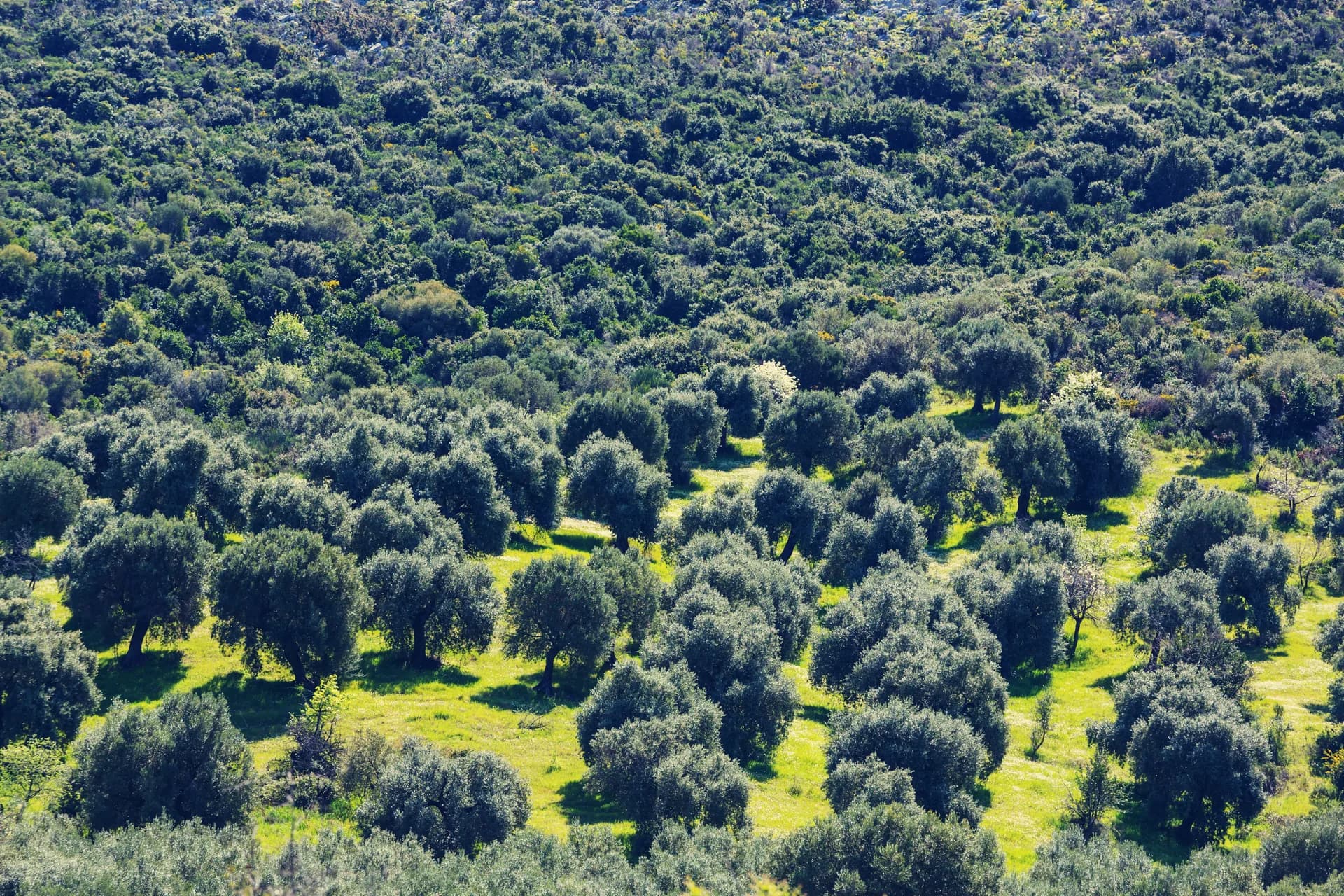
Discover how the use of biostimulants in pest control in olive trees can improve the health of your crops. Request your free quote now!
Introduction
The use of biostimulants in pest control in olive trees has become a key strategy for growers seeking to improve the health and productivity of their crops. These products, made from natural extracts and microorganisms, not only promote plant growth but also contribute to resilience against various pests. This article examines how biostimulants can be a sustainable and effective solution in pest management in olive groves.
Benefits of Biostimulants
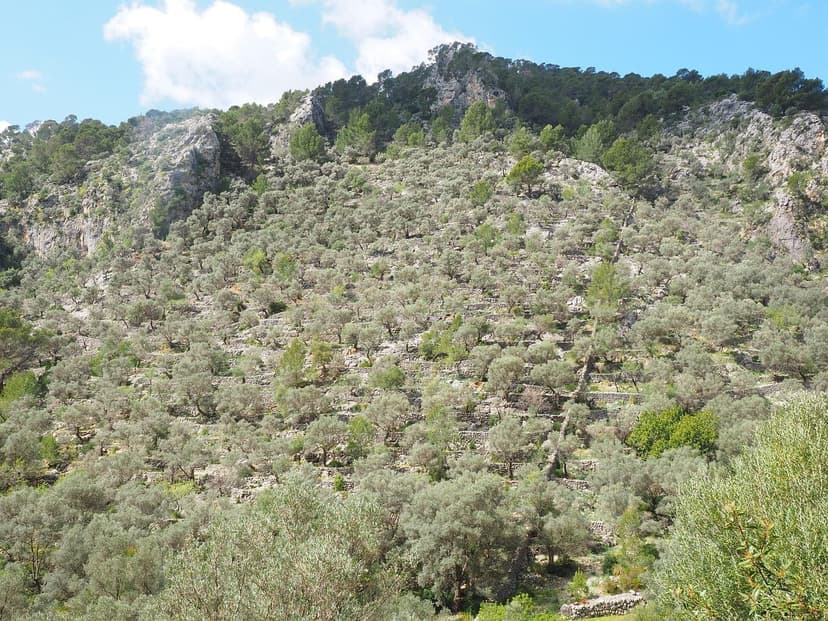
Biostimulants offer a range of benefits in pest control that can be crucial for the health of olive trees:
- Strengthening of the immune system: Biostimulants can help plants develop more robust defences, enabling them to withstand pests better.
- Improved nutrition: By optimising nutrient uptake, biostimulants contribute to healthier, more vigorous growth.
- Reduced use of chemical pesticides: By increasing the natural resistance of plants, they can reduce the need for chemical treatments, promoting more sustainable agriculture.
Research on Biostimulants and Pest Control
For example, research published on ScienceDirect suggests that certain biostimulants can modify the secondary metabolite profile of plants, which in turn can influence the attraction or repulsion of pests.
Types of Biostimulants Used
There are different types of biostimulants that can be used in olive groves:
- Algae extracts: Known for their ability to improve the overall health of plants and increase their tolerance to stress.
- Beneficial microorganisms: Such as bacteria and fungi that can promote root growth and improve resistance to pests.
Application and Effectiveness
The effectiveness of biostimulants in pest control also depends on their correct application:
- Adequate doses: It is crucial to apply the recommended doses to maximise the benefits and minimise waste.
- Timing of application: Synchronising the application with the growth stages of the olive tree and the life cycle of the pests can influence the results.
- Environmental conditions: Factors such as temperature and humidity can affect the effectiveness of biostimulants. In warm, dry climates, some biostimulants may break down more quickly, which can reduce their efficacy. An analysis of the effectiveness of a biostimulant under different climatic conditions revealed that its efficacy remained at 70% under optimal conditions, but fell to 40% under conditions of severe water stress.
Results of Field Studies
Mechanisms of Action of Biostimulants
Biostimulants act through multiple mechanisms that strengthen plant defences. One of the main mechanisms is the induction of systemic acquired resistance (SAR), which refers to the ability of a plant to respond to a pathogen attack after having been exposed to a biostimulant. This process involves the activation of defence-related genes, resulting in the production of secondary metabolites and defence proteins.
Impact on Soil Health
In addition to the direct benefits for plants, biostimulants can have a positive impact on soil health. For example, a biostimulant based on microorganisms can encourage soil biological activity, increasing the population of beneficial bacteria and fungi. This holistic approach not only improves plant health, but also promotes more sustainable agricultural practices in the long term.
Considerations on Compatibility with Other Treatments
It is essential to take into account the compatibility of biostimulants with other agricultural treatments, such as pesticides and fertilizers. This suggests that biostimulants can be used in an integrated pest management approach, enhancing the effects of other treatments and contributing to more sustainable agriculture.
Economic Aspects of the Use of Biostimulants
The implementation of biostimulants in olive cultivation not only has agronomic benefits, but can also result in significant economic advantages. This translates into an increase in the profitability of the crop, which is especially relevant in a sector where profit margins can be narrow. In addition, the production of higher-quality olive oil, thanks to the use of biostimulants, can achieve higher prices on the market, which further improves the economic viability of olive groves.
Challenges and Limitations in the Use of Biostimulants
Despite the benefits, the use of biostimulants also faces certain challenges and limitations. The variability in the composition of biostimulants can lead to inconsistent results under different growing conditions. Therefore, it is crucial that farmers carry out prior trials in their fields to determine which products are most effective in their specific context. In addition, the lack of standardised regulation on the use of biostimulants can make it difficult to select products of proven quality and efficacy.
Future Prospects in the Use of Biostimulants
The future of the use of biostimulants in agriculture, and in particular in olive cultivation, is promising. With increasing pressure to reduce the use of chemical pesticides and adopt more sustainable agricultural practices, biostimulants are gaining attention in research and development. It is expected that in the coming years new, more effective biostimulant formulations will be developed, as well as application technologies that optimise their effectiveness. In addition, the integration of biotechnology and microbiology into the production of biostimulants can lead to the creation of more specific and efficient products, adapted to the particular needs of each crop and region.
Conclusions
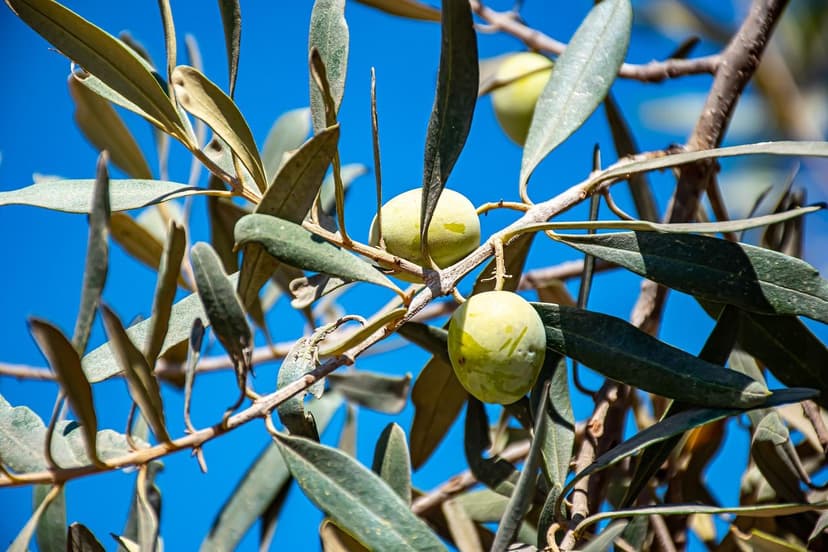
The use of biostimulants in pest control in olive trees represents a viable and sustainable alternative for improving crop health. These products not only encourage more robust growth but also help to reduce dependence on chemical pesticides. For growers interested in implementing these practices, it is essential to consider factors such as product selection, doses and timing of application. In addition, continuous monitoring of results is recommended, along with adapting to changing agricultural environment conditions to maximise the benefits of biostimulants.
Request your free quote
If you would like more information on how biostimulants can benefit your olive crops, do not hesitate to contact us and request your free quote.
Research on Synergies between Biostimulants
Recent research has begun to explore the synergies between different types of biostimulants. This synergy is due to the ability of biostimulants to activate different defence mechanisms in plants, creating a more robust response against pathogens.
Biostimulants and Climate Change
Climate change is affecting agriculture in multiple ways, including the emergence of new pests and diseases. In this context, biostimulants can play a crucial role in the adaptation of crops to these new conditions.
Education and Training in the Use of Biostimulants
Education and training of growers in the use of biostimulants are fundamental to maximising their benefits. Training programmes and workshops can help growers to better understand how to apply these products effectively and to recognise the signs of stress in their crops.
Future Research in Biostimulants
As science advances, new research on biostimulants is expected to emerge. This includes the identification of new strains of microorganisms and plant extracts that may be even more effective in pest control. In addition, research in biotechnology could enable the creation of customised biostimulants, designed specifically to address particular pests or diseases under different growing conditions. Collaboration between researchers, growers and companies in the sector will be key to driving these advances and fostering more sustainable agricultural practices.
Related articles
Do you need professional help?
At Ecoganic in Spain, Europe, we offer certified biostimulants and organic fertilizers. Call us: +34 623 753 719.
Biostimulants in the olive grove: criteria for use and relationship with pest management
Biostimulants are used in the olive grove as a support to the general management of the crop and can contribute to the general vigour of the tree, within a more sustainable agriculture. It is worth making one starting point clear: a biostimulant is not a plant protection treatment and does not serve to control pests. If there is a pest problem on the holding, the decision must be based on monitoring of the plot and on the control methods authorised for each case, with the advice of a technician.
Biostimulants are usually composed of algae extracts, microorganisms and organic compounds. They are used with the intention of favouring more robust root development, which in turn could contribute to better nutrient and water uptake. This effect depends on the product, the soil, the age of the plantation and the season, so it is worth checking on each holding, comparing a treated area with an untreated control before generalising its use.
If it is decided to try a biostimulant, the prudent approach is to apply it at critical stages of olive development, such as flowering and the beginning of veraison, always within the doses and intervals on the label. In organic olive growing, it is worth confirming with the certification body that the product is admissible before buying it. Biostimulants can coexist with integrated pest management (IPM), but they do not replace it: monitoring of pest populations, cultural measures and authorised control methods remain the basis, and the application of a biostimulant must not delay or replace any of these actions. It is worth noting the date, the product and the conditions of each application so as to be able to assess afterwards, on an informed basis, whether it has been worthwhile.
What are biostimulants?
Biostimulants are products that improve plant growth and health by stimulating biological processes.
How do biostimulants help in pest control?
They improve the immune system of plants, increasing their resistance to pests and diseases.
What are the most common types of biostimulants?
The most common include algae extracts, amino acids and beneficial microorganisms.
Are biostimulants safe for the environment?
Yes, they are designed to be more sustainable and less harmful than chemical pesticides.
Where can I buy biostimulants for my olive crop?
You can request them through specialised suppliers such as Ecoganic, which offers a variety of products.