
Biostimulants for Citrus: Complete Guide for Orange, Lemon, and Mandarin in Spain
Spanish citrus farming today faces the growing challenge of competition from emerging markets such as Morocco and Turkey. In this context, differentiating through quality is the only sustainable strategy for Spanish producers. Biostimulants play a crucial role in improving aspects such as fruit size, sugar content (Brix), post-harvest shelf life, and reducing post-harvest defects. Implementing effective biostimulation programs can make the difference between a successful citrus campaign and one that is not.
Citrus Physiology and Critical Points of Biostimulation
Citrus physiology presents unique challenges that can be effectively managed through biostimulants.
Multiple flowering: It is common to observe several flowering episodes, such as regrowth or late bloom. Synchronizing these flowerings is crucial to avoid peaks in nutrient demand and improve fruit set uniformity.
High calcium demand: Calcium is essential for cuticular resistance and extending the shelf life of citrus fruits. Its deficiency can result in fruits with poor rind quality.
Sensitivity to water salinity: Especially in regions like Murcia and Alicante, where water quality can be an issue, it is important to manage salinity to prevent osmotic stress in plants.
Alternate bearing: Varieties such as lemon and orange trees often exhibit alternate bearing. A proper biostimulation plan can help mitigate this effect, ensuring more regular yields.
Ecoganic Program for Citrus
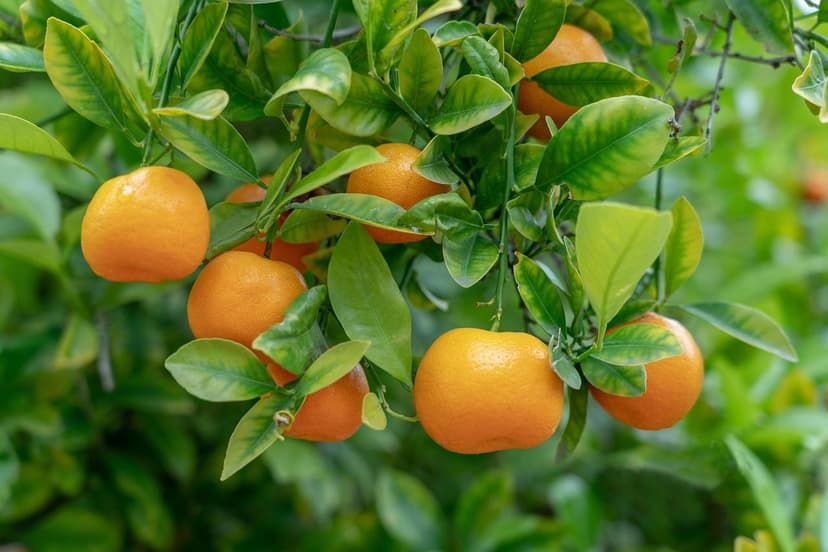
The Ecoganic program establishes a comprehensive biostimulation approach based on the phenological stages of citrus, adapted for different species and specific objectives.
| Phase | Months | Species | Objective | Product | Dose L/ha | Application |
|---|---|---|---|---|---|---|
| Post-harvest | December-January | All | Tree recovery | NITROTECH 16 + TERRA HUMID | 5+3 | Fertigation |
| Bud break start | January-February | All | Bud and root activation | BOOST UNIVERSAL + BALANCE 7-7-7 | 3+5 | Foliar |
| Full bloom | March-April | Orange/Mandarin | Fruit set, calcium, boron | PHACE + CALCIUM 40% + MICRO PLUS | 3+4+2 | Foliar |
| Continuous flowering | All year | Lemon | Permanent fruit set | CALCIUM 40% + BOOST UNIVERSAL | 3+2 | Biweekly foliar |
| Physiological drop | May-June | All | Fruit retention | CALCIUM 40% + K-FLOW 20 | 5+3 | Foliar |
| Fruit sizing | June-September | All | Size, Brix | PHOSMAX 20 + UNIVERSAL POWER | 3+2 | Monthly foliar |
| Ripening/coloring | Sept-November | Orange/Mandarin | Color, Brix, acidity | K-FLOW 20 + FULVEX 25L | 4+3 | Foliar |
Results in the Ribera del Xúquer (Valencia) and Campo de Cartagena (Murcia)
The use of biostimulants has shown significant results in the main citrus-growing regions of Spain.
A 16% increase in fruit size has been observed, which represents a price differential in exports, especially in large sizes such as 1-3. Additionally, vitamin C content has increased by 12%, offering a significant nutritional advantage in premium markets.
The reduction in physiological fruit drop has also been notable, reaching a 25% decrease. The increase in postharvest shelf life, by 3 to 4 additional days, is critical for export to distant markets such as the UK and Germany. Finally, the incidence of rind blemishes has been reduced, improving the appearance of the citrus fruit.
Organic Citrus — The Fastest Growing Market
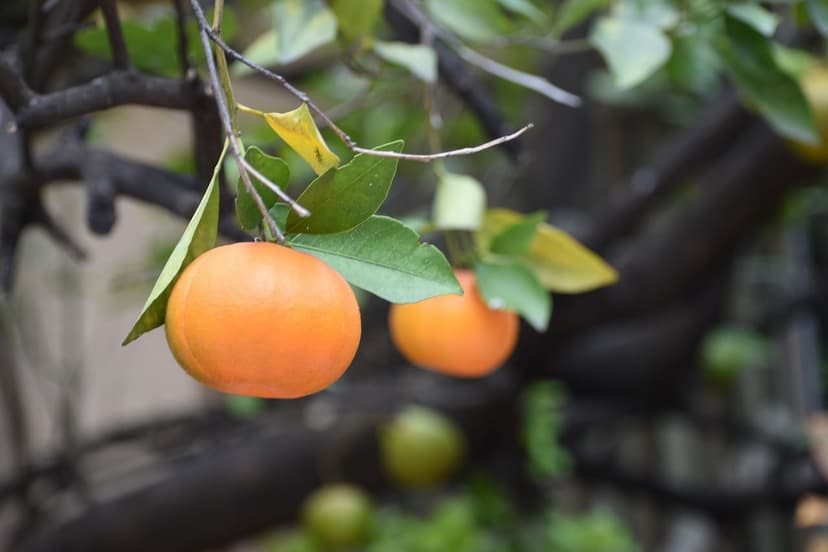
Demand for organic citrus produced in Spain is booming, especially in countries like Germany, France, and the Netherlands. Farmgate prices for organic oranges can be 30 to 50% higher compared to conventional production.
The Ecoganic program is compatible with the most stringent organic certification standards, such as CAAE, Ecocert, and the European regulation EU 2018/848. Additionally, the reduction in the use of phytosanitary products is an added benefit, as biostimulants strengthen the natural defenses of plants.
Species-Specific Particularities
Citrus fruits have specific particularities by species that must be taken into account for effective biostimulation.
For the orange tree (Navel, Valencia Late), it is crucial to reinforce applications in May and July to mitigate the two common physiological fruit drops. The mandarin tree (Clementine, Nadorcott) is particularly sensitive to water stress during July, requiring careful irrigation management.
The lemon tree (Verna, Fino) requires an uninterrupted biostimulation program due to its continuous flowering. Finally, the grapefruit has a high demand for magnesium, making it advisable to add MICRO PLUS at all stages.
Frequently Asked Questions
Does CALCIUM 40% help reduce fruit cracking in mandarin trees?
Yes, calcium strengthens cell walls, reducing the risk of cracking under conditions of water fluctuations.
Can fertigation be used in clay soil with high EC?
It is possible, but it is important to adjust doses and frequencies to avoid salt accumulation in the substrate.
Do biostimulants help against iron chlorosis?
They can improve the overall health of the tree, but for iron chlorosis, it is vital to correct iron availability in the soil.
How often should biostimulants be applied to continuously producing lemon trees?
We recommend biweekly foliar applications to maintain consistent fruit set.
Are they compatible with Greasy Spot treatments?
Most biostimulants are compatible, but it is always advisable to conduct prior compatibility tests.