

Discover how biostimulants can boost sugarcane production and improve your crop yields. Contact us for more details!
Introduction
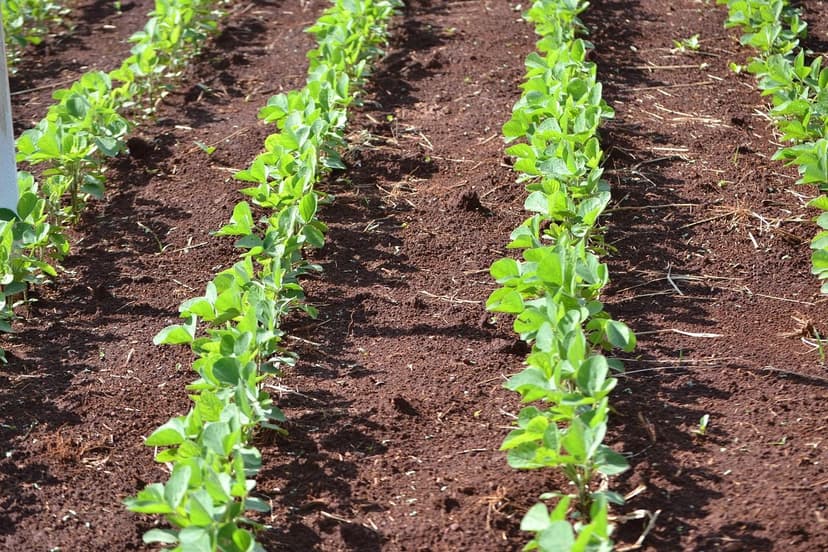
Biostimulants have emerged as a crucial tool for increasing sugarcane production, offering significant benefits in terms of yield and quality. In this article, we will explore how these products can optimize agricultural production under challenging conditions, especially in regions with climate variability and water stress. For more information, visit Ecoganic.
Latest Scientific Studies

Recent research has shown that the use of biostimulants can result in notable improvements in sugarcane yield. According to studies conducted by the Obispo Colombres Agroindustrial Experimental Station (E.E.A.O.C) in Tucumán, an increase of 9 additional tons per hectare was achieved under recurrent water stress conditions. Additionally, the application of YaraVita BIOTRAC as a complement to soil fertilization achieved a difference of 9 bags of sugar per hectare compared to the traditional scheme.
Other studies on the use of phosphite (Phi) have shown that doses of 0.3 mM can increase the length, width, and number of leaves in specific varieties, while the use of bioavailable silicon has demonstrated production increases of between 20-32% through foliar applications. Furthermore, the use of bioprotectants in tropical fruit crops can complement these practices to further improve results. For more information on biostimulants, consult our basic guide.
Field Studies in Different Regions
A study conducted in the state of Jalisco, Mexico, evaluated the effect of applying biostimulants to different varieties of sugarcane. Increases of up to 15 tons per hectare were recorded in sugarcane varieties treated with seaweed extracts and amino acids, compared to those that received no treatment. This suggests that combining different biostimulants can be an effective strategy to maximize yield under various climatic conditions.
Additionally, in Brazil, an experiment in the state of São Paulo showed that applying biostimulants based on amino acids and micronutrients resulted in a 28% improvement in sugarcane yield compared to the control. These results highlight the importance of customizing biostimulant applications according to local conditions and specific crop needs.
In another study in the state of Goiás, Brazil, it was reported that applying biostimulants based on plant extracts increased resistance to pests and diseases, resulting in a 35% increase in sugarcane production. Farmers who implemented these practices also noted a reduction in pesticide use, contributing to more sustainable agriculture.
On the other hand, a trial in the state of Veracruz, Mexico, demonstrated that combining biostimulants with integrated management practices, such as crop rotation, resulted in a 30% increase in sugarcane production. This comprehensive approach not only improved yield but also favored soil health and microbiological biodiversity.
Biochemical Mechanisms of Action
Phosphite (Phi)
Phosphite acts by promoting nutrient assimilation and activating resistance processes against environmental stress. It improves root system development and enhances growth and yield in early crop stages. Applications during these critical phases are essential to maximize juice quality and response to adverse conditions. Studies have shown that phosphite increases the activity of antioxidant enzymes, such as superoxide dismutase and catalase, which protect plants from oxidative damage during stress.
A study conducted at the University of Florida found that phosphite application also induces the production of phytohormones such as auxins and cytokinins, which are crucial for vegetative growth and development. As a result, phosphite application not only improves resistance to water stress but also promotes more robust vegetative growth, translating into greater biomass and yield in sugarcane cultivation.
Mechanisms of Action of Biostimulants
Biostimulants act through various mechanisms, including modulation of soil microbiota, improvement of nutrient assimilation, and activation of specific metabolic pathways. For example, amino acid-based biostimulants can facilitate the synthesis of essential proteins during vegetative growth, resulting in an increase in plant biomass. Research has shown that foliar application of amino acids can increase chlorophyll concentration in leaves, thereby improving photosynthesis and, consequently, crop yield.
Furthermore, it has been demonstrated that biostimulants can influence the production of secondary metabolites, which are essential for plant defense against diseases and pests. This implies that their use not only increases yield but can also enhance the overall resistance of sugarcane to biotic and abiotic factors.
Hormetic Responses
Biostimulants induce hormetic responses, where low doses stimulate growth, while high doses can inhibit it. This underscores the importance of following dosage recommendations for each specific product. A study in Brazil showed that the application of salicylic acid at doses of 50-100 mg/L promoted a 30% increase in sugarcane growth, while higher doses resulted in a negative effect.
Additionally, research at the University of São Paulo has revealed that the application of seaweed extracts at low doses can increase resistance to abiotic stress, such as drought and salinity. These specific doses are able to activate metabolic pathways that favor the production of com
Ecoganic products for this topic
NITROTECH 8
Total nitrogen (N)
≥ 8 %
TERRA HUMID LIQUID
Humic and fulvic acids
incluido
UNIVERSAL POWER
Potassium oxide (K₂O)
1,19 % (measured)
Chloride: < 0,05 % (measured)
View technical sheet →Each datasheet publishes its guaranteed composition and, where available, the value measured at an accredited laboratory.
Related resources