

Discover the best biostimulants for certified organic agriculture in Europe. Learn about their benefits, prices, and how to optimize your crops.
Biostimulants for Organic Agriculture
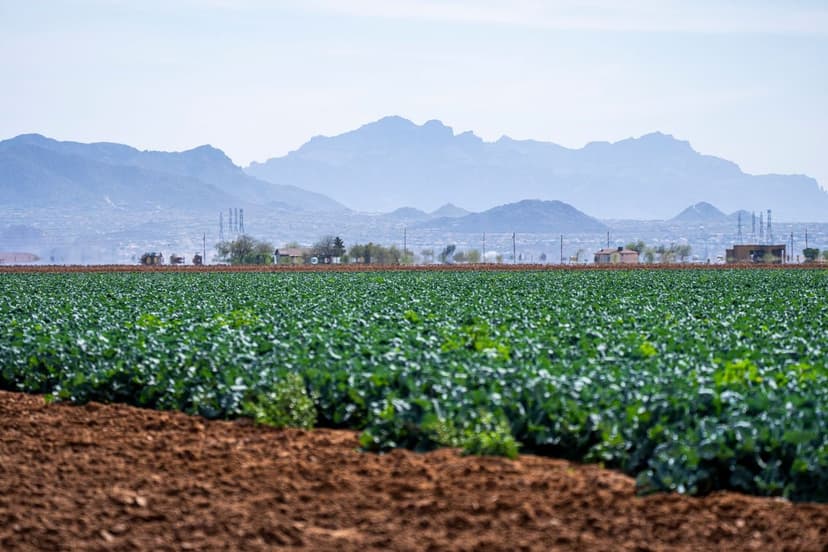
Biostimulants are products that improve crop efficiency and promote healthy plant growth. In Europe, these products have become an essential part of organic agriculture, driving sustainability and productivity. Biostimulants help optimize nutrient uptake, increase stress resistance, and improve crop quality. The proper selection of biostimulants can make a significant difference in agricultural yields.
Mechanisms of Action of Biostimulants
Biostimulants act through various biochemical mechanisms that enhance plant physiology. For example, seaweed extracts contain phytohormones such as auxins, gibberellins, and cytokinins that regulate plant growth and development. These hormones are essential for processes like cell elongation and cell division, resulting in more robust and healthy growth. Additionally, cytokinins present in seaweeds have been shown to stimulate root formation, improving water and nutrient uptake, particularly under water stress conditions.
Furthermore, the amino acids present in biostimulants can act as precursors for proteins and secondary metabolites, contributing to resistance to abiotic and biotic stress. In a study conducted by the French Agricultural Research Institute, it was demonstrated that the application of amino acids increased plant resistance to drought conditions by 25%. This increase in tolerance is due to amino acids stimulating the production of heat shock proteins and other compounds that protect plant cells.
Effect of Biostimulants on Enzymatic Activity
Biostimulants can also influence the enzymatic activity of plants. For example, seaweed extracts have been observed to increase the activity of antioxidant enzymes such as catalase and superoxide dismutase, which protect plant cells from oxidative stress. A study published in the Journal of Applied Phycology showed that the application of seaweed extracts increased the activity of these enzymes by 30% in pepper crops, improving overall plant health. This increase in enzymatic activity not only enhances stress resistance but also promotes more vigorous and healthy growth.
Interaction with the Soil Microbiome
A crucial aspect of biostimulants is their ability to interact with the soil microbiome. Beneficial microorganisms, such as bacteria and fungi, can improve nutrient availability by solubilizing essential minerals and promoting the formation of soil aggregates. For example, a study from the University of Agricultural Sciences in Poland demonstrated that inoculating crops with specific strains of nitrogen-fixing bacteria increased nitrogen availability in the soil by 40%, thereby reducing dependence on nitrogen fertilizers.
Furthermore, the addition of biostimulants can promote the growth of mycorrhizal fungi, which are known for their role in nutrient uptake. A recent study at the University of Agriculture in Krakow revealed that inoculating maize crops with mycorrhizal fungi, along with biostimulants, increased phosphorus uptake by 60%, significantly improving crop yield. This symbiotic interaction is essential for maximizing nutrient use efficiency, especially in soils with low phosphorus availability.
Benefits of Biostimulants in Organic Agriculture
The use of biostimulants in organic agriculture not only improves crop yield but also promotes soil health and biodiversity. By improving soil structure, biostimulants facilitate water and nutrient retention, which is crucial in organic farming systems where chemical fertilizers are avoided. According to a study from Wageningen University, the application of beneficial microorganisms can increase soil biological activity by 30%, enhancing nutrient availability.
Additionally, biostimulants can help mitigate the impact of pests and diseases. A trial on vegetable crops in the Murcia region showed that the use of biostimulants based on seaweed extracts reduced the incidence of fungal diseases by 35%, resulting in a lower need for phytosanitary treatments and increased profitability. This effect is due to biostimulants being able to induce systemic resistance in plants, activating natural defense mechanisms.
Improvement of Crop Quality
The use of biostimulants also has a direct impact on crop quality. For example, applying seaweed extracts to fruit crops has been shown to increase the concentration of phenolic compounds, which are natural antioxidants. A study conducted on strawberry crops revealed that the use of seaweed-based biostimulants increased antioxidant content by 15%, which not only improves the nutritional quality of the fruit but can also extend its shelf life during storage. This increase in antioxidant concentration is associated with greater resistance to postharvest diseases.
Likewise, the improvement in crop quality can translate into increased commercial value. In a market study conducted in Italy, it was observed that fruits treated with amino acid-based biostimulants achieved prices 20% higher in the market, due to their better appearance and nutritional content. This fact highlights the importance of biostimulants not only from an agronomic perspective but also from an economic one.
Types of Biostimulants
There are different types of biostimulants used in organic agriculture, each with specific properties:
- Seaweed Extracts: Known for their ability to improve resistance to adverse conditions and stimulate root growth. These extracts can also increase chlorophyll concentration, improving photosynthesis and, consequently, biomass production. A study on onion crops showed that the application of seaweed extracts increased chlorophyll by 25%, resulting in a significant increase in yield.
- Amino Acids: Promote cell development and help plants recover from stress. Amino acids such as proline and glycine betaine have been associated with tolerance to salinity and drought in tomato and pepper crops. A greenhouse trial demonstrated that the application of amino acids improved tomato production by 30% under water stress conditions.
- Beneficial Microorganisms: These include bacteria and fungi that improve soil health and nutrient availability. For example, mycorrhizal fungi can increase phosphorus absorption by 50%, which is critical for root development. In alfalfa crops, the use of these fungi together with biostimulants has been observed to result in a 40% increase in forage production.
- Bioactive Compounds: Substances that stimulate physiological processes in plants, such as photosynthesis. Polyphenols, found in certain biostimulants, can act as antioxidants, protecting plant cells from oxidative damage. A study on broccoli crops showed that the application of bioactive compounds increased glucosinolate production by 20%, thereby improving the nutraceutical profile of the final product.
Biostimulant Price Table by Type and Region
| Type of Biostimulant | Region | Price (€ per liter) |
|---|---|---|
| Seaweed Extract | Spain | 12.50 |
| Amino Acids | France | 15.00 |
| Microorganisms | Germany | 20.00 |
| Bioactive Compounds | Italy | 18.00 |
Practical Examples of Field Application
The application of biostimulants can vary depending on the crop type and environmental conditions. For example, in tomato crops, applying seaweed extracts at a concentration of 2 liters per hectare during the flowering phase has been observed to increase yield by 20% compared to untreated crops. This type of biostimulant improves fruit set and quality, contributing to greater profitability for the farmer.
In the case of grapevine crops, applying amino acids at the time of pruning has been shown to improve bud break and early leaf development, leading to an earlier onset of photosynthesis. A trial conducted in the Bordeaux region revealed that amino acid application increased grape production by 15% and improved must quality. This approach has allowed viticulturists to obtain higher-quality wines with more complex aromatic profiles.
Applications in Cereal Crops
Biostimulants are also beneficial in cereal crops. A study in wheat fields in northern Italy showed that applying a microorganism-based biostimulant during the vegetative development phase increased yield by 12%. Additionally, improved resistance to fungal diseases was observed, reducing the need for fungicides by 30%. This approach helps maintain the health of the agricultural ecosystem and reduces environmental impact.
In another experiment with barley crops, an amino acid-based biostimulant was applied, resulting in an 18% increase in grain production, as well as improved grain quality by increasing protein content. This is crucial for the brewing industry, which seeks high-quality barley. Furthermore, the use of biostimulants in barley has been shown to improve resistance to adverse weather conditions, such as droughts and frosts.
Applications in Vegetable Crops
In vegetable crops, such as lettuce, applying amino acid-based biostimulants during the transplant phase has been proven to increase vegetative growth and biomass production. In a trial in a greenhouse in the Netherlands, a 20% increase in lettuce yield was observed after applying an amino acid-based biostimulant, along with an improvement in the quality of the final product. This increase in production translates into higher profit margins for growers.
In carrot crops, the use of biostimulants based on seaweed extracts has been shown to improve the uniformity of tuber size and color, resulting in a 25% increase in harvest quality, which translates into higher market prices. Additionally, the improvement in carrot quality has been associated with an increase in carotenoid levels, enhancing their nutritional value.
Related Articles
Need Professional Help?
At Ecoganic in Spain, Europe, we offer certified Biostimulants and Organic Fertilizers. Call us: +34 623 753 719.
Our Experience
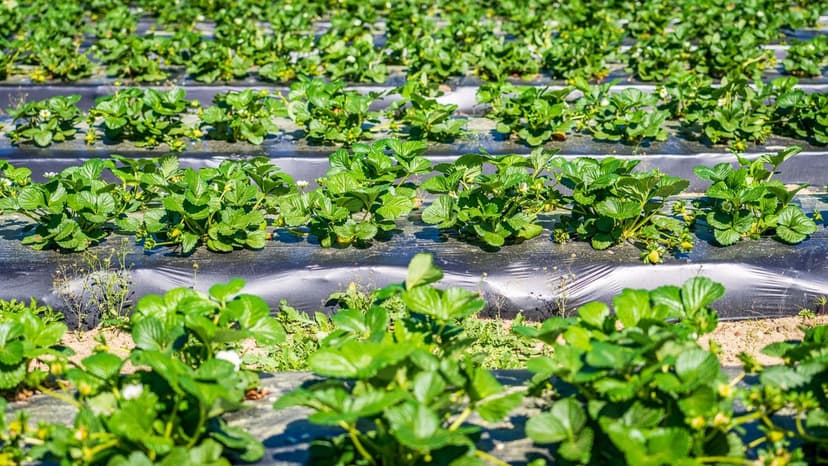
At Ecoganic, we have worked with farmers across various regions of Europe since 2021, implementing biostimulation solutions in olive, vine, and vegetable crops. Our projects have demonstrated a 15% increase in productivity compared to conventional methods. We have collaborated with technical partners to validate the efficacy of our products, ensuring their alignment with organic farming regulations in Europe.
Successful Case Studies
A notable success case occurred in a vegetable crop in the Andalusia region, where a biostimulant based on beneficial microorganisms was applied. After a three-month period, farmers reported a 30% increase in lettuce production, as well as a significant improvement in pest resistance, which reduced the need for chemical treatments by 40%. This result highlights the effectiveness of biostimulants in improving crop health and the sustainability of agricultural practices.
Another example is found in a vineyard in Tuscany, where a bioactive compound was used during the grape ripening phase. The result was a 25% improvement in sugar concentration and a 10% increase in total acidity, which is crucial for producing high-quality wines. This demonstrates how biostimulants can influence critical aspects of viticulture, contributing to the production of premium wines.
Impact on Sustainability
The use of biostimulants not only benefits crops but also has a positive impact on agricultural sustainability. The reduction in the use of chemical fertilizers and pesticides thanks to the application of biostimulants contributes to biodiversity conservation and improves ecosystem health. A study by the FAO indicates that implementing sustainable agricultural practices, including the use of biostimulants, can reduce greenhouse gas emissions by 30% compared to conventional agriculture. This is especially relevant in the context of climate change and the search for more sustainable alternatives in food production.
Water Resource Conservation
The application of biostimulants also plays a key role in water resource conservation. For example, a study from the University of Córdoba in Spain showed that the use of seaweed extracts in rice crops reduced water consumption by 15% due to improved soil moisture retention. This is especially relevant in regions where water is a scarce resource and its use must be optimized. Improved irrigation efficiency not only benefits crops but also contributes to environmental sustainability. Furthermore, it has been shown that the application of biostimulants can improve soil structure, increasing its water retention capacity and reducing erosion.
Regulations and Certifications in Europe
It is essential that biostimulants used in organic farming comply with European regulations and certifications. Regulation (EU) 2019/1009 establishes the criteria for marketing fertilizer products and biostimulants in the EU. Products must be evaluated and registered to ensure their safety and efficacy, as well as their compliance with the principles of organic farming. This includes the prohibition of synthetic chemical substances and the requirement that active ingredients come from natural sources. This regulation also promotes transparency in product labeling, allowing farmers to make informed decisions about the biostimulants they use.
Additionally, organic certification in Europe involves regular audits and rigorous documentation of biostimulant production and application processes. This ensures that farmers using these products can demonstrate their commitment to sustainable and responsible practices. The growing demand for organic products in the European market is driving more farmers to adopt biostimulants as part of their agricultural practices.
Recent Research on Biostimulants
Research on biostimulants has grown exponentially in recent years. Recent studies have shown that certain biostimulants can increase plant tolerance to environmental stress conditions, such as drought and salinity. For example, a study published in the Journal of Plant Growth Regulation found that the application of a seaweed extract to maize crops increased drought tolerance by 40%, which could be crucial in a context of climate change and water scarcity. Furthermore, it has been documented that biostimulants can improve photosynthetic activity under stress conditions, contributing to better crop yields.
Furthermore, modern biotechnology has enabled the development of more specific biostimulants, targeting certain plant species and growing conditions. This has led to the creation of customized products that can maximize benefits based on the specific needs of each crop. Recent research has explored the use of nanoparticles in biostimulants, which could improve the efficacy and absorption of these products by plants.
Advances in Biostimulant Biotechnology
Advances in biotechnology have enabled the identification and optimization of microbial strains that can act as biostimulants. Recent research has used genetic sequencing techniques to characterize microbial communities in the soil and select those with beneficial properties. For example, a study at the University of Barcelona found that certain strains of Pseudomonas fluorescens can increase the production of secondary metabolites in plants, thereby improving resistance to pests and diseases. The identification of these strains has opened new opportunities for the development of more effective and specific biostimulants.
Additionally, genetic engineering is beginning to play an important role in creating more effective biostimulants. Research in this field is exploring the possibility of modifying microorganisms to produce bioactive compounds in greater quantities, which could lead to significant improvements in plant health and yield. These advances could revolutionize the way biostimulants are used in agriculture, offering solutions more tailored to the needs of farmers.
Finally, precision farming methods are also being integrated with the use of biostimulants. The implementation of sensor technology and data analysis allows farmers to apply biostimulants more efficiently and at optimal times, further improving production outcomes. This approach enables more sustainable resource management and contributes to maximizing agricultural yields.
Economic Impact of Biostimulants
The adoption of biostimulants not only offers agronomic benefits but can also have a significant economic impact. A study by the University of Hohenheim in Germany estimated that the use of biostimulants in agricultural crops can result in a 10-20% increase in yields, translating into higher income for farmers. Additionally, the reduction in the use of chemical inputs can lower operational costs, allowing farmers to invest in other areas of their production. This economic impact is particularly relevant in the current context, where profitability is a critical factor for the sustainability of agricultural holdings.
For example, in a pilot project conducted on maize crops in France, farmers who implemented biostimulants reported savings of up to 30% on fertilizers and pesticides, enabling them to reinvest those resources in technology and more sustainable agricultural practices. These savings not only improve the economic viability of farms but also contribute to reducing the environmental impact associated with the use of chemical products.
Future Perspectives of Biostimulants
The future of biostimulants in organic agriculture looks promising. With the growing interest in sustainable agricultural practices and the need to increase food production in the face of a growing global population, biostimulants are emerging as a key solution. Research continues to expand, and new products are being developed that not only improve crop yields but also contribute to soil health and biodiversity. The integration of biostimulants into precision farming systems is also on the rise, allowing for more efficient and effective use of these products.
Furthermore, agricultural policies in Europe are beginning to recognize the value of biostimulants, which could lead to increased funding and support for their development and implementation. This, along with the growing demand for sustainable agricultural products, suggests that biostimulants will play a fundamental role in the future of organic agriculture in Europe and beyond. As farmers continue to seek ways to improve the sustainability and profitability of their practices, biostimulants are positioned as an essential tool in the arsenal of modern agriculture.
Related Articles
- Ecoganic
- Mechanisms of Action in Olive Water Stress
- Effect of Biostimulants on Olive Budding
Frequently Asked Questions
What are the average prices of biostimulants in Europe?
Prices vary depending on the type of biostimulant and the region. For example, seaweed extracts can cost around €12.50/liter in Spain.
What benefits do biostimulants offer in organic agriculture?
Biostimulants improve nutrient uptake, increase resistance to environmental stress, and optimize crop quality.
What are the most recommended biostimulant brands?
Some notable brands include Ecoganic, which specializes in sustainable and proven effective products.
What is the action period of biostimulants?
The effects of biostimulants can generally be observed within 2 to 4 weeks after application.
Are biostimulants safe for the environment?
Yes, biostimulants are designed to be safe and environmentally friendly, complying with organic farming regulations.
What type of crops benefit most from biostimulants?
Biostimulants are beneficial for a wide range of crops, including vegetables, fruits, and vineyards.
Can biostimulants be combined with fertilizers?
Yes, combining biostimulants with fertilizers can enhance the effectiveness of both, optimizing crop results.
Where can I purchase biostimulants in Europe?
Biostimulants are available at specialized stores, agricultural distributors, and online platforms such as Ecoganic.eu.