

Introduction

Biostimulation for cocoa in agroforestry systems is an emerging technique that is gaining popularity, especially in regions with acidic soils. Interest in these strategies stems from their potential to improve both the quality and yield of cocoa cultivation, a key product in Latin American agricultural economies. Biostimulants, compounds of natural origin that promote plant growth, are presented as a viable solution to optimize cocoa cultivation under adverse soil conditions.
This article explores in detail how biostimulation can improve cocoa quality, focusing on its application in agroforestry systems with acidic soils. Through case studies, analysis of biochemical mechanisms, and practical recommendations, we will provide you with a deep understanding of how to implement these strategies effectively.
Importance of Acidic Soil
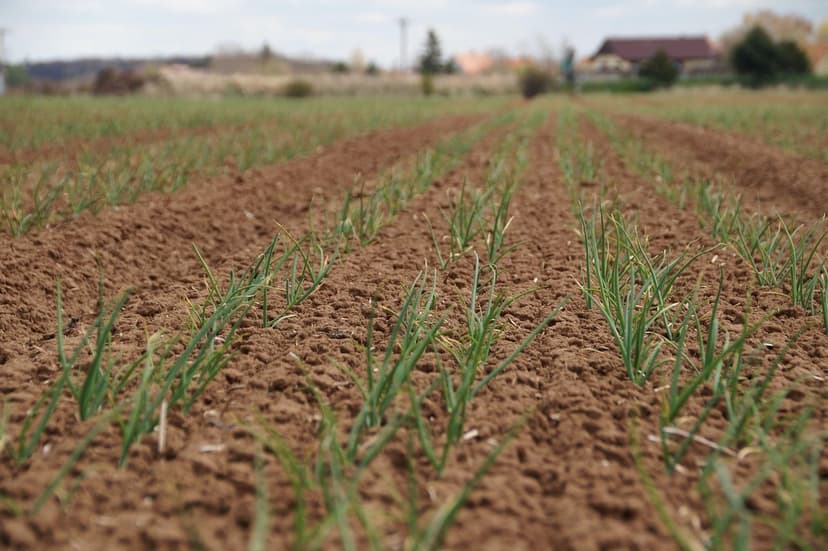
In many Latin American countries, acidic soils represent a significant challenge for agriculture. These soils typically have a low pH, which affects the availability of essential nutrients for plants. In the case of cocoa, a particularly sensitive crop, acidic soils can limit growth and productivity.
Characteristics of Acidic Soils
Acidic soils are characterized by a pH below 5.5, which can lead to aluminum and manganese toxicity, as well as deficiencies in nutrients such as calcium, magnesium, and phosphorus. These issues are common in humid tropical regions where intensive leaching has removed many of the soil's basic nutrients.
Soil acidity negatively affects microbial activity, which in turn decreases the mineralization of organic matter and nutrient availability. This creates a hostile environment for cocoa growth, affecting both root development and the photosynthetic efficiency of the plants.
Impact on Cocoa Production
Acidic soils not only affect the health of cocoa plants but also directly impact bean quality. A study conducted in cocoa plantations in Brazil showed that soil acidity reduced seed germination rates by 30% and decreased bean fat content by 15%, negatively affecting the quality of the chocolate produced.
Furthermore, acidic soils can increase the susceptibility of cocoa to diseases, such as witches' broom and moniliasis, by weakening the plant's natural defenses. Therefore, soil pH management is crucial not only for productivity but also for the quality of the final product.
Mitigation of Soil Acidity
One of the most effective strategies for mitigating soil acidity is the application of calcareous amendments, which can raise soil pH and improve nutrient availability. The use of dolomite, which contains calcium and magnesium, not only corrects acidity but also provides essential nutrients that are frequently deficient in acidic soils. It has been observed that applying 2 tons per hectare of dolomite can increase soil pH by approximately 1 unit over the course of a year.
Another technique is the use of cover crops that can improve soil structure and increase organic matter, which is essential for maintaining balance in the soil ecosystem. Plants such as mucuna and cowpea not only protect the soil from erosion but also fix nitrogen, naturally improving soil fertility.
Advances in Research on Acidic Soils
Recent research has revealed that biostimulation can interact synergistically with acidic soil management practices. For example, the use of phosphorus-solubilizing microorganisms can significantly improve the availability of this nutrient in soils where it is traditionally limited. Studies in cocoa plantations in Peru have shown that combining mycorrhizae with dolomite applications can increase phosphorus uptake by 50% compared to conventional methods.
Additionally, research has indicated that the use of biochar, a byproduct of the biomass pyrolysis process, can help improve the soil's cation exchange capacity, reducing acidity and enhancing nutrient retention. In field trials in Colombia, applying biochar to acidic soils resulted in a pH increase of up to 0.3 units and an improvement in soil moisture retention.
Biostimulation and Types of Biostimulants
Biostimulation uses natural substances to improve plant growth and health. Among the most effective biostimulants for cocoa in acidic soils are amino acids, humic acids, and beneficial microorganisms. Each of these types of biostimulants acts uniquely to promote plant health.
Mechanisms of Action of Biostimulants
Amino Acids: Amino acid-based biostimulants, such as Razormin and Fitomare, are known for improving photosynthesis and increasing root proliferation. These compounds mimic plant hormones, facilitating plant development in acidic soils. Amino acids act as precursors and activators of phytohormones and also participate in the synthesis of essential proteins for plant growth.
A study conducted on cocoa plantations in Costa Rica demonstrated that the application of amino acids increased nitrate reductase enzyme activity by 25%, significantly improving nitrogen use efficiency. This not only optimizes plant growth but also reduces the need for nitrogen fertilizers, contributing to more sustainable agriculture.
Humic Acids: These compounds improve soil structure and increase moisture retention. They also help release nutrients that are locked due to soil acidity, making them available to plants. Humic acids can increase the soil's cation exchange capacity, enhancing the availability of essential nutrients such as potassium and calcium.
Research in Colombia has shown that the application of humic acids can increase soil porosity by 15%, allowing for better aeration and water absorption by cocoa roots. This is crucial during drought seasons, where moisture retention can make the difference between a successful crop and a failed one.
Beneficial Microorganisms: Actinomycetes and other microorganisms in the rhizosphere can improve nutrient absorption and promote plant growth. Their use in cocoa has shown improvements in floral induction and crop yield. Beneficial microorganisms can fix atmospheric nitrogen, solubilize phosphorus, and produce phytohormones that stimulate root growth.
In an experiment conducted in Ghana, inoculating cocoa plants with arbuscular mycorrhizae increased phosphorus absorption by 40% and improved seedling growth by 30% compared to non-inoculated plants. This demonstrates the potential of luxury reforms in improving crop quality.