

Discover the benefits of bioprotectants in tropical fruit crops and optimize your plant health. Request your free quote!
Introduction to bioprotectants
Bioprotectants are innovative solutions that have gained relevance in modern agriculture, especially in the cultivation of tropical fruits. These products, made from natural extracts and microorganisms, offer a sustainable alternative to conventional chemical pesticides. In a context where sustainable agriculture is increasingly in demand, bioprotectants emerge as a viable solution to improve crop health and enhance their resistance to pests and diseases. For more information, visit Ecoganic.
Benefits for crop health
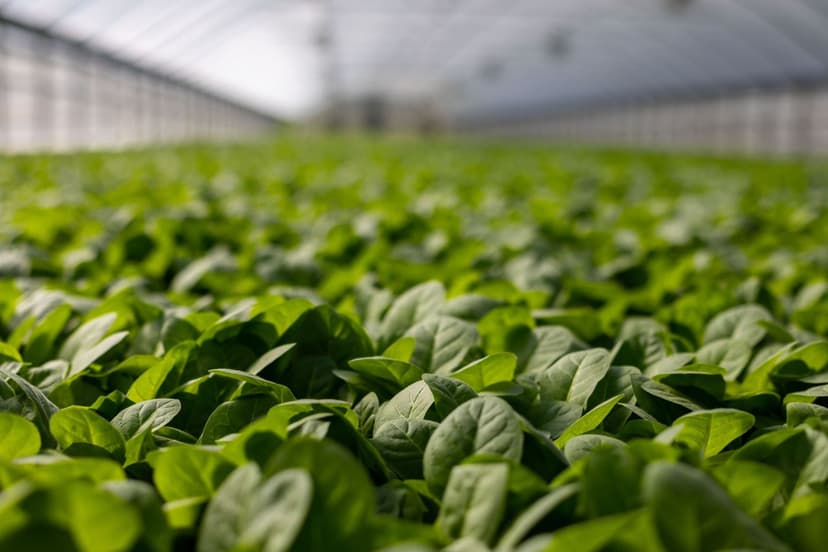
The application of bioprotectants in tropical fruit crops significantly contributes to plant health. These products act through various mechanisms, such as inducing natural defenses in plants. Agronomic studies have shown that the use of bioprotectants can improve plant resistance to biotic and abiotic stress factors, promoting more robust and healthy development.
One of the most notable benefits is the ability of bioprotectants to reduce the incidence of fungal and bacterial diseases. By strengthening the immune system of plants, these products allow crops to remain healthy, resulting in lower economic losses for farmers.
Mechanisms of action
Bioprotectants can act in several ways: inhibiting pathogen growth, promoting the colonization of beneficial microorganisms in the roots, and improving nutrient uptake. The use of these products not only addresses pest issues but also optimizes resource use, which is essential in a context where sustainability is a priority.
The mechanisms of action of bioprotectants can be classified into three main categories: competitive action, antibiotic action, and induced action. In competitive action, bioprotectants occupy ecological niches that would otherwise be available to pathogens, thereby reducing their colonization capacity. For example, in the case of root rot disease in pineapple crops, the application of Trichoderma spp. has been shown to effectively compete with the pathogenic fungus, reducing its incidence by up to 60%.
Antibiotic action refers to the production of compounds that directly inhibit pathogens. A study conducted on mango crops showed that the use of a bioprotectant based on Bacillus subtilis reduced the incidence of anthracnose by 40%, thanks to the production of secondary metabolites that act as antifungals.
Finally, induced action refers to the ability of bioprotectants to activate the plant's natural defenses through molecular signaling. This results in the production of secondary metabolites, such as phytoalexins, which help the plant resist infections. In a study on papaya, the use of a seaweed extract was observed to induce the production of these phytoalexins, improving disease resistance by up to 30%.
Interaction with the soil microbiome
Bioprotectants also play a crucial role in interacting with the soil microbiome, which is fundamental for crop health. These beneficial microorganisms can improve soil structure, increase nutrient availability, and promote biological activity in the substrate. For example, the incorporation of rhizobacteria such as Pseudomonas fluorescens not only improves root growth but also promotes the production of growth hormones that can increase overall plant yield.
Furthermore, the application of bioprotectants has been observed to help restore the balance of the soil microbiome, which can be affected by the excessive use of agrochemicals. A study on banana crops demonstrated that the use of a bioprotectant based on beneficial microorganisms increased microbial diversity in the soil, resulting in better plant health and greater disease resistance.
Impact on agricultural productivity
The implementation of bioprotectants in tropical fruit crops not only improves plant health but also has a positive impact on productivity. Farmers who use bioprotectants report significant improvements in the quality and quantity of their harvests. This is because reducing plant stress promotes more uniform growth and improves the quality of the harvested fruit.
Furthermore, by reducing the need for chemical treatments, bioprotectants contribute to cleaner and more environmentally friendly production. This can increase the market competitiveness of products, as consumers are increasingly aware of the importance of choosing sustainable products free from chemical residues.
Case Studies
Various field trials have demonstrated the effectiveness of bioprotectants in tropical fruit crops. In recent studies, an increase in the yield of crops such as mango and papaya has been observed, where the application of bioprotectants has enabled greater production of healthy, high-quality fruit. For example, a trial conducted on mango farms in the state of Veracruz, Mexico, showed that the application of bioprotectants based on beneficial microorganisms increased fruit production by 25% compared to crops treated only with conventional agrochemicals.
Another study on papaya crops in Brazil showed that the use of a bioprotectant derived from plant extracts not only improved disease resistance but also increased the average fruit size by 15%, thereby increasing its market value. These results highlight the importance of bioprotectants in improving the quality of agricultural products and their potential to increase farmers' incomes.
Comparison with Conventional Methods
A comparative analysis between the use of bioprotectants and conventional methods for pest and disease control in tropical fruit crops reveals significant differences in terms of efficacy and sustainability. Studies have shown that the application of bioprotectants can result in 30-50% less disease incidence compared to chemical treatments. Additionally, while conventional pesticides can cause adverse effects on the environment and human health, bioprotectants are generally safe and biodegradable, making them a preferable option for farmers seeking more sustainable practices.
For example, a study conducted on guava crops in Colombia showed that the use of bioprotectants based on plant extracts reduced pest incidence by 45% compared to the use of chemical insecticides. This not only improved crop health but also resulted in lower production costs, as the need for frequent chemical applications was reduced.
Effective Implementation of Bioprotectants
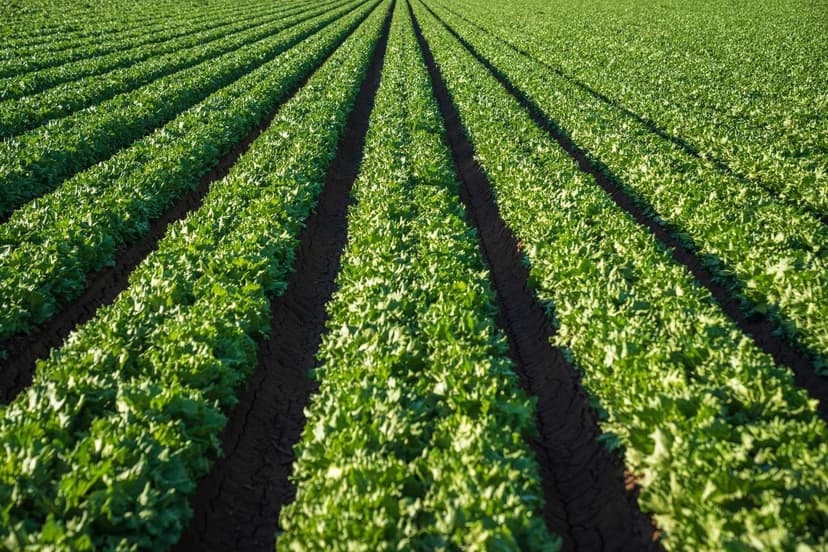
To ensure the effectiveness of bioprotectants, proper implementation is crucial. This includes selecting the right product, timing of application, and environmental conditions. Farmers should be trained on best practices to maximize the benefits of these products.
Proper planning and monitoring are essential. It is recommended to conduct soil and plant analyses to determine the specific needs of each crop, allowing for more precise and effective adjustments to bioprotectant applications. Additionally, rotating bioprotectants can be an effective strategy to prevent pathogen resistance and ensure continuous protection. For example, alternating between different strains of Bacillus and Trichoderma within the same crop cycle can maximize benefits and reduce reliance on a single product.
Practical recommendations
- Conduct periodic crop assessments to identify signs of stress or pests.
- Consult with agronomy experts on selecting the most suitable bioprotectants for each crop type.
- Establish an application schedule that considers the climatic and physiological conditions of the plants.
- Implement integrated pest management (IPM) practices, combining bioprotectants with other biological and cultural control strategies.
- Record and monitor the results of bioprotectant applications to evaluate their effectiveness and adjust practices as needed.
Farmer training and education
It is essential that farmers receive training on the use of bioprotectants, as their correct application can maximize benefits and minimize errors that could harm the crop. Training programs may include practical workshops on pest identification, soil microbiome management, and interpretation of soil and plant analysis results.
A practical case in this regard can be observed in several agricultural cooperatives in Costa Rica, where education programs on the use of bioprotectants have been implemented. These programs have resulted in a 20% increase in the adoption of bioprotectants among local farmers, leading to a significant rise in tropical fruit production and a reduction in the use of agrochemicals.
Monitoring results and adjusting the strategy
Constant monitoring of results after bioprotectant application is essential for adjusting management strategies. Farmers should keep records of climatic conditions, plant health, and the incidence of pests and diseases. This type of information allows for real-time adjustments and optimization of bioprotectant use.
In a study conducted on pineapple crops in the Philippines, a monitoring system was implemented that allowed farmers to adjust bioprotectant applications based on weather conditions and pest development. As a result, a 35% reduction in disease incidence was achieved, which not only improved crop health but also increased overall harvest yield.
Related Articles
- Effect of Biostimulants on Olive Yield
- Luxury Renovations: Acoustics and Insulation in Premium Homes
- Nitrogen and Seaweed Extracts: Synergy in Agriculture
Need Professional Help?
At Ecoganic in Spain, Europe, we offer certified Biostimulants and Organic Fertilizers. Call us: +34 623 753 719.
Conclusions and Future Perspectives
Bioprotectants represent a promising alternative for sustainable agriculture, especially in the cultivation of tropical fruits. Their ability to improve plant health, increase productivity, and reduce environmental impact makes them an essential tool in the fight against pests and diseases. As the demand for sustainable agricultural products continues to grow, bioprotectants are likely to play an increasingly important role in global agriculture.
Future research should focus on developing new bioprotectants from natural sources, as well as optimizing existing formulations to improve their efficacy. Additionally, it is crucial to foster collaboration among farmers, researchers, and companies to ensure that knowledge about bioprotectants is shared and effectively implemented in the field.
The integration of bioprotectants into sustainable agricultural systems will not only benefit producers but also contribute to environmental health and global food security. With a continued focus on research and education, bioprotectants have the potential to transform the way we cultivate tropical fruits, promoting a more sustainable future for agriculture.
Additional Benefits of Bioprotectants
In addition to the benefits mentioned above, bioprotectants offer other important advantages in the context of sustainable agriculture. These include improved soil quality, reduced erosion, and the promotion of biodiversity. By stimulating microbial activity in the soil, bioprotectants contribute to humus formation, which enhances water and nutrient retention.
For example, a study in cocoa plantations in Ecuador showed that the application of a bioprotectant based on mycorrhizal fungi not only increased plant resistance to diseases but also improved soil structure, resulting in greater microbial biodiversity and a 25% reduction in erosion.
Development of bioprotectants from agricultural residues
A promising field of research is the development of bioprotectants from agricultural residues. This approach not only helps reduce waste but also provides a sustainable source of raw materials for bioprotectant production. For instance, the use of residues from the sugarcane industry has been investigated for producing bioprotectants that act against specific pathogens in tropical fruit crops, showing efficacy comparable to traditional commercial products.
A recent study demonstrated that fermenting sugarcane residues with Trichoderma spp. strains resulted in a bioprotectant that reduced the incidence of fungal diseases by 50% in pineapple crops, highlighting the potential of this approach for agricultural sustainability.
Future of bioprotectants in global agriculture
With increasing pressure to reduce agrochemical use and improve agricultural sustainability, the use of bioprotectants is expected to continue growing worldwide. Research and development in this field are advancing rapidly, with a growing number of companies focused on producing innovative and effective bioprotectants. It is anticipated that in the coming years, bioprotectants will not only be integrated into conventional agriculture but will also become a fundamental part of precision agriculture, where they will be used in combination with advanced crop monitoring and management technologies.
The importance of ongoing research
Ongoing research is essential to maximize the potential of bioprotectants. This includes not only the development of new products but also studies on the efficacy of different bioprotectant combinations and their interaction with other biological control methods. Recent research has indicated that combining bioprotectants with sustainable agricultural practices, such as crop rotation and the use of cover crops, can result in synergies that further enhance soil health and crop productivity.
For example, rotating tropical fruit crops with legumes has been shown to increase the effectiveness of bioprotectants by improving soil nitrogen content and, consequently, overall plant health. A study on mango farms in India found that combining bioprotectants with legume rotation increased yield by 30% compared to using bioprotectants alone.
Conclusions on the use of bioprotectants
Bioprotectants are a valuable tool in modern agriculture, providing sustainable solutions for pest and disease management in tropical fruit crops. As farmers and the agricultural industry continue to seek more sustainable alternatives, the adoption of bioprotectants is likely to expand. Collaboration among researchers, agronomists, and farmers will be key to effectively implementing these innovations, ensuring that the benefits of bioprotectants are maximized in the field.
Market outlook and sustainability
The growing interest in bioprotectants is also reflected in the global market, where demand for organic and sustainable agricultural products is expected to continue rising. According to a 2022 market report, the bioprotectant sector is projected to grow at a compound annual rate of 14% until 2027, driven by increasing consumer awareness of food safety and environmental sustainability. This represents a significant opportunity for farmers who adopt these technologies, as they can access premium markets and improve their profit margins.
Furthermore, the use of bioprotectants can contribute to organic product certification, allowing farmers to access an expanding market segment that prioritizes sustainability. Implementing bioprotectants not only improves agricultural production but also strengthens farmers' brand and reputation in a market that increasingly values environmental responsibility.
Related articles
- Ecoganic
- Luxury renovations: acoustics and insulation in premium homes
- Nitrogen and Seaweed Extracts: Synergy in Agriculture
Frequently Asked Questions
What are bioprotectants?
Bioprotectants are products based on natural extracts and microorganisms that help protect crops from pests and diseases, improving their overall health.
How are bioprotectants applied to crops?
Bioprotectants can be applied through foliar spraying or soil application, depending on the type of product and the crop.
Are bioprotectants effective against all pests?
Bioprotectants have a broader approach, primarily acting on specific pathogens, but their effectiveness may vary depending on conditions and the type of pest.
Can bioprotectants completely replace pesticides?
While bioprotectants are an excellent tool in crop management, in some cases they may be complemented with other control methods to ensure comprehensive protection.
How can I know which bioprotectant is suitable for my crops?
It is advisable to consult with agronomy specialists who can perform a proper diagnosis and recommend the most effective bioprotectant for each specific situation.