

Discover the benefits of biostimulants in European agricultural services and improve your production. Contact us for more information and advice!
Introduction
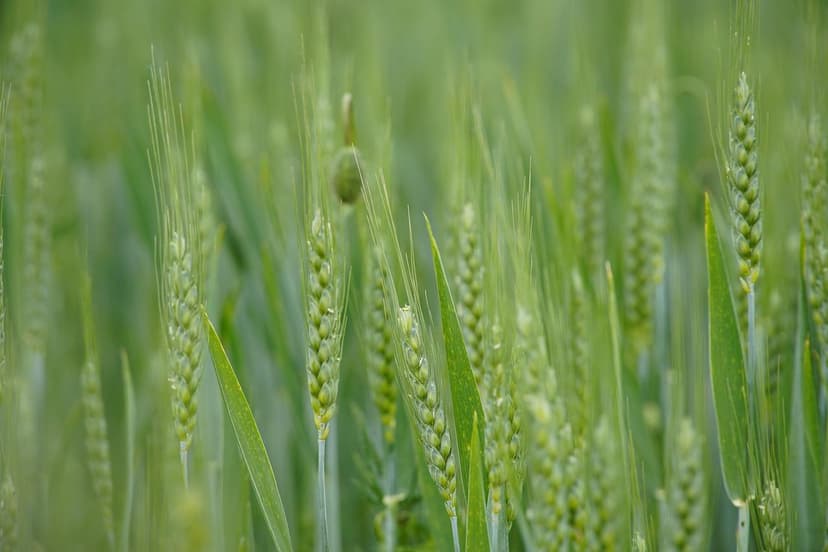
Nowadays, the use of biostimulants in European agriculture has become an essential practice to improve crop productivity and sustainability. These natural products are developed from plant extracts, microorganisms, and bioactive compounds, and are designed to enhance plant growth and health. In this article, we will explore the benefits of biostimulants in European agricultural services and how they can contribute to a more sustainable agricultural future.
Improvement of Nutritional Efficiency

One of the main benefits of biostimulants is their ability to improve the nutritional efficiency of crops. These products act by facilitating the absorption of essential nutrients in the soil, resulting in more effective use of fertilizers. Agronomic studies have shown that the application of biostimulants can increase the availability of nutrients such as nitrogen, phosphorus, and potassium, which is crucial for optimal plant development. Additionally, biostimulants can help improve crop quality, as detailed in the article on biostimulants for olive oil quality and irrigation in berries.
Biochemical Mechanisms of Action
Biostimulants act through various biochemical mechanisms. For example, many of them promote the activity of beneficial microorganisms in the soil that facilitate nutrient mineralization. A study conducted by Wageningen University showed that the application of a seaweed extract-based biostimulant increased soil microorganism activity by 30%, resulting in greater phosphorus availability for plants. Additionally, biostimulants have been shown to activate cellular signaling pathways in plants, which in turn improves nutrient uptake through the creation of new roots and the expansion of the root system.
Practical Examples in the Field
In field trials conducted on tomato crops, it was observed that the application of an amino acid-based biostimulant increased nitrogen uptake by 25%. This increase translated into a 15% boost in crop yield, demonstrating how biostimulants can optimize resource use and improve productivity. For example, in a greenhouse cucumber crop, the introduction of a seaweed extract-based biostimulant resulted in a 20% increase in chlorophyll content, which improved photosynthesis and, consequently, the overall crop yield.
Furthermore, biostimulants can help improve crop quality. In a study with strawberry crops, it was found that the use of a mycorrhizal fungi extract-based biostimulant increased the sugar and antioxidant content in the fruits, making them more attractive to consumers. In another trial with apples, the use of a plant protein-based biostimulant demonstrated a 30% increase in fruit firmness, which translated into better postharvest shelf life.
Impact on Soil Microbiology
Biostimulants also influence soil microbiology, creating a more favorable environment for the development of healthy plants. The introduction of beneficial microorganisms, such as phosphorus-solubilizing bacteria, can increase the availability of this critical nutrient. Studies have shown that the application of biostimulants rich in these microorganisms can increase the concentration of available phosphorus in the soil by up to 50%. This is particularly relevant in soils with high phosphorus fixation, where the availability of this nutrient is limited.
Interaction with Chemical Fertilization
The combination of biostimulants with chemical fertilizers has proven effective in maximizing crop yields. In a study on rice crops, it was observed that applying a biostimulant together with nitrogen fertilizers increased nitrogen use efficiency by 35%, resulting in a 20% yield increase compared to using fertilizers alone. This suggests that biostimulants can act synergistically with fertilizers, allowing farmers to reduce the amount of chemical inputs needed.
Increased Stress Tolerance
Biostimulants also play a fundamental role in increasing stress tolerance in plants. Adverse conditions such as droughts, extreme temperatures, and diseases can severely affect crop yields. However, the use of biostimulants can enhance plant resistance to these stress factors.
Production of Secondary Metabolites
For example, some studies have indicated that biostimulants can increase the production of secondary metabolites in plants, which act as defense mechanisms against pathogens and adverse environmental conditions. A study on onion crops revealed that the use of a specific biostimulant increased flavonoid concentration by 40%, improving resistance to diseases such as downy mildew. This increase in secondary metabolite production not only protects plants but can also result in higher quality harvested products, as many of these compounds are valued for their antioxidant properties and benefits to human health.
Success Stories Under Stress Conditions
Under drought conditions, the application of biostimulants based on earthworm humus extracts has been shown to improve soil water retention and increase plant resistance to water stress. In a trial conducted on maize crops, it was observed that plants treated with this biostimulant showed a 20% increase in biomass compared to untreated plants, even under severe water stress conditions. Similarly, in rice crops, the application of a microorganism-based biostimulant increased seedling survival rate by 35% under flooding conditions, demonstrating the versatility of these products in different agricultural contexts.
Improved Response to Biotic Stress
Biostimulants have also proven effective in mitigating the effects of biotic stress, such as pest and disease attacks. A study on tomato crops revealed that the application of a biostimulant
Ecoganic products for this topic
BOOST UNIVERSAL SALINITY
Total calcium (CaO)
0,150 % (p/p) / 0,151 % (p/v)
Chloride: < 0,05 % (measured)
View technical sheet →MICRO PLUS 1-0-0
Total nitrogen (N)
1,013 % (measured)
Chloride: 0,183 % (measured)
View technical sheet →NITROTECH 8
Total nitrogen (N)
≥ 8 %
Each datasheet publishes its guaranteed composition and, where available, the value measured at an accredited laboratory.
Related resources