

Introduction

Avocado cultivation has experienced significant growth in recent years, especially in regions of Latin America. However, producers face challenges such as water stress in olive trees, climate variability, and the need to optimize input use. In this context, biostimulants emerge as a viable alternative to increase avocado production, improving nutritional efficiency and tolerance to water stress in olive trees. In this article, we will explore how biostimulants can transform avocado production, providing sustainable and scientifically grounded solutions.
Biochemical Mechanisms of Action
Biostimulants operate through multiple physiological pathways that go beyond conventional nutrition. Below are the main mechanisms of action:
- Improved nutrient uptake: They facilitate the absorption and internal transport of nutrients, optimizing the use of applied fertilizers. An increase in nitrogen uptake of up to 25% and phosphorus uptake of up to 30% has been documented.
- Metabolism stimulation: They act as catalysts in growth processes, cell division, and hormone production.
- Protection against oxidative stress: They activate antioxidant defense pathways, generating enzymes that protect cells from the harmful effects of reactive oxygen species.
- Osmotic regulation: Compounds such as glycine betaine help maintain cellular osmotic balance, increasing resistance to water and thermal stress.
Identified molecular mechanisms
- Activation of membrane transporters
- Increase in enzymatic activity
- Hormonal modulation
- Interaction with beneficial microbiota
Impact on plant physiology
The use of biostimulants not only affects nutrient uptake but also influences overall plant growth. For example, seaweed extracts have been shown to increase the production of phytohormones, which in turn improves root formation and flower production. In a study conducted in Mexico, avocado plants treated with biostimulants showed a 15% increase in flower production compared to a control group.
Studies on the mechanisms of action of biostimulants
Recent research has shown that biostimulants can induce the expression of genes related to stress tolerance. For instance, a study published in the Journal of Plant Growth Regulation found that applying an amino acid-based biostimulant to avocados increased the expression of genes encoding heat shock proteins, resulting in greater resistance to extreme temperatures.
Interaction with soil microbiota
Biostimulants can also influence the soil microbiota, promoting the establishment of beneficial microbial communities. A study on avocados showed that applying microorganism-based biostimulants improved soil microbial diversity and increased the activity of nitrogen-fixing bacteria, contributing to better plant nutrition. This symbiotic interaction is crucial for root development and nutrient uptake, especially in low-fertility soils.
Main Biostimulant Compounds
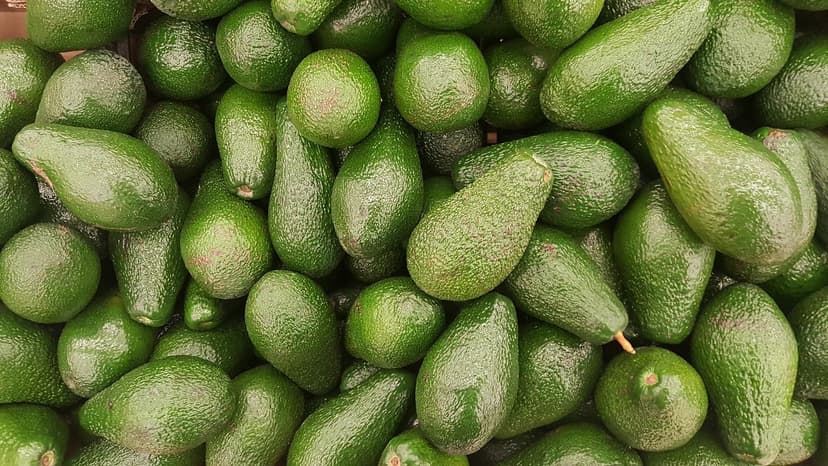
Several biostimulant compounds have proven effective in avocado cultivation:
- Seaweed extracts: Contain phytohormones such as auxins and cytokinins, as well as trace elements and vitamins that promote plant growth and development.
- Amino acids and peptides: Act as hormonal precursors and osmotic regulators, improving root development and micronutrient uptake.
- Humic and fulvic acids: Improve soil structure, increasing water retention and nutrient availability. These compounds can also stimulate microbial activity, resulting in a better environment for root development.
- Beneficial microorganisms: Certain microorganisms, such as beneficial bacteria and fungi, have been shown to improve nutrient availability and increase plant resistance to abiotic stress.
Examples of biostimulant application in avocado cultivation
A case study in Chile showed that applying seaweed extracts to avocados increased yield by 20% compared to a conventional treatment. In this study, growers applied the biostimulant during key growth stages, resulting in a higher number of fruits and improved fruit size. Additionally, treated avocados were found to have a better nutrient profile, with a 15% increase in the concentration of healthy fatty acids.
Comparative efficacy of different biostimulants
A comparative study conducted at the University of California revealed that seaweed-based biostimulants outperformed amino acid-based ones in terms of fruit production. While amino acid treatments showed a 10% increase in yield, seaweed extracts achieved a 25% increase. This difference is attributed to the ability of seaweeds to activate multiple metabolic pathways simultaneously.
Application Strategy by Critical Stages
An integrated program for applying biostimulants to avocados should consider the following critical stages:
| Stage | Objective | Product | Function |
|---|---|---|---|
| Start of flowering | Stimulate flower differentiation and increase flower number | Formulations with high concentration of free amino acids | Activate reproductive metabolic pathways |
| Fruit growth | Ensure potassium and improve quality | Biostimulants with bioactive potassium | Improve fruit color, firmness, and size |
| Continuous nutritional base | Guarantee availability of essential nutrients | Drippex or equivalents | Constant nutritional support |
Application under different climatic conditions
In arid areas, such as northern Peru, a biostimulant program has been implemented that has shown a positive impact on avocado production. In this case, amino acids and seaweed extracts were applied under drought conditions, resulting in a 30% increase in resistance to water stress. This is crucial in regions where water availability is a recurring problem. Additionally, in a trial conducted in the Ica region, it was observed that combining biostimulants with drip irrigation improved water use efficiency by 40%.
Importance of timing in application
The timing of biostimulant application
Ecoganic products for this topic
NITROTECH 2.5
Total nitrogen (N)
≥ 2,5 %
K-FLOW 20
Potassium oxide (K₂O)
23,21 % p/p (measured)
Chloride: 3,23 % (measured)
View technical sheet →PHOSMAX 20
Phosphorus pentoxide (P₂O₅)
18,9 % p/p (measured)
Chloride: < 0,05 % (measured)
View technical sheet →Each datasheet publishes its guaranteed composition and, where available, the value measured at an accredited laboratory.
Related resources