

Compare unicellular algae and seaweed as biostimulants. Learn their benefits for sustainable agriculture. Contact us for more information!
Introduction
Unicellular algae and seaweed are two types of biostimulants that have gained popularity in sustainable agriculture. Both types of algae have unique properties that can improve crop productivity, but there are significant differences between them that can influence their application and effectiveness. In this article, we will analyze the characteristics of each type of algae and their applications in agriculture.
Differences between unicellular algae and seaweed
Unicellular algae
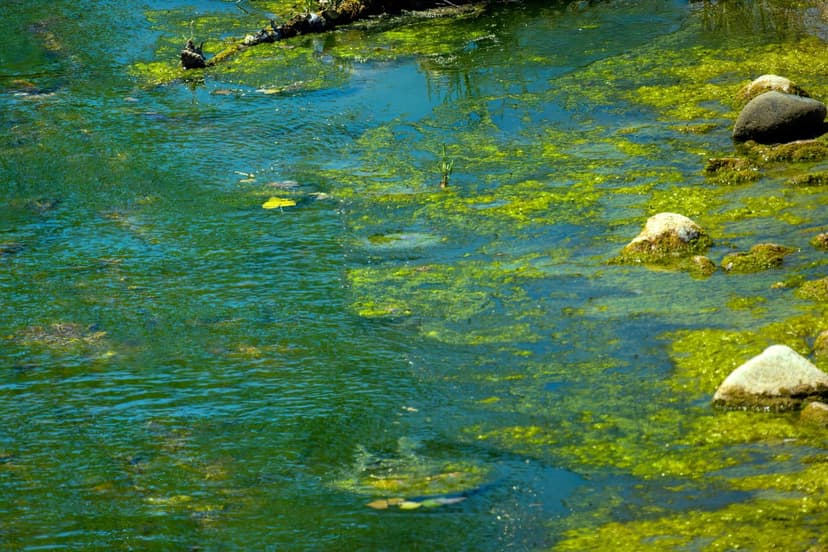
Unicellular algae, such as Chlorella and Spirulina, are photosynthetic microorganisms that thrive in aquatic environments. These algae are rich in nutrients, such as proteins, vitamins, and minerals, and are used in biostimulants for their bioactive properties. Their ability to improve soil and plant health lies in their content of amino acids and phytohormones that stimulate growth. Studies have shown that the application of Chlorella can increase biomass production in tomato crops by 20-30% compared to untreated crops. Additionally, their high chlorophyll and carotenoid content also contributes to efficient photosynthesis, improving energy production in plants.
Chemical composition and properties
Unicellular algae contain an exceptional nutritional profile, with a protein content that can reach up to 60-70% of their dry weight. This makes them a valuable source of nutrients for crops. Additionally, they are rich in omega-3 fatty acids, antioxidants, and phytonutrients that have positive effects on plant health. Spirulina, in particular, contains phycocyanin, a pigment that not only acts as an antioxidant but can also help plants resist oxidative stress. In terms of phytohormones, these algae are a natural source of auxins, gibberellins, and cytokinins, which are essential for regulating plant growth and development. A study published in the "Journal of Applied Phycology" demonstrated that the application of Chlorella extracts can increase protein synthesis in plants by up to 25%.
Seaweeds
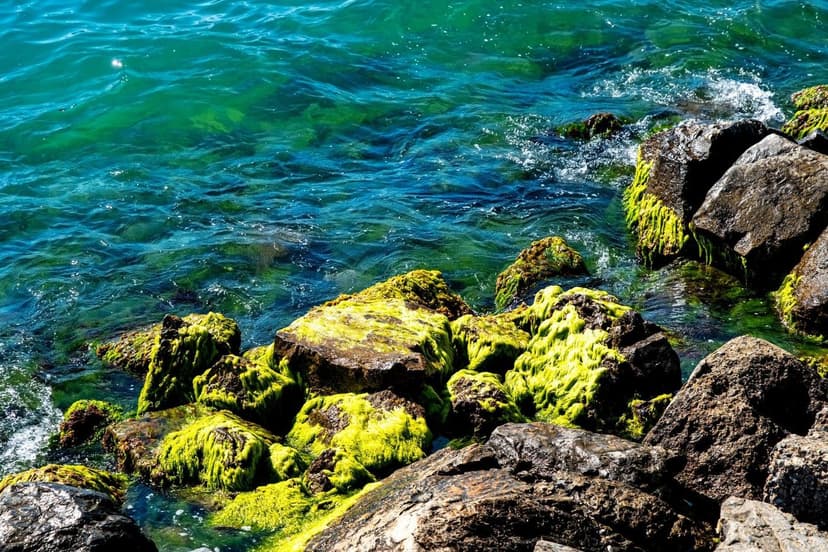
Seaweeds, such as kelp and fucus, are multicellular organisms that grow in marine environments. These seaweeds are known for their high mineral content, especially iodine, and bioactive substances such as alginates and fucoidan. Biostimulants based on seaweeds are used to improve disease and stress resistance in plants, as well as to enhance crop quality. Research has shown that the use of kelp extracts can increase resistance to fungal diseases in pepper crops, reducing disease incidence by 40% under field conditions. Furthermore, the alginates present in these seaweeds help form a gel that improves water retention in the soil, which is crucial in areas with water scarcity. A study in "Agricultural Sciences in China" indicated that the application of fucus can increase nitrogen uptake by 50% in rice crops.
Chemical composition and properties
Seaweeds are rich in trace minerals, such as calcium, magnesium, iron, and potassium, which are essential for plant growth. Additionally, polysaccharides like alginate and fucoidan not only have gelling properties but also act as biostimulant agents that promote root growth and improve nutrient uptake. A study conducted by the University of California showed that the application of kelp extracts can increase root growth by 25%, resulting in a greater capacity for water and nutrient absorption. Moreover, bioactive compounds in seaweeds can induce the production of phytoalexins in plants, which are compounds that help combat pathogens.
Comparison of mechanisms of action
The mechanisms of action of unicellular and marine algae are distinct, which influences their specific applications. Unicellular algae, through the production of phytohormones, promote faster growth and greater resistance to environmental stress. On the other hand, marine algae act primarily by improving soil structure and nutrient availability, as well as activating plants' natural defenses. A comparative study in onion crops showed that the application of unicellular algae resulted in an 18% increase in plant height, while the use of marine algae improved soil quality, increasing moisture retention by 30%. Additionally, marine algae have been observed to activate the salicylic acid pathway in plants, contributing to systemic acquired resistance against diseases.
Applications in agriculture
Use of unicellular algae
Unicellular algae are commonly applied in agriculture as part of plant nutrition programs. Their high nutrient concentration allows for rapid absorption by plants, resulting in more vigorous growth and increased biomass production. Furthermore, these algae have been shown to improve soil microbial activity, which favors overall crop health. For example, in trials conducted on maize crops, the application of Spirulina resulted in a 25% increase in grain yield compared to control plots. This improvement is attributed not only to direct plant nutrition but also to the stimulation of beneficial soil microorganisms that promote nutrient uptake. Similarly, recent studies have indicated that incorporating Chlorella into growing substrates can increase microbial diversity by 40%, leading to better soil health.
Field application example
A practical example of the use of unicellular algae was observed in a study on a lettuce crop, where an extract of Chlorella was applied at a dose of 1.5 liters per hectare, resulting in a 30% increase in total harvest yield. Additionally, leaf quality improved significantly, showing a 15% increase in vitamin C content, indicating a positive effect on plant health and the nutritional value of the final product. Another study on cucumber crops demonstrated that applying Spirulina via drip irrigation increased fruit production by 20% and reduced the incidence of fungal diseases by 15% compared to the control.
Use of marine algae
Seaweeds, on the other hand, are primarily used to improve plant resistance to adverse conditions such as drought and diseases. Seaweed extracts can be applied foliarly or to the soil, and their effect translates into increased crop quality, especially in fruits and vegetables. Additionally, their ability to improve soil moisture retention is a key benefit in arid climates. A study conducted on strawberry crops showed that the application of fucus extracts improved fruit size by 15% and increased sugar concentration, resulting in better final product quality. The application of seaweeds has also been shown to increase salinity resistance in rice crops, where the use of kelp extracts reduced salt stress by 30%, allowing healthier growth in saline soils. In trials on onion crops, the application of kelp extract showed a 50% increase in bulb production under high salinity conditions.
Field application example
A notable case of seaweed application was carried out on tomato crops under drought conditions. Farmers applied a kelp extract at a rate of 2 liters per hectare, resulting in a 40% increase in fruit production compared to untreated crops. This increase was attributed to improved soil water retention and the activation of defense mechanisms in plants, allowing them to better tolerate water stress conditions. Additionally, a study on pepper crops revealed that applying fucus at a dose of 1 liter per hectare improved resistance to fungal diseases by 35%, leading to a reduction of up to 25% in the need for chemical fungicides.
Integration into cropping systems
The integration of microalgae and seaweeds into cropping systems can optimize agronomic results. For example, in a trial on onion crops, a combination of Chlorella and kelp extract was applied, resulting in a 35% overall yield increase, surpassing the results obtained by applying each type of algae separately. This synergy can be attributed to the combination of rapid nutrition from microalgae and the improvement in soil health and moisture retention provided by seaweeds. Likewise, alternating applications of both types of algae at different crop stages has been observed to maximize their effectiveness, as in the case of vegetable crops where Spirulina was applied at the beginning of the cycle and kelp during vegetative development, achieving a 45% increase in total productivity.
Benefits and disadvantages
Benefits of Unicellular Algae
- Rich in essential nutrients that promote growth.
- Stimulate soil microbial activity.
- Improve overall plant health.
- Increase biomass production in crops such as corn and tomato.
- Contribute to more efficient photosynthesis due to their high chlorophyll content.
Benefits of Seaweed
- Increase plant resistance to diseases and stress.
- Improve crop quality, especially fruits and vegetables.
- Help retain water in the soil.
- Reduce the incidence of diseases in crops exposed to pathogens.
- Enhance root growth, improving nutrient and water uptake.
Disadvantages
Despite their benefits, both types of algae have disadvantages. Unicellular algae, although rich in nutrients, can be more costly to produce and process. This is due to the need for controlled conditions for their cultivation, which increases operational costs. On the other hand, seaweed can contain high salinity, which may negatively affect certain crops if not used properly. In some cases, excessive use of seaweed extracts can lead to increased soil salinity, which can be harmful to sensitive crops. Therefore, it is essential to conduct a soil analysis before applying these biostimulants and adjust doses according to the specific conditions of the crop and environment. A study published in "Plant and Soil" suggests that excessive application of seaweed in already saline soils can increase salinity by 15-20%, which can be detrimental to crops such as tomato and lettuce.
Considerations in Agronomic Management
The agronomic management of algae-based biostimulants must consider factors such as crop growth stage, climatic conditions, and soil quality. For example, under water stress conditions, seaweed application may be more effective, while in early growth stages, unicellular algae can provide a crucial nutritional boost. Additionally, it is advisable to apply them at strategic times, such as before adverse weather events, to maximize the benefits of biostimulants. An analysis from Wageningen University suggests that applying seaweed just before a drought can improve plant resilience by 30%, while applying unicellular algae at the seedling stage can increase survival rates by 25%.
Conclusions
Unicellular algae and seaweeds are valuable biostimulants in sustainable agriculture, each with its own advantages and applications. The choice between one or the other will depend on the specific needs of the crops and soil conditions. For personalized advice on the use of biostimulants in your crops, feel free to contact us.
Related articles
Need professional help?
At Ecoganic in Spain, Europe, we offer certified Biostimulants and Organic Fertilizers. Call us: +34 623 753 719.
Future perspectives on the use of algae in agriculture
Interest in algae as biostimulants is constantly growing, and research in this field is expected to continue expanding. Innovations in biotechnology could enable the production of algae with optimized nutritional profiles, increasing their effectiveness as biostimulants. For example, recent studies are exploring the genetic modification of unicellular algae to increase their phytohormone content, which could result in even more effective applications in the field.
Research in phytoregulation
Phytoregulation is an emerging area that studies how algae can influence the regulation of plant growth and development. Research has shown that algae extracts can act as growth regulators, not only through the production of phytohormones but also by modifying the expression of growth-related genes. For instance, a study published in "Plant Growth Regulation" found that the application of kelp extracts can increase the expression of genes involved in root development, resulting in a more robust root system and better nutrient uptake.
Development of combined formulations
Combined formulations integrating unicellular and marine algae are a growing trend. These combinations can leverage synergies between different types of algae, enhancing their positive effects on crops. A recent study showed that a mixture of Chlorella and kelp extracts not only improves plant growth but also increases disease resistance, providing a more holistic approach to crop management. Additionally, these formulations can be more efficient in resource utilization, reducing the need for chemical inputs and improving sustainability.
Impact on agricultural sustainability
The use of algae as biostimulants contributes to agricultural sustainability by reducing dependence on synthetic fertilizers and pesticides. By improving soil health and plant resilience, algae can help farmers face climate change challenges such as droughts and floods. A 2021 study by the FAO highlighted that implementing algae-based biostimulants in agricultural systems could reduce chemical input application by 30%, promoting more sustainable and environmentally friendly practices.
Education and training for farmers
To maximize the potential of algae as biostimulants, it is essential to provide education and training to farmers. This includes information on best practices for algae application, interpretation of field results, and integration of these biostimulants into existing cropping systems. Training programs in collaboration with agricultural institutions and universities can help disseminate knowledge and encourage the adoption of these sustainable technologies in agriculture. A case study in Latin America showed that training farmers in the use of algae-based biostimulants increased the adoption of sustainable practices by 40% in just two years.
Related articles
- Ecoganic
- Biostimulants to Boost Sugarcane Production
- Sustainable Agriculture Strategies in the Americas
Frequently Asked Questions
What are the main differences between unicellular and marine algae?
Unicellular algae are nutrient-rich microorganisms, while marine algae are multicellular organisms known for their minerals and bioactive substances.
What benefits do unicellular algae offer in agriculture?
Unicellular algae improve plant growth, stimulate soil microbial activity, and provide essential nutrients.
In which situations are seaweed most effective?
Seaweed is effective for increasing resistance to diseases and stress in plants, as well as improving crop quality.
What is the best way to apply these biostimulants?
Unicellular algae can be applied as part of plant nutrition, while seaweed can be applied foliarly or to the soil.