

Freshwater unicellular algae are key to improving fruit set in your crops. Discover their benefits and boost agricultural productivity. Contact us!
Introduction
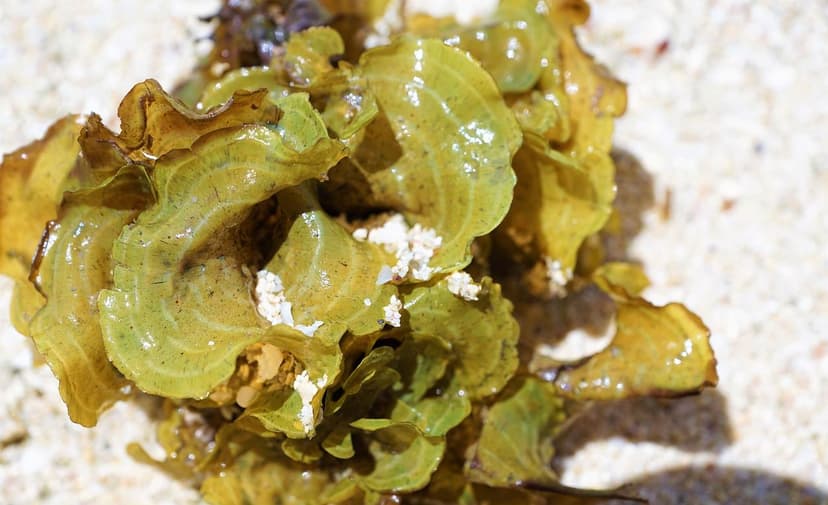
Freshwater unicellular algae have become a valuable resource in modern agriculture, especially for their ability to improve fruit set in various crops. This phenomenon is crucial for maximizing crop yield and quality. By using biostimulants, such as unicellular algae, farmers can optimize the efficiency of their agronomic practices, ensuring more robust plant development.
Benefits of Unicellular Algae

Unicellular algae offer multiple benefits that can be decisive in improving fruit set in crops. Some of these aspects are detailed below:
1. Stimulation of Root Development
The use of unicellular algae promotes healthier root growth. A strong root system allows for better absorption of nutrients and water, essential factors for proper fruit set development. Research has shown that applications of algae extracts can increase root length by 30% and root density by 25%, resulting in a significant improvement in plants' ability to access soil nutrients. Additionally, the presence of auxins and cytokinins in unicellular algae has been observed to stimulate cell division and root elongation, thus contributing to a more extensive and efficient root system.
For example, in a study conducted with corn crops under drought stress conditions, plants treated with unicellular algae showed a 40% increase in root length compared to the control. This led to improved water and nutrient absorption, which favored fruit set and crop yield.
2. Improved Stress Tolerance
Unicellular algae help plants adapt better to adverse conditions, such as droughts or nutrient-poor soils. This translates into more efficient fruit set, as plants can concentrate their resources on fruit formation. Studies have shown that the use of algae can reduce water loss in plants by 40%, thanks to improved soil structure and moisture retention. For example, in a study with maize crops, plants treated with algae showed a higher photosynthesis rate and a reduction in ethylene accumulation, which correlated with better grain production even under water stress conditions.
Similarly, in trials conducted on tomato crops, plants treated with algae were shown to have a higher concentration of solutes in their tissues, granting them greater resistance to dehydration. This is crucial in regions where droughts are frequent, as it allows farmers to obtain more consistent and higher-quality harvests.
3. Enhanced Nutritional Quality
The application of biostimulants, such as unicellular algae extracts, has been associated with an increase in fruit quality. This includes improvements in sugar and nutrient content, which is reflected in better fruit set and an increase in the commercial value of the harvest. For example, the use of algae has been observed to increase vitamin C content in fruits like citrus by 20% and improve fruit firmness due to higher pectin content. Likewise, research on strawberry crops has shown that algae treatment can increase the content of anthocyanins, compounds responsible for color and antioxidant properties, thereby improving the quality of the final product.
In a study conducted on watermelon crops, the use of unicellular algae was shown to increase soluble sugar content by 15%, resulting in better consumer acceptance. These types of results underscore the importance of algae in improving the nutritional and commercial profile of crops.
4. Disease Reduction
Unicellular algae also act as bioprotectants, helping plants resist diseases. A crop less affected by pathogens is more likely to maintain proper and healthy fruit set. Research has shown that algae applications can reduce the incidence of fungal diseases by 50%, contributing to better overall crop yield. A study conducted on tomato crops revealed that algae treatments reduced the incidence of diseases such as downy mildew by 60%, resulting in a significant increase in the production of healthy, high-quality fruit.
For example, in trials with grape crops, the use of algae was observed to reduce the incidence of Botrytis cinerea, a common fungal pathogen, by 45%. This not only improved plant health but also facilitated a more uniform fruit set, leading to a 30% increase in overall harvest quality.
Application in Fruit Set
The application of unicellular algae in agronomic management can be key to optimizing fruit set. Here are some practical strategies:
1. Timing of Application
It is essential to apply biostimulants at critical stages of crop development. The flowering stage is particularly relevant, as this is when plants require more resources to ensure good fruit set. Applying algae during this phase can increase the number of flowers that set fruit by 15-20%, resulting in higher fruit production. Furthermore, studies have shown that application at the onset of fruit formation can improve the fruit set rate by 25%, thus ensuring a more abundant harvest.
In a trial conducted on zucchini crops, it was determined that applying algae just before flowering resulted in an 18% increase in the number of set fruits compared to the control. These types of strategies allow farmers to maximize the yield and quality of their harvests. Additionally, the use of probiotics to improve soil in greenhouses can complement these practices.
2. Recommended Dosage
The dosage of unicellular algae should be adjusted according to the crop type and soil conditions. Preliminary trials are recommended to determine the optimal dosage that maximizes fruit set without negatively affecting the plant. Generally, dosages can range from 1 to 3 liters per hectare in foliar applications,
Ecoganic products for this topic
FULVEX 50S
Fulvic acids
50 % p/p
Chloride: 5,62 % (measured)
View technical sheet →NITROTECH 8
Total nitrogen (N)
≥ 8 %
UNIVERSAL POWER
Potassium oxide (K₂O)
1,19 % (measured)
Chloride: < 0,05 % (measured)
View technical sheet →Each datasheet publishes its guaranteed composition and, where available, the value measured at an accredited laboratory.
Related resources