Biostimulants for Olive Tree: Ecological Olive Growing and Premium Production
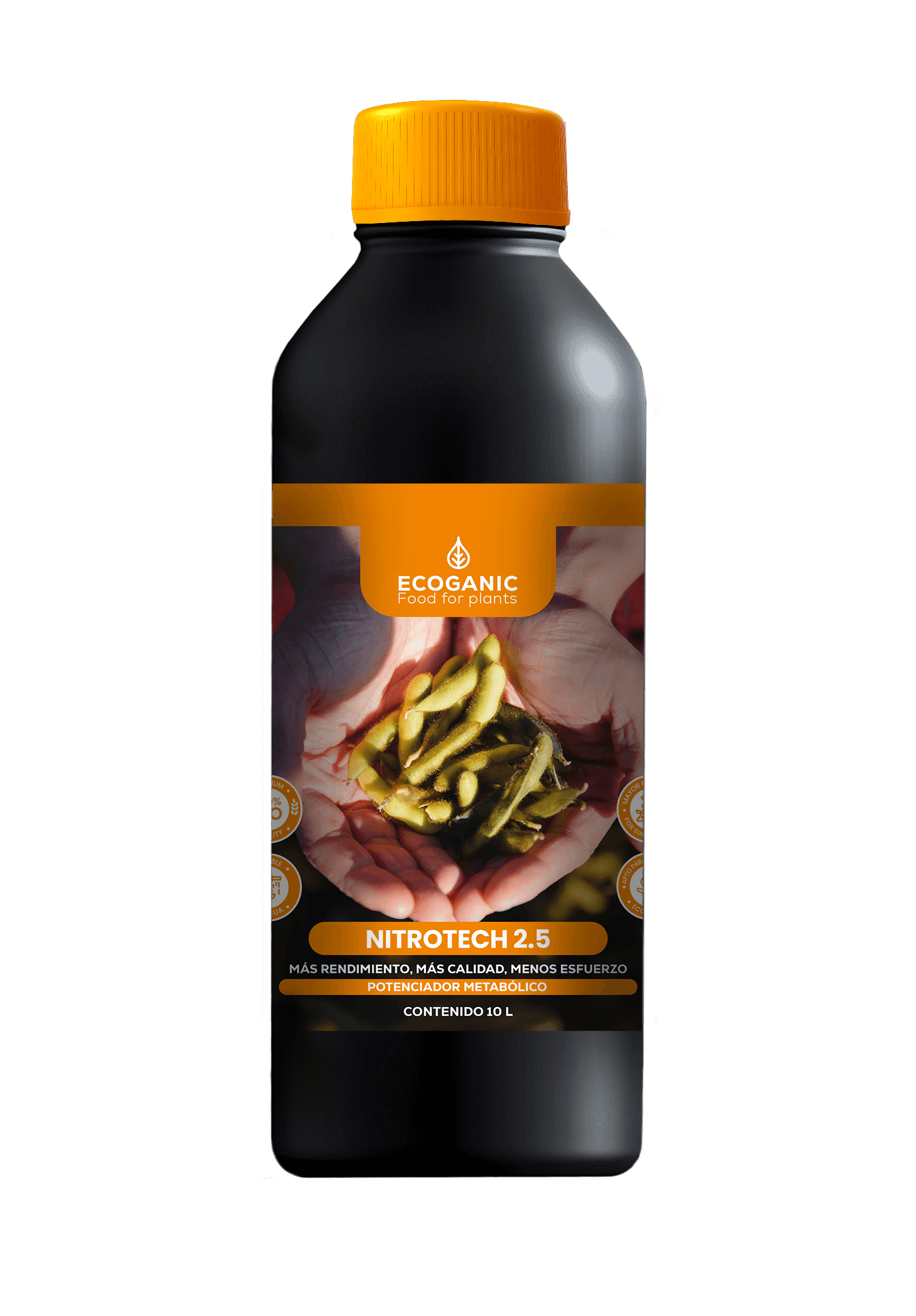
## Organic Olive Cultivation: Market and OpportunitiesOrganic olive cultivation is a booming sector offering significant opportunities in the global market. In Spain, a leading country in olive oil production, there are approximately 2.9 million hectares dedicated to olive cultivation, of which 20% are farmed using organic practices. This approach not only meets the growing demand for sustainable products but also allows for an increase in the price of organic Extra Virgin Olive Oil (EVOO), which can exceed its conventional counterparts by 40%.The main markets for organic EVOO include Germany, the United States, and Japan, countries that highly value sustainable agricultural practices and superior oil quality. Spain exports around 700,000 tonnes of oil annually, highlighting the importance of olive cultivation in the national agricultural economy. These markets offer organic EVOO producers opportunities for expansion and growth, supported by certified quality and environmentally friendly agricultural practices.## Biology and Phenology of the Olive TreeThe olive tree (Olea europaea) is a long-lived evergreen species, characterised by its biennial cycle and the phenomenon of alternate bearing, which involves alternating high and low productivity years. The olive tree requires between 200 and 400 chilling hours at temperatures below 7°C to ensure proper floral bud development.In the northern hemisphere, the phenology of the olive tree begins with flowering between May and June, followed by fruit set. The endocarp forms subsequently, followed by the olive’s growth during July and August. Fruit maturation extends from October to January, depending on the variety and climatic conditions.Among the most relevant commercial varieties in Spain is Picual, which accounts for about 50% of national production. Other important varieties include Hojiblanca, Arbequina, Manzanilla, Cornicabra, and Picudo. Each variety has specific characteristics that influence its cultivation requirements and the quality of the oil produced.## Major Challenges for Organic Olive GrowersOrganic olive cultivation faces several significant challenges, with alternate bearing being one of the most critical, where losses can range from 40% to 60% in low production years. Additionally, Verticillium dahliae, a fungus affecting olive trees, poses a constant threat as the use of chemical fungicides is prohibited in organic agriculture.The olive fruit fly (Bactrocera oleae) and olive knot (Pseudomonas savastanoi) are other pests and diseases that require integrated and sustainable management strategies. Premature fruit drop due to water stress in the summer months is another issue affecting production. In this context, biostimulants play a crucial role, enhancing plant resistance to abiotic stress and promoting more uniform and healthy development.## Ecoganic Biostimulant Programme for Olive TreesEcoganic offers a comprehensive biostimulant programme designed to address the specific needs of the olive tree at each stage of its phenological cycle. Below is a detailed table with product recommendations and dosages:
Phase
Period
Ecoganic Product
Dosage
Frequency
Objective
Spring Activation
January-February
Boost Universal
3 L/ha
Once
Stimulate vegetative awakening
Pre-flowering
March-April
Balance 7-7-7
5 L/ha
Every 15 days
Prepare for abundant flowering
Flowering
May
Universal Power OCC
4 cc/L
Weekly
Improve fruit set
Fruit Set
June
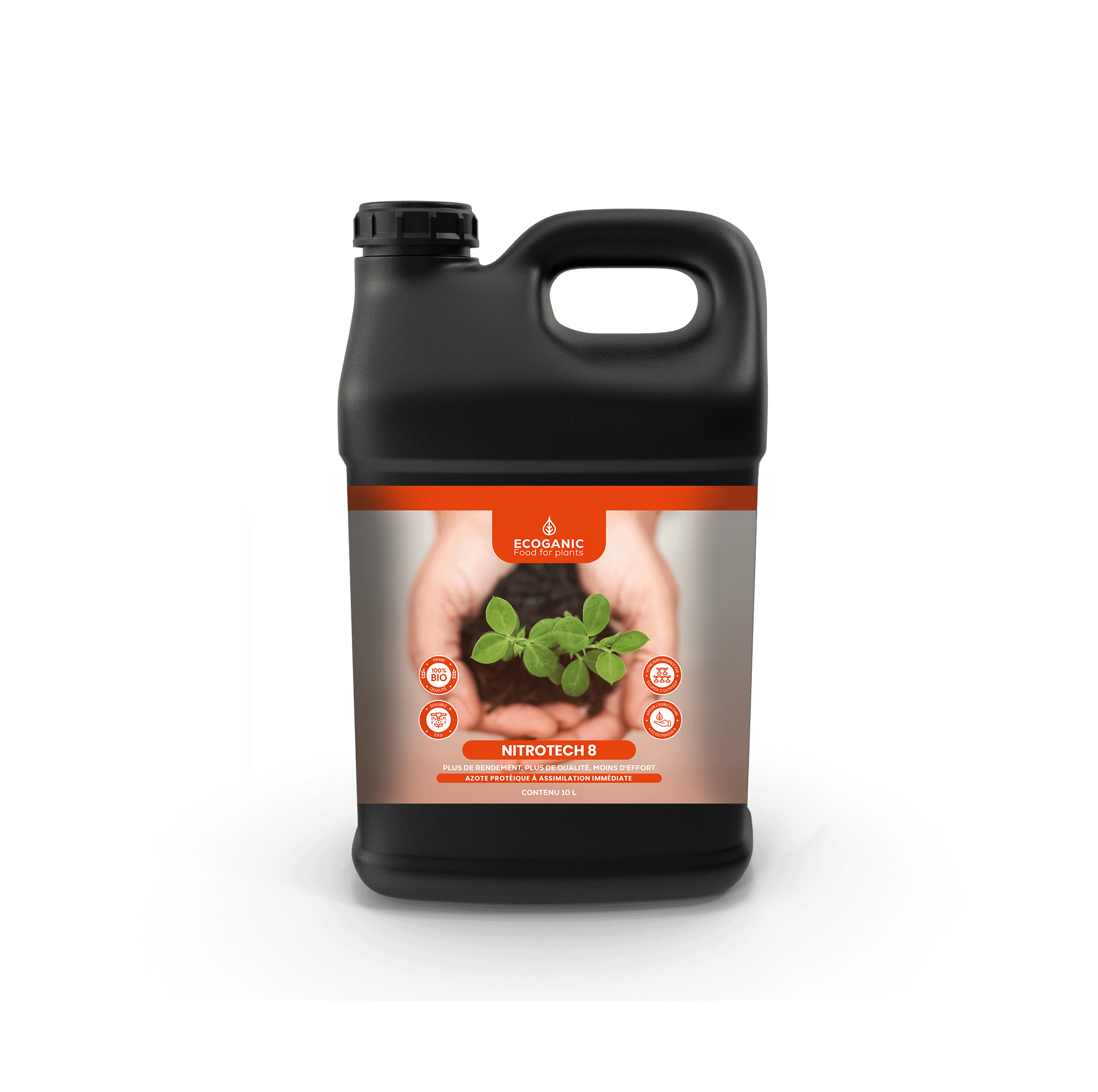
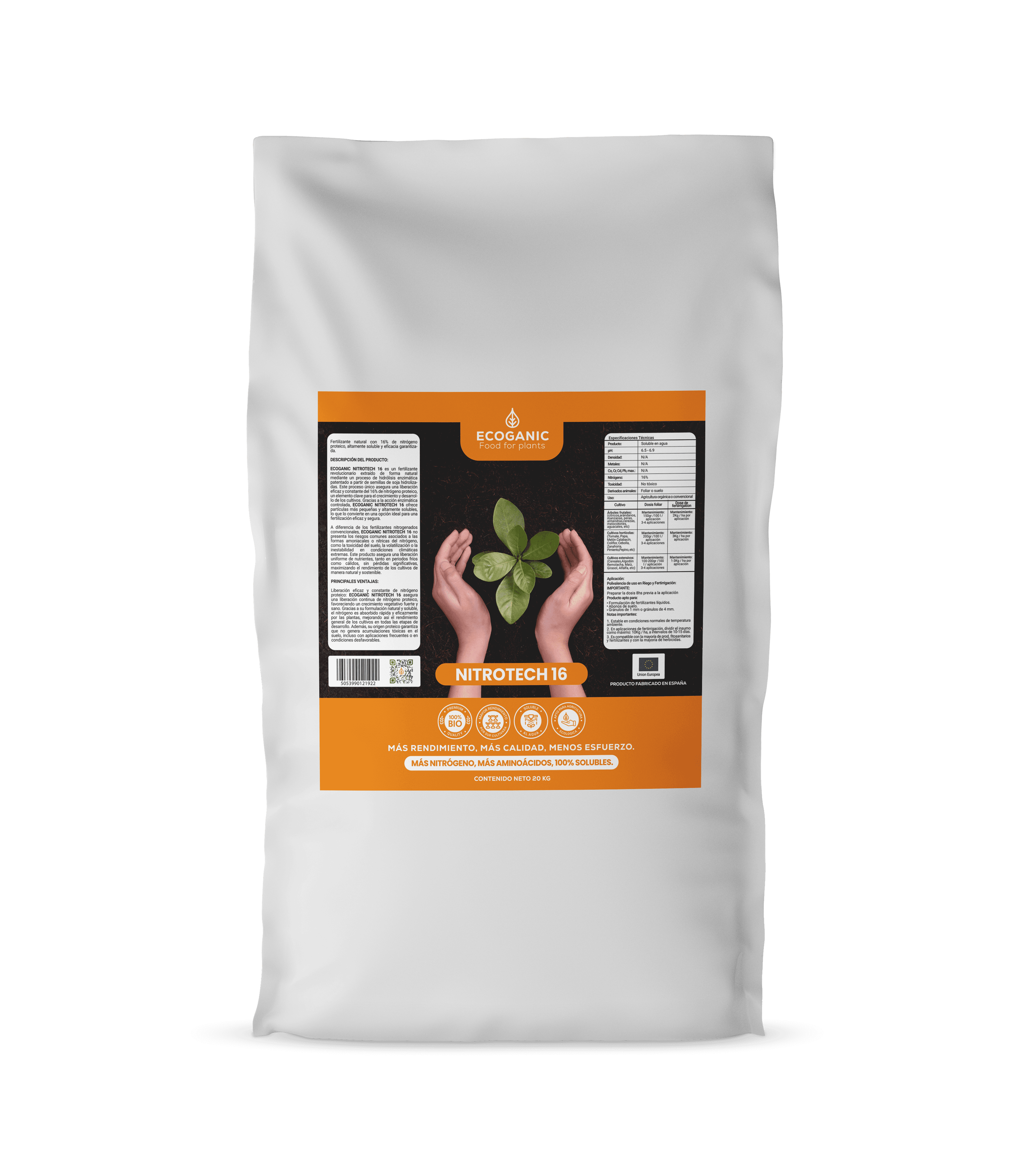
Nitrotech 16
3 L/ha
Once
Increase effective fruit set
Fruit Growth
July-August
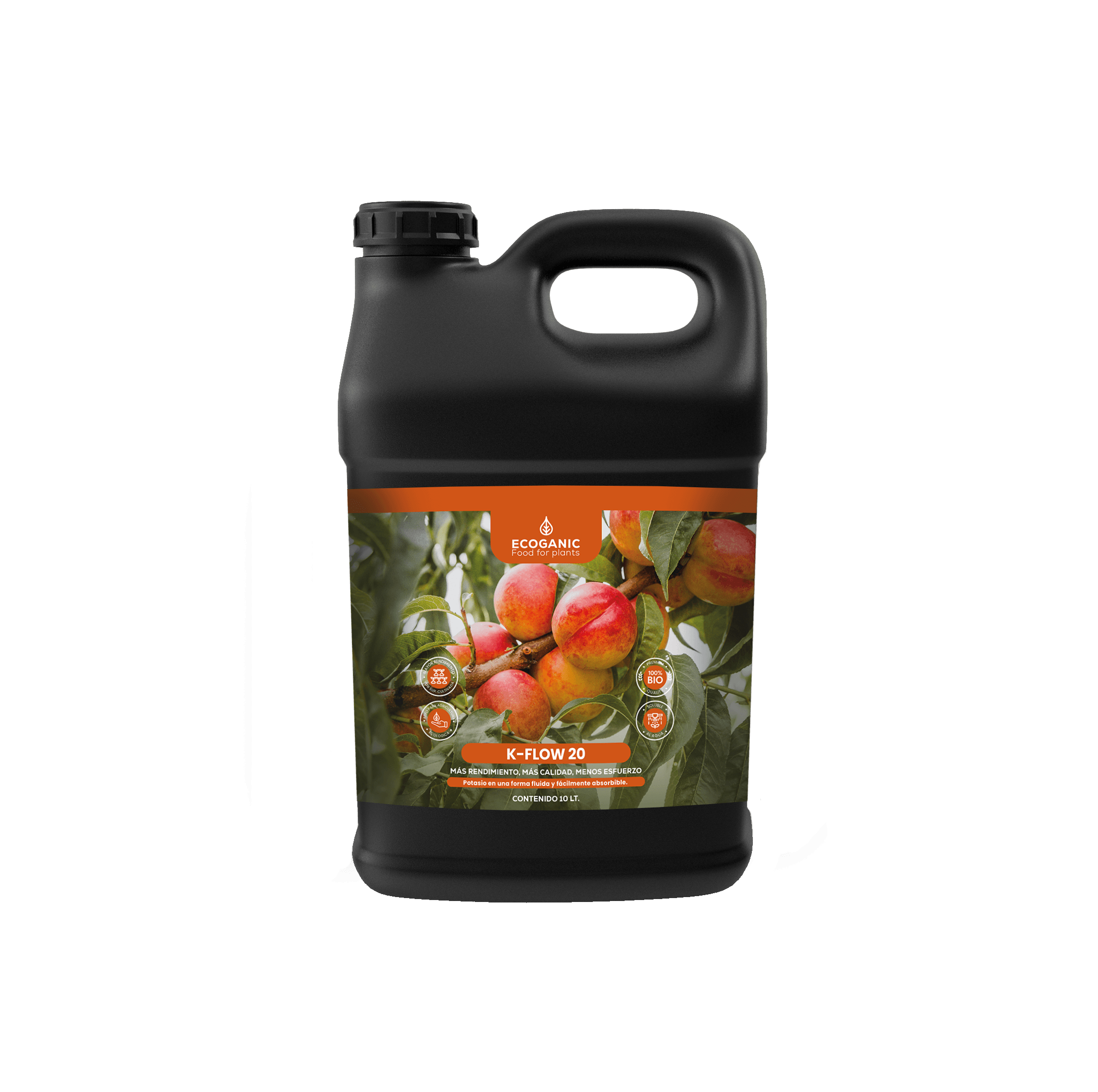
PK-FLOW 20
6 L/ha
Monthly
Promote fruit growth
Maturation
September-October
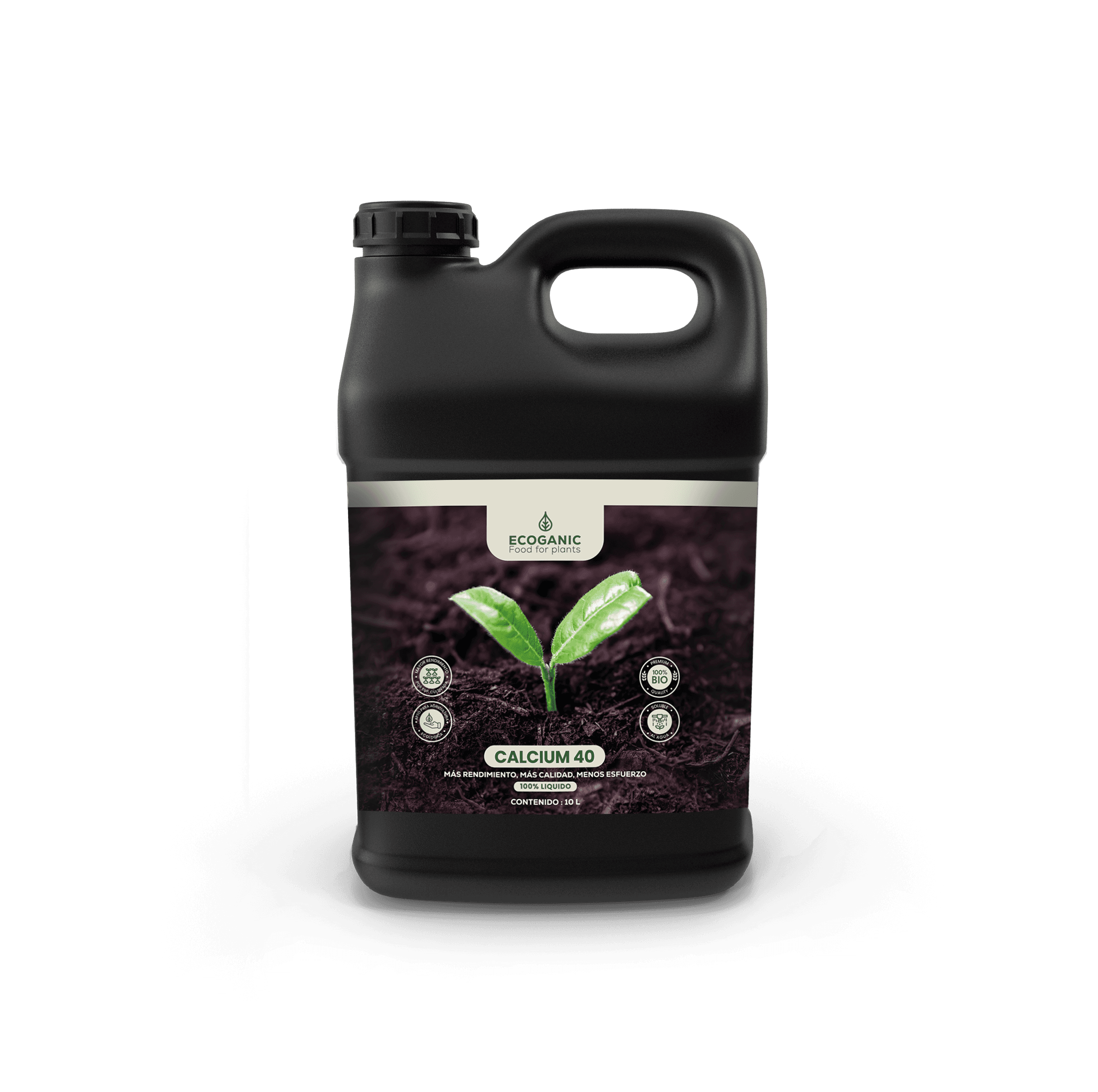
Calcium 40%
5 L/ha
Every 20 days
Strengthen fruit structure
Post-harvest
November
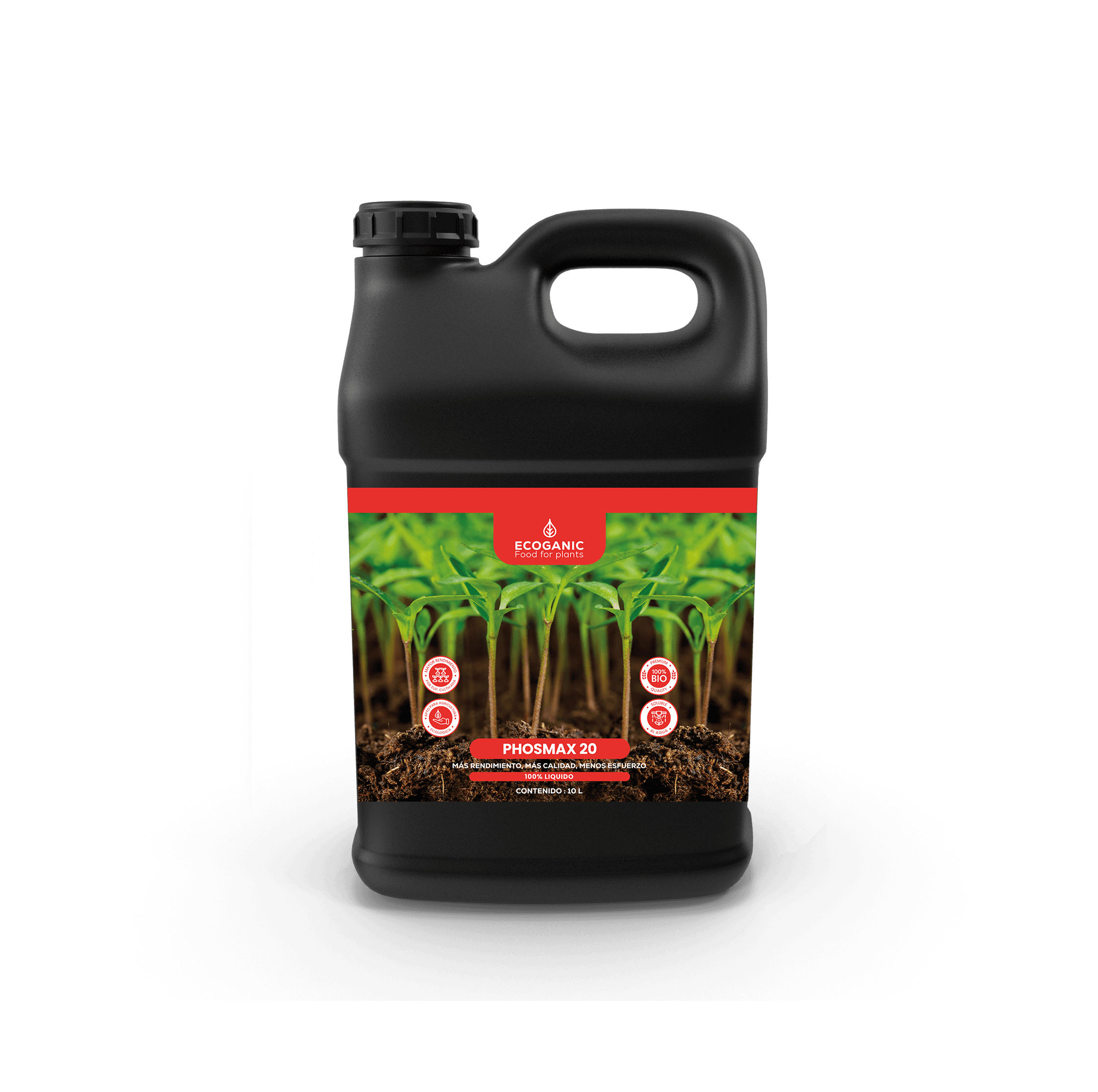
PhosMax 32
4 L/ha
Once
Recover the tree after harvest
Alternate Bearing Treatment
January off year
Fulvex 50S
3 L/ha
Once
Reduce harvest alternation
## Impact on Production and Oil QualityThe use of Ecoganic biostimulants in organic olive cultivation has been shown to increase oil production by 15% to 30% in kg/ha. Additionally, a significant reduction in alternate bearing has been observed, decreasing from 50% to 20-25%, resulting in more stable production year after year.In terms of quality, Ecoganic products increase total polyphenols by 20% to 35%, thereby enhancing the antioxidant properties of the oil. Furthermore, they maintain free acidity below 0.3%, a low peroxide index, and high oxidative stability measured by the Rancimat method. These factors contribute to improving the sensory attributes of EVOO, ensuring a superior quality product.## Reducing Alternate Bearing: The #1 Problem for Olive GrowersAlternate bearing is one of the biggest challenges for olive growers, especially in organic systems. The use of biostimulants during high production years (ON years) helps accumulate energy reserves that favour more balanced yields in low production years (OFF years). Trials conducted in the provinces of Jaén, Córdoba, and Seville have shown that a specific two-year programme can significantly reduce harvest alternation.## Organic Olive Cultivation in the Mediterranean: Areas and CertificationsOrganic olive cultivation in the Mediterranean is prominent in regions such as Jaén, Córdoba, and Seville, which together cover more than 500,000 hectares certified as organic. In Italy, regions like Puglia and Sicily lead production, while in Greece, Crete and Kalamata are key areas. Morocco and Tunisia also have significant organic cultivation areas, such as Marrakech-Safi.Organic extra virgin olive oil is protected by designations of origin (DO) and protected geographical indications (PGI), ensuring its quality and authenticity. These certifications are essential for accessing demanding international markets.## Compatibility with EVOO DO and Organic AgricultureAll Ecoganic products are listed under Regulation (EC) 889/2008, ensuring their compatibility with organic agriculture standards and the requirements of designations of origin such as DO Jaén Selección. This guarantees that oils produced using Ecoganic biostimulants not only meet differentiated quality standards but also maintain complete traceability from field to consumer.## Frequently Asked Questions about Biostimulants for Olive TreesPREGUNTA: ¿Los bioestimulantes Ecoganic reducen la vecería en olivos?
RESPUESTA: Yes, Ecoganic biostimulants are designed to mitigate alternate bearing in olive trees. By promoting the accumulation of energy reserves in high production years, they help stabilise production in low production years. Trials have shown they can reduce harvest alternation from 50% to 20-25%.PREGUNTA: ¿Mejoran los bioestimulantes Ecoganic el rendimiento en grasa del aceite?
RESPUESTA: Yes, Ecoganic biostimulants can improve the oil’s fat yield. They increase polyphenol production and enhance oil quality, resulting in higher fat content and better sensory characteristics.PREGUNTA: ¿Son los productos Ecoganic compatibles con el manejo del repilo en olivos?
RESPUESTA: Ecoganic products are compatible with integrated management strategies to control olive knot. Although they are not fungicides, they enhance plant resistance to stress and promote vigorous growth, which can help reduce disease incidence.PREGUNTA: ¿Cómo contribuyen los bioestimulantes Ecoganic a la calidad del AOVE?
RESPUESTA: Ecoganic biostimulants increase polyphenol and antioxidant levels in olive oil, improving its oxidative stability and sensory attributes. This ensures a high-quality EVOO with low acidity levels and longer shelf life.PREGUNTA: ¿Son los productos Ecoganic adecuados para todas las variedades de olivo?
RESPUESTA: Yes, Ecoganic products are formulated to be effective in all commercial olive varieties, including Picual, Hojiblanca, Arbequina, among others. Their application can be adjusted according to the specific needs of each variety and local climatic conditions.In conclusion, Ecoganic biostimulants offer effective solutions for the challenges of organic olive cultivation, improving both production and oil quality. By integrating into a sustainable management programme, these products not only benefit olive growers but also contribute to environmental sustainability. Feel free to contact us for more information on how our biostimulants can transform your olive cultivation.
Scroll to Top
Hello!
Usamos cookies para asegurar que te damos la mejor experiencia en nuestra web. Si continúas usando este sitio, asumiremos que estás de acuerdo con ello.