Introduction
The strawberry (Fragaria × ananassa), also known as frutilla in countries like Argentina, Chile, and Uruguay, is a high-value crop that demands precision in nutritional and phytosanitary management, especially in organic and ecological production systems. Its sensitivity to stress, high nutrient demand, and susceptibility to soil diseases make an integrated strategy essential.
This program has been designed based on a review of the official Ecoganic product catalog and adjusted according to the physiological needs of the strawberry at each stage of cultivation. The correct combination of biofertilization, biostimulation, and bioprotection maximizes fruit quality and crop profitability without compromising sustainability or international standards for ecological production.
In addition, differentiated strategies are included by agroclimatic zone and regional crop names to ensure international applicability and facilitate SEO positioning.
Additional Saved Links (Ecoganic Protectors and Correctors)
- Ecoganic PHACE (organic NP fertilizer)
- Ecoganic TOTALIN (Tuta absoluta insecticide)
- Ecoganic ACARIN (acarid bioprotector)
- Ecoganic ECOGANIX (airborne disease bioprotector)
- Ecoganic SOILDES (soil disease protection)
- Ecoganic NEMAXIN (organic nematicide)
Why Choose Organic/Ecological Management for Strawberries?
Organic agriculture not only seeks to eliminate chemical residues but also promotes regenerative systems, conserving soil biodiversity, improving the nutritional profile of fruits, and protecting the health of consumers and farmers.
Organic strawberries, when managed correctly, can achieve:
- Match or exceed yields from conventional systems.
- Obtain higher prices in specialized markets.
- Improve the shelf life of the fruit thanks to more balanced nutrition.
The key is to adapt the nutritional plan to each critical phase of the crop, using certified fertilizers and functional biostimulants such as those offered by Ecoganic.
Common Problems in Organic/Ecological Strawberries
| Problem | Main consequence |
|---|---|
| Initial root weakness | Weak plants, poor establishment |
| Water or heat stress | Floral abortions, low fruit set |
| Calcium and potassium deficiency | Soft fruit, without firmness or shelf life |
| Soil diseases | Stand reduction, fruits with malformations |
| N/K imbalance | Deformed fruits, uneven growth |
Ecoganic Strategy: Nutrition + Biostimulation with Unicellular Algae + Bioprotection
Products Used (Verified in Catalog):
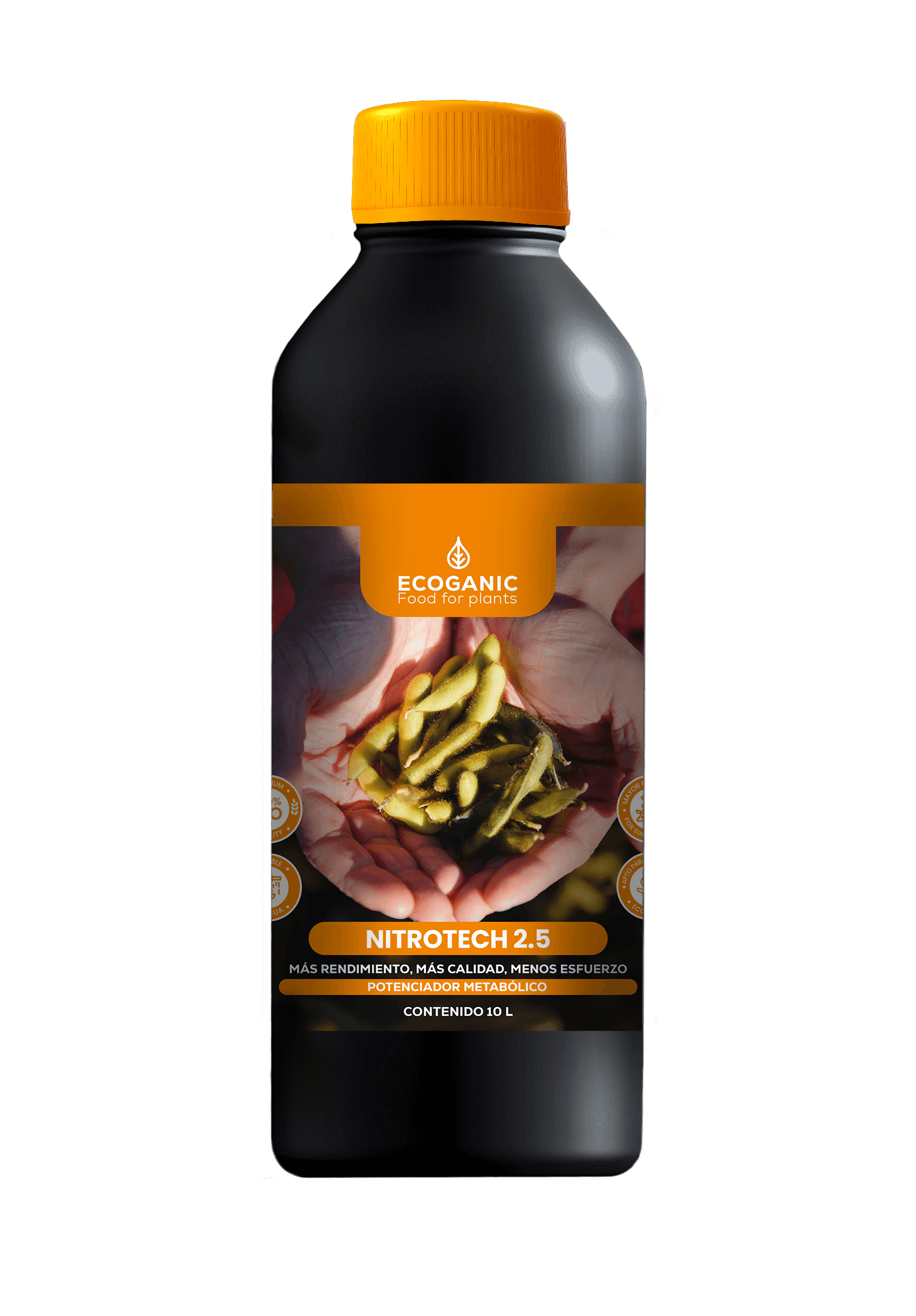
- Ecoganic NITROTECH 16% – Vegetable nitrogen with amino acids.
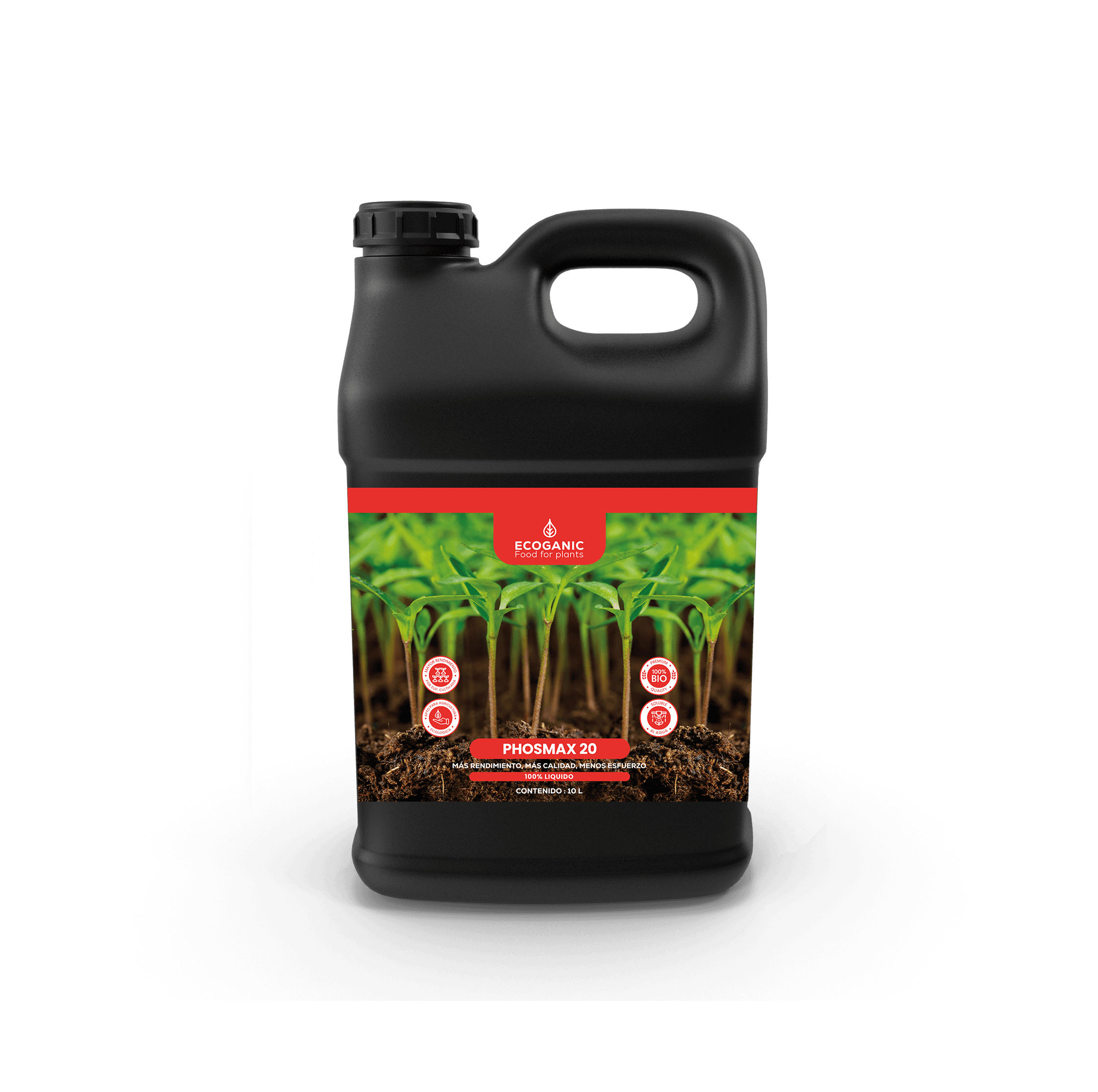
- Ecoganic PK-FLOW 20 – High availability potassium and phosphorus.
- Ecoganic FULVEX 50 S – Fulvic acids, soil unblocking.
- Ecoganic CALCIUM 40 PLUS – Organic calcium for firmness.
- Ecoganic MICRO PLUS – Essential micronutrient complex.
- Ecoganic UNIVERSAL BOOST – Liquid biostimulant based on freshwater unicellular algae.
- Ecoganic TOTALIN – Bioprotector for fungal defense and against Tuta absoluta.
Note: In all cases where liquid fertilizers are used, UNIVERSAL BOOST will be integrated as a cofactor for absorption, physiological activation, and stress tolerance.
Cultivation Program by Phases (Improved)
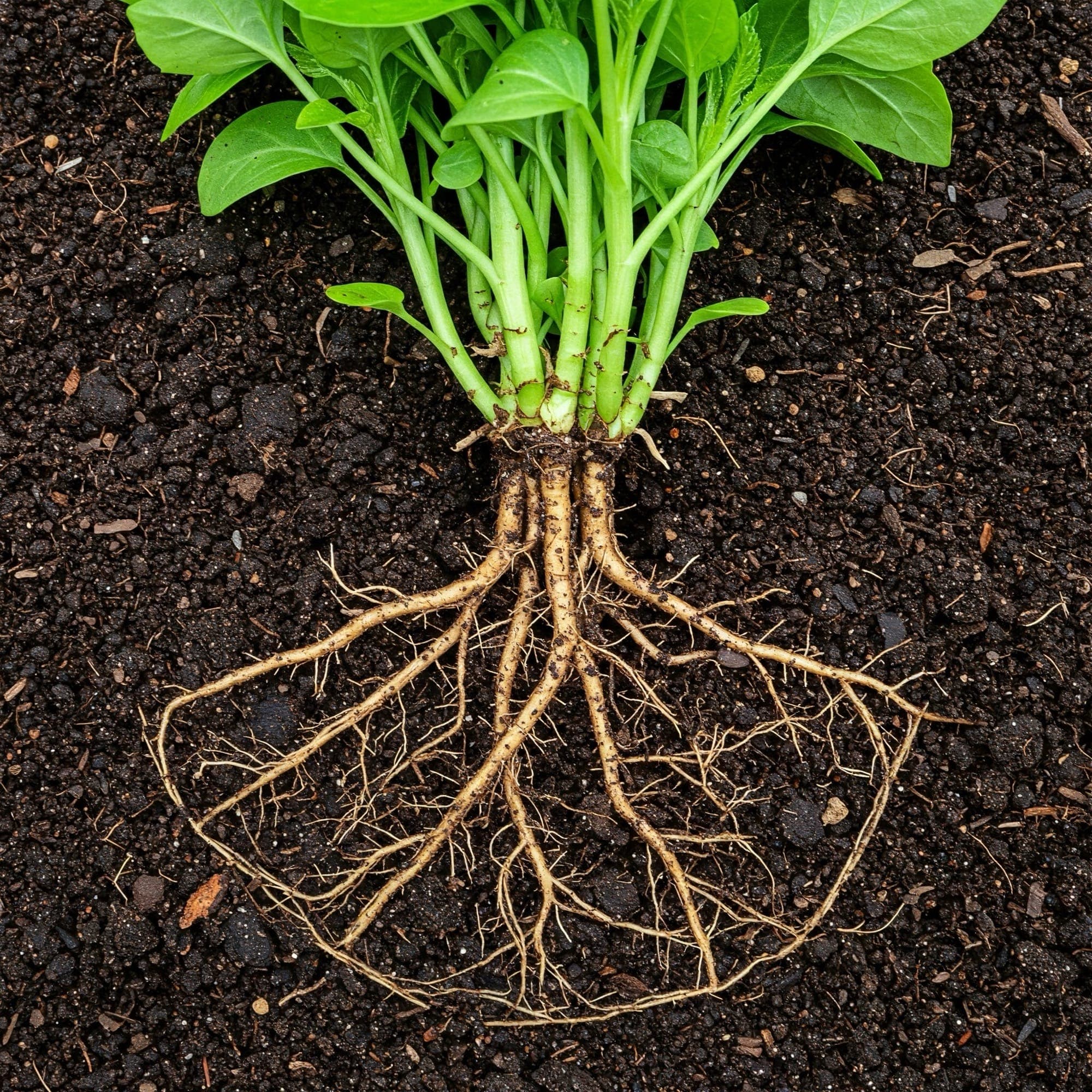
Phase 1: Rooting and Establishment
| Product | Dose | Via | Objective |
|---|---|---|---|
| NITROTECH 16% | 4 L/ha | Fertigation | Vigorous root development |
| FULVEX 50 S | 1 L/ha | Foliar | Soil unblocking, greater absorption |
| UNIVERSAL BOOST | 2 L/ha | Foliar | Bioactivation with unicellular algae |
Phase 2: Vegetative Development
| Product | Dose | Via | Objective |
|---|---|---|---|
| NITROTECH 10% | 3 L/ha | Foliar | Increased balanced foliar mass |
| MICRO PLUS | 1 L/ha | Fertigation | Prevention of latent deficiencies |
| UNIVERSAL BOOST | 2 L/ha | Foliar | Sustained photosynthetic stimulation |
Phase 3: Flowering and Fruit Set
| Product | Dose | Via | Objective |
|---|---|---|---|
| PK-FLOW 20 | 2 L/ha | Foliar | Floral induction and uniform fruit set |
| UNIVERSAL BOOST | 2 L/ha | Foliar | Hormonal regulation and anti-stress |
| TOTALIN | 2 L/ha | Foliar | Natural fungal protection |
Phase 4: Fruit Fattening and Ripening
| Product | Dose | Via | Objective |
|---|---|---|---|
| BALANCE 6-3-18 | 4 kg/ha | Fertigation | Fruit fattening and sugar accumulation |
| CALCIUM 40 PLUS | 2 L/ha | Fertigation | Fruit firmness, post-harvest conservation |
| PK-FLOW 20 | 1.5 L/ha | Foliar | Completion of the cycle with potassium |
| UNIVERSAL BOOST | 2 L/ha | Foliar | Strengthen cuticle and shelf life |
Phase 5: Post-harvest and Regeneration
| Product | Dose | Via | Objective |
|---|---|---|---|
| NITROTECH 2.5 | 3 L/ha | Foliar | Activation of regrowth and regeneration |
| FULVEX 50 S | 1 L/ha | Fertigation | Reactivate microbiota and soil structure |
Adaptation to Cultivation Areas
| Region | Common name | Recommended adjustments |
|---|---|---|
| Spain / Mexico | Fresa | Greater emphasis on flowering and post-harvest phases |
| Argentina / Chile | Frutilla | Intensive rooting with algae and organic P |
| Colombia / Peru | Fresa | Foliar reinforcement with TOTALIN and BOOST in humidity |
Expected Results with Algal Approach
- Increase of more than 20% in top quality fruits.
- Reduction of floral abortions by 30% in adverse climates.
- Significant improvement in sweetness, color, and firmness.
- Greater stability in cold chain and export.
- Reduction of fungal pressure in roots and leaves.