
“`html
Explore the interaction of biostimulants and fertilizers in crops. Improve the efficiency of your sustainable agriculture. Contact us for more information!
Introduction
The interaction of biostimulants and fertilizers is a topic of growing interest in sustainable agriculture. Biostimulants are products that promote plant growth and development through natural mechanisms, while fertilizers provide essential nutrients. Understanding how these two types of products can work together can optimize the health and productivity of crops.
What are biostimulants?
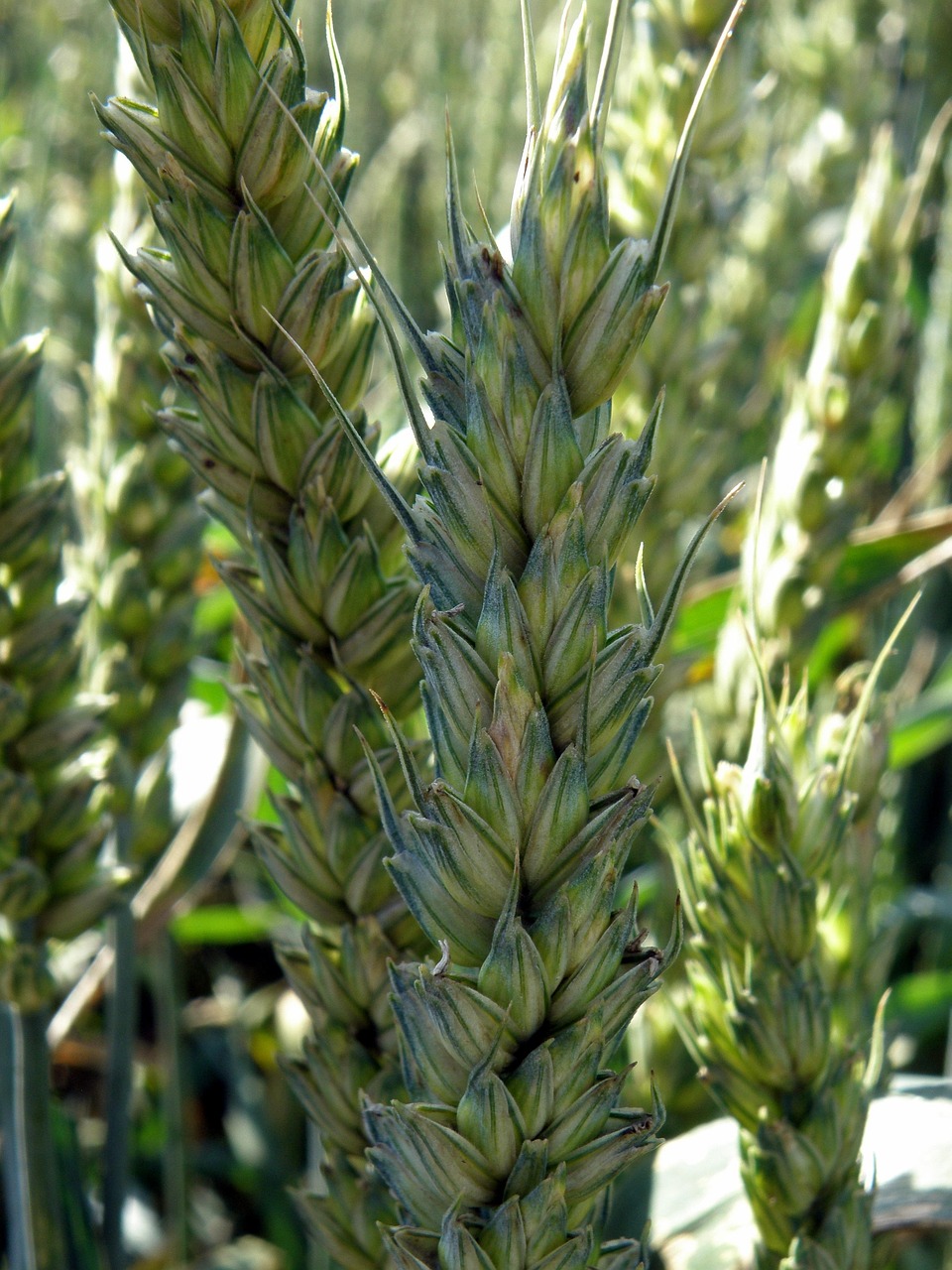
Biostimulants are compounds that stimulate natural processes in plants. These can include extracts from algae, microorganisms, and other organic compounds that enhance the ability of plants to absorb nutrients, resist stress, and improve their development. Their use has expanded in recent years due to the demand for more sustainable agricultural practices. For more information about these products, check our article on what agricultural biostimulants are.
Types of biostimulants
- Beneficial microorganisms: Include bacteria and fungi that improve nutrient availability. For example, species of Rhizobium and Mycorrhizae can increase the absorption of nitrogen and phosphorus, respectively, resulting in more robust plant growth. A study demonstrated that inoculation with Mycorrhizae can increase phosphorus absorption efficiency by 50%.
- Plant extracts: Such as those from algae, which provide plant hormones and bioactive compounds. One of the most well-known examples is the extract of Sargassum, which has been shown to increase the activity of enzymes that facilitate nutrient absorption under stress conditions. Studies have indicated that these extracts can enhance the activity of the enzyme nitrate reductase, improving nitrogen assimilation.
- Organic compounds: Substances that favor the biological activity of the soil. Humic and fulvic acids, derived from the decomposition of organic matter, can improve soil structure and increase water and nutrient retention. Research has shown that the application of humic acids can increase the soil’s water retention capacity by 20%.
Interaction between biostimulants and fertilizers
The interaction between biostimulants and fertilizers can be positive if understood correctly. While fertilizers provide the necessary nutrients for growth, biostimulants can enhance the absorption of these nutrients by plants.
Effective synergies
Biostimulants can increase the effectiveness of fertilizers, allowing for a reduction in the applied doses. This not only contributes to sustainability but can also reduce costs for farmers. For example, a study conducted on corn crops showed that the combination of a biostimulant based on algae extracts with a reduced dose of nitrogen fertilizer increased crop yield by 15% compared to the exclusive use of fertilizers. This type of synergy translates into significant savings on inputs, which is crucial for crop profitability.
Interaction mechanisms
The mechanisms through which biostimulants interact with fertilizers are diverse. One of the most important mechanisms is the enhancement of microbial activity in the soil. Biostimulants can promote the proliferation of beneficial microorganisms that decompose organic matter and release nutrients in forms easily assimilable by plants. For example, the use of Trichoderma harzianum has shown a remarkable ability to increase phosphorus release in soils containing phosphate fertilizers. Studies indicate that the combination of Trichoderma and fertilizers can increase phosphorus availability by 40%.
Regulation of hormonal response
Biostimulants can also influence the regulation of plant hormones, which in turn affects the plants’ response to fertilizers. For example, extracts from algae can increase the production of auxins and cytokinins, which are hormones that promote root growth. This can result in a more developed root system that enhances nutrient absorption. A study found that the application of an algae-based biostimulant increased root production by 30%, resulting in better absorption of nutrients such as nitrogen and phosphorus.
Benefits of synergy
Integrating biostimulants and fertilizers into agronomic management can offer multiple benefits:
- Improvement of nutrient absorption: Biostimulants can facilitate the availability of nutrients in the soil. A study in tomato crops demonstrated that the application of an amino acid-based biostimulant increased nitrogen absorption by 30% compared to treatments without biostimulants. Additionally, the combination of biostimulants with fertilizers can optimize resource use, allowing farmers to use fewer inputs to achieve similar or better results. For more details on the differences and advantages, check our article on biostimulants vs fertilizers differences. It is also important to stay informed about the regulation of biostimulants in Europe.
- Increased stress resistance: Plants treated with biostimulants often have better tolerance to adverse conditions, such as droughts or extreme temperatures. For example, under water stress conditions, the use of biostimulants can activate defense mechanisms in plants, such as the production of osmoprotectants that help maintain water balance. A trial in onion crops showed that plants treated with biostimulants exhibited 25% less wilting under drought conditions compared to untreated ones. These effects are due to the activation of genes related to the synthesis of heat shock proteins and the accumulation of
“`