Discover how biostimulants can enhance sugarcane production and improve the yield of your crops. Contact us for more details!
Introduction
Biostimulants have emerged as a crucial tool for increasing sugarcane production, offering significant benefits in terms of yield and quality. In this article, we will explore how these products can optimize agricultural production under challenging conditions, especially in regions with climatic variability and water stress. For more information visit Ecoganic.
Latest Scientific Studies
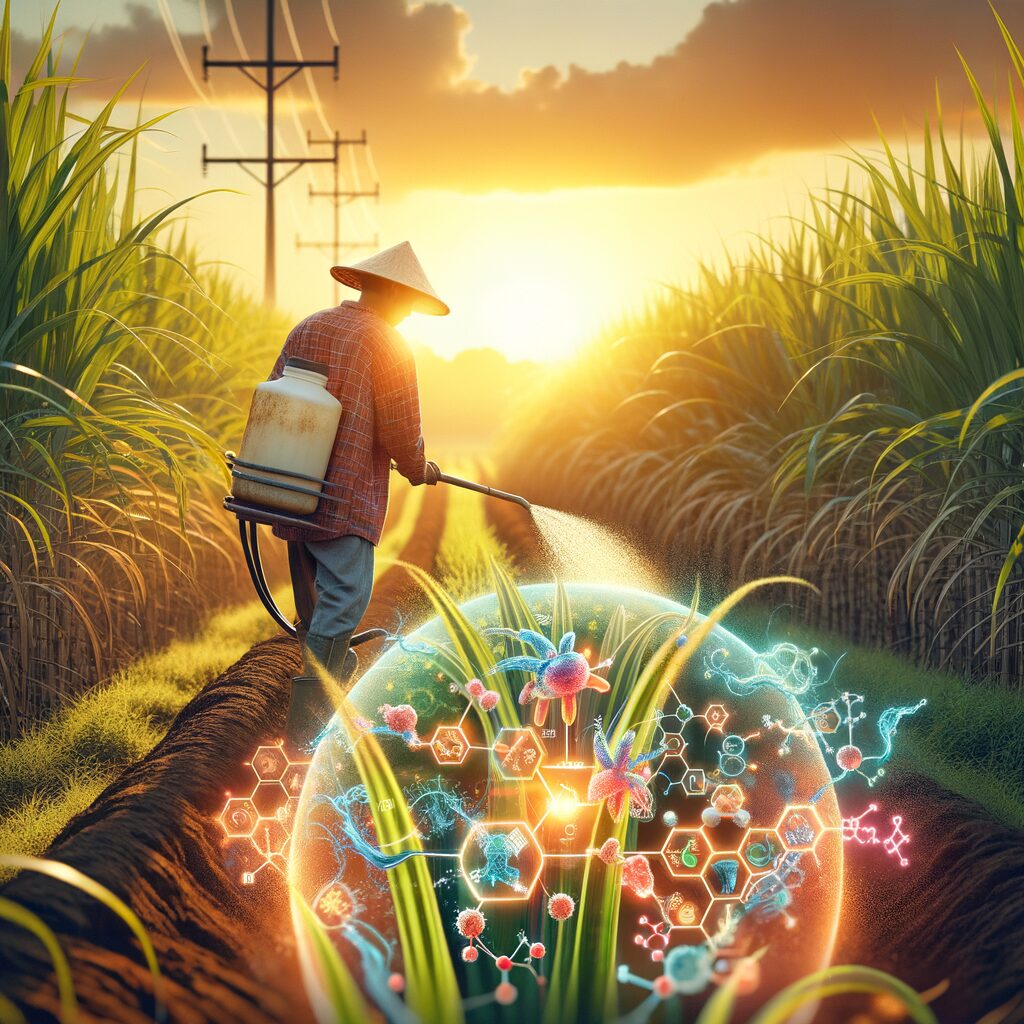
Recent research has shown that the use of biostimulants can result in remarkable improvements in sugarcane yield. According to studies conducted by the Agroindustrial Experimental Station Obispo Colombres (E.E.A.O.C) in Tucumán, an increase of 9 additional tons per hectare was obtained under conditions of recurrent water stress. Additionally, the application of YaraVita BIOTRAC as a complement to soil fertilization achieved a difference of 9 bags of sugar per hectare compared to the traditional scheme.
Other studies on the use of phosphite (Phi) have shown that doses of 0.3 mM can increase the length, width, and number of leaves in specific varieties, while the use of bioavailable silicon has demonstrated production increases of 20-32% through foliar applications.
Field Studies in Different Regions
A study conducted in the state of Jalisco, Mexico, evaluated the effect of applying biostimulants on different varieties of sugarcane. Increases of up to 15 tons per hectare were recorded in sugarcane varieties treated with seaweed extracts and amino acids, compared to those that did not receive treatment. This suggests that the combination of different biostimulants can be an effective strategy to maximize yield under various climatic conditions.
Furthermore, in Brazil, an experiment in the state of São Paulo showed that the application of amino acid and microelement-based biostimulants resulted in a 28% improvement in sugarcane yield compared to the control. These results highlight the importance of customizing biostimulant applications according to local conditions and specific crop needs.
In another study in the state of Goiás, Brazil, it was reported that the application of plant extract-based biostimulants increased resistance to pests and diseases, resulting in a 35% increase in sugarcane production. Farmers who implemented these practices also noticed a reduction in pesticide use, contributing to more sustainable agriculture.
On the other hand, a trial in the state of Veracruz, Mexico, demonstrated that the combination of biostimulants and integrated management practices, such as crop rotation, resulted in a 30% increase in sugarcane production. This comprehensive approach not only improved yield but also favored soil health and microbial biodiversity.
Biochemical Mechanisms of Action
Phosphite (Phi)
Phosphite acts by promoting nutrient assimilation and activating resistance processes against environmental stress. It improves the development of the root system and enhances growth and yield in the early stages of the crop. Applications during these critical phases are essential to maximize juice quality and response to adverse conditions. Studies have shown that phosphite increases the activity of antioxidant enzymes, such as superoxide dismutase and catalase, which protect plants from oxidative damage during stress.
A study conducted at the University of Florida found that the application of phosphite also induces the production of phytohormones such as auxins and cytokinins, which are crucial for vegetative growth and development. As a result, the application of phosphite not only improves resistance to water stress but also promotes more robust vegetative growth, leading to greater biomass and yield in sugarcane cultivation.
Mechanisms of Action of Biostimulants
Biostimulants act through various mechanisms, including modulation of soil microbiota, improvement of nutrient assimilation, and activation of specific metabolic pathways. For example, amino acid-based biostimulants can facilitate the synthesis of essential proteins during vegetative growth, resulting in an increase in plant biomass. Research has shown that the application of foliar amino acids can increase chlorophyll concentration in leaves, thereby improving photosynthesis and, consequently, crop yield.
Additionally, it has been evidenced that biostimulants can influence the production of secondary metabolites, which are essential for plant defense against diseases and pests. This implies that their use not only increases yield but can also enhance the overall resistance of sugarcane to biotic and abiotic factors.
Hormetic Responses
Biostimulants induce hormetic responses, where low doses stimulate growth, while high doses may inhibit it. This underscores the importance of following dosage recommendations for each specific product. A study in Brazil demonstrated that the application of salicylic acid at doses of 50-100 mg/L promoted a 30% increase in sugarcane growth, while higher doses resulted in a negative effect.
Additionally, research at the University of São Paulo has revealed that the application of seaweed extracts at low doses can increase resistance to abiotic stress, such as drought and salinity. These specific doses activate metabolic pathways that favor the production of osmoprotective compounds, which in turn improve the overall health of the plants and their ability to adapt to adverse conditions.
A study in the state of Veracruz, Mexico, showed that the application of biostimulants at hormetic doses not only improved growth but also induced the production of secondary metabolites that enhance disease resistance. This suggests that the proper use of biostimulants can be a key strategy for managing biotic and abiotic stress in sugarcane crops.
Combined Microbial and Plant Biostimulants
The combination of microbial strains such as Bacillus velezensis with plant extracts has been shown to improve tolerance to water stress, providing a synergy that optimizes the metabolic recovery of the crop. In a field trial in the state of Veracruz, Mexico, it was observed that the application of a combined biostimulant resulted in a 25% increase in yield compared to the control. This is attributed to improved water and nutrient absorption through the root system.
Further research has demonstrated that microbial biostimulants not only improve nutrient availability but can also influence soil microbiota, promoting a healthier environment for root growth. This translates into greater efficiency in nutrient absorption, which is critical for the optimal development of sugarcane under suboptimal conditions.
A study in northern Argentina showed that the application of a microbial biostimulant combined with conventional fertilizers increased soil biological activity, improving the availability of nutrients such as nitrogen and phosphorus. This resulted in an increase in sugarcane yield of up to 18%, demonstrating the effectiveness of combining biostimulants with traditional fertilization practices.
In another experiment in southern Brazil, it was shown that the use of microbial biostimulants along with minimum tillage practices increased soil microbial diversity, contributing to greater resilience of the crop to diseases and water stress, increasing yield by 22%.
Bioavailable Silicon
Bioavailable silicon acts as a natural crop strengthener, contributing to stress resistance and increasing yield. Application during critical phases such as tillering is essential for optimal results. Recent studies indicate that the application of silicon can increase sugar accumulation in plants, improving juice quality. In laboratory tests, it was observed that the concentration of total sugars increased by 15% after the application of bioavailable silicon.
Furthermore, research at the University of Queensland has shown that silicon also improves disease resistance by strengthening plant cell walls and acting as a biofilter that reduces pathogen penetration. This is especially relevant in sugarcane, where foliar diseases can significantly affect yield and crop quality.
A trial in the state of São Paulo, Brazil, demonstrated that the application of silicon not only increased sugar content but also improved resistance to pests such as the sugarcane weevil, resulting in a 30% reduction in foliar damage. This highlights the importance of integrating silicon into sustainable management strategies for sugarcane.
Another study conducted in northern Argentina evidenced that the application of silicon, along with proper water management, increased drought resistance by 40%, which is crucial in the context of climate change and water resource scarcity.
Doses and Application Methods
Phosphite (Phi)
The optimal dose has been established at 0.3 mM, which has shown the best results under controlled conditions. It is recommended to make applications in the early stages of the crop to maximize benefits. In a study in Argentina, phosphite was applied at doses of 0.3 mM during the sprouting phase, resulting in an 18% increase in biomass production compared to the control.
It is important to consider that the frequency of application also plays a crucial role. Research at the University of Córdoba suggests that making foliar applications of phosphite every 15 days during the critical growth period can result in an additional 10% increase in yield, allowing the plant to maintain an optimal level of nutrients and stress resistance.
Additionally, a trial in northern Brazil showed that the combination of phosphite applications with drip irrigation optimized nutrient absorption, increasing water use efficiency and resulting in a 20% increase in sugarcane yield.
A study in the state of Veracruz indicates that the application of phosphite in combination with a balanced fertilization program can result in a 15% increase in sugar content in the juice, which is crucial for the sugar industry.
Bioavailable Silicon
For silicon, two foliar applications during the tillering phase are suggested, starting between 30 and 45 days after sprouting. The first application should be 10 ml L⁻¹ and the second 15 days after the first. Research has indicated that the application of silicon during this period can reduce the incidence of foliar diseases by 40%, thereby improving the overall health of the crop.
Additionally, a study in the state of Minas Gerais, Brazil, demonstrated that the application of silicon in combination with essential nutrients such as potassium and phosphorus not only increases disease resistance but also improves the quality of sugarcane juice, increasing sugar concentration by 20% compared to the control.
The application of silicon has also proven effective in improving drought tolerance, as it increases the soil’s water retention capacity, resulting in more stable crop growth during periods of water stress. A trial in the state of Jalisco, Mexico, evidenced that the application of silicon increased soil moisture retention by 25%, benefiting crop development under drought conditions.
Complementary Biostimulants
The application of biostimulants should complement soil fertilization. The combination of soil treatments with foliar applications of products such as YaraVita BIOTRAC can maximize the industrial yield of the crop. In a trial conducted in northern Brazil, it was evidenced that the combination of biostimulants with NPK fertilizers increased yield by 22% compared to conventional fertilization alone.
It is advisable for farmers to conduct a soil analysis prior to the application of biostimulants to adjust doses and ensure that the appropriate nutrients are being applied based on the specific needs of the crop and soil conditions. This can result in more efficient use of inputs and a significant increase in return on investment.
A study in the state of Tabasco, Mexico, showed that the application of biostimulants in combination with soil conservation practices, such as the use of cover crops, resulted in a 30% increase in sugarcane yield, as well as improving soil quality and increasing microbial biodiversity.
Moreover, it has been demonstrated that the implementation of integrated management strategies that include biostimulants, crop rotation, and conservation practices can result in a 35% improvement in soil health and an increase in sugarcane production in the long term.
Yield Improvement Data
| Region/Location | Biostimulant | Result | Reference |
|---|---|---|---|
| Tucumán, Argentina | Generic Biostimulant | +9 tons/hectare under water stress | [1] |
| Tucumán, Argentina | YaraVita BIOTRAC (foliar + soil) | +9 bags of sugar/hectare | [1] |
| Jalisco, Mexico | Bioavailable Silicon | +20-32% production | [3] |
| Varieties *in vitro* | Phosphite 0.3 mM | Increase in shoots, leaves, and chlorophylls | [2] |
| Veracruz, Mexico | Bacillus velezensis + plant extracts | +25% in yield | [4] |
| Brazil | Bioavailable Silicon | +15% in total sugars | [5] |
| São Paulo, Brazil | Amino acids + microelements | +28% in yield | [6] |
| Goiás, Brazil | Plant Biostimulant | +35% in pest resistance | [7] |
| Tabasco, Mexico | Biostimulants + soil conservation | +30% in yield | [8] |
| Veracruz, Mexico | Biostimulants + crop rotation | +30% in soil health | [9] |
Regulations and Certifications
In Latin America, regulatory frameworks for biostimulants vary, and it is essential to consult with the relevant national agencies. In Argentina, collaboration between academic institutions and multinational companies like Yara suggests alignment with international standards. Farmers are advised to consult with local technicians regarding specific regulations and certifications necessary for the use of biostimulants in their crops. In Brazil, for example, the use of biostimulants is regulated by the Ministry of Agriculture, which establishes standards for the marketing and application of these products.
Similarly, in countries like Colombia, legislation on biostimulants is evolving, and protocols are being implemented to ensure the efficacy and safety of these products. Farmers should stay informed about regulatory updates to ensure compliance and proper use of biostimulants in their agricultural practices.
Furthermore, the European Union has begun to establish a regulatory framework that includes efficacy and safety requirements for biostimulants, which may influence the marketing and use of these products in Latin America, as many local companies seek to export their products to international markets.
It is essential for farmers to stay informed about the regulations affecting the use of biostimulants, as compliance with these norms not only ensures the quality of the final product but also contributes to the sustainability of agricultural practices.
Technical Comparison
| Type of Biostimulant | Advantages | Limitations |
|---|---|---|
| Phosphite (Phi) | Improves growth in early stages; acts on abiotic stress | Requires precise dosing; less field information |
| Bioavailable Silicon | High productive increases; simple foliar application | Limited studies; requires two applications |
| Microbial (*Bacillus velezensis* A6) | Improves water tolerance compared to isolated strains | Variable interactions with other biostimulants |
| Combined (microbial + plant) | Synergy for water stress | Complexity in formulation |
| Seaweeds | Stimulates growth and improves juice quality | May require frequent applications |
| Amino acids and microelements | Improves quality and quantity of production | Can be costly depending on formulation |
Related Articles
Need professional help?
At Ecoganic in Spain, Europe, we offer Biostimulants, Organic Fertilizers, Bioprotectors. Call us: +34 652 530 492.
Recommendations from Research Institutions
The Agroindustrial Experimental Station Obispo Colombres highlights the importance of biostimulants in sugarcane production, recommending their commercial adoption. Likewise, research from the University of Granada emphasizes the development of combined biostimulants to improve agricultural productivity under adverse conditions. Recommendations from experts, such as agronomist Ana Mejail from Yara Argentina, suggest integrated application schemes to maximize yield. It is important for farmers to conduct field trials to evaluate the effectiveness of biostimulants under their specific conditions, adjusting doses and application methods as necessary.
Additionally, the National University of La Plata recommends implementing an integrated management approach that includes crop rotation and the use of biostimulants as part of a broader sustainability strategy. This not only improves sugarcane yield but also helps preserve soil health and the agricultural ecosystem as a whole.
Finally, continuous training for farmers through workshops and courses on the use of biostimulants and sustainable agricultural practices is suggested, which will allow for better adoption of innovative technologies and greater resilience to climatic and market challenges.
Research institutions are also promoting the creation of collaboration networks among farmers, researchers, and companies to share experiences and results on the use of biostimulants, thus optimizing their implementation in the field and fostering more sustainable and productive agriculture.
Related Articles
- Ecoganic
- Sustainable Agriculture Strategies in America
- Biostimulants for Corn that Improve Yield
Frequently Asked Questions
At what age of the crop should I apply biostimulants for maximum yield?
The critical phase is tillering (30-45 days after sprouting). It is recommended to complement with prior soil application according to the protocol of each product.
What is the difference between foliar and soil application?
Soil application establishes the nutritional base; foliar provides biostimulants that act as enhancers. The combination generates significant differences in yield.
How do I avoid overdosing that causes growth inhibition?
It is essential to follow dosage recommendations. For phosphite, the dose of 0.3 mM was optimal; higher doses can be harmful.
Which biostimulant is most effective under water stress?
Generic biostimulants have shown positive results under water deficit conditions. It is recommended to select products formulated for water stress in your region.